
2021-12
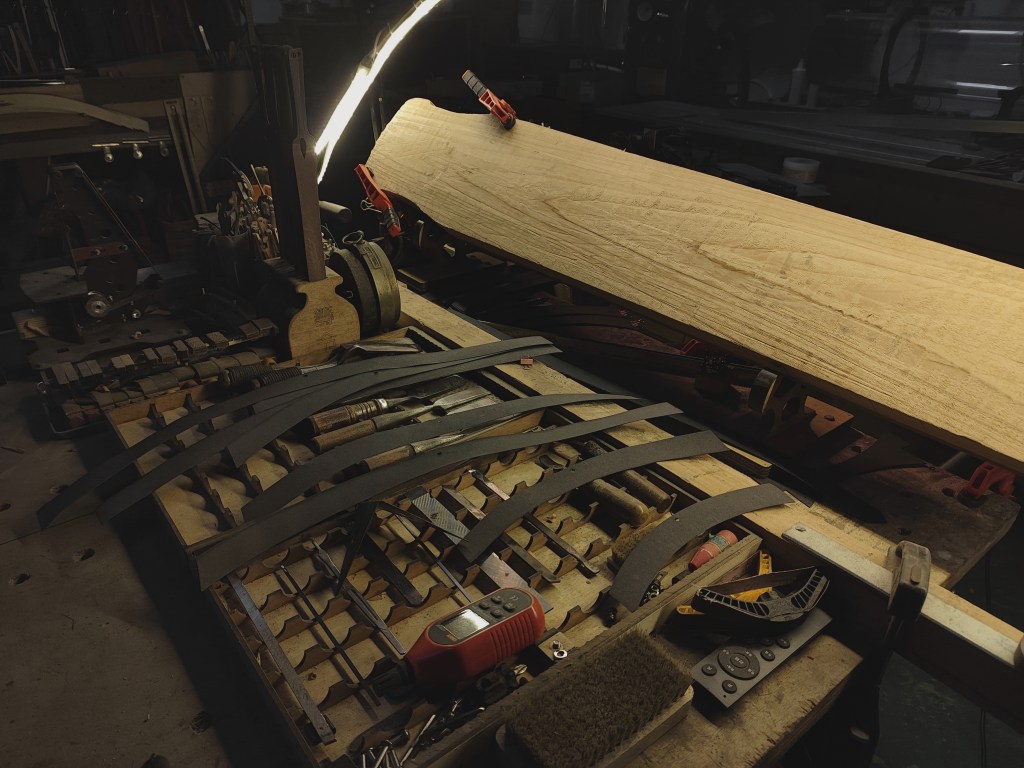
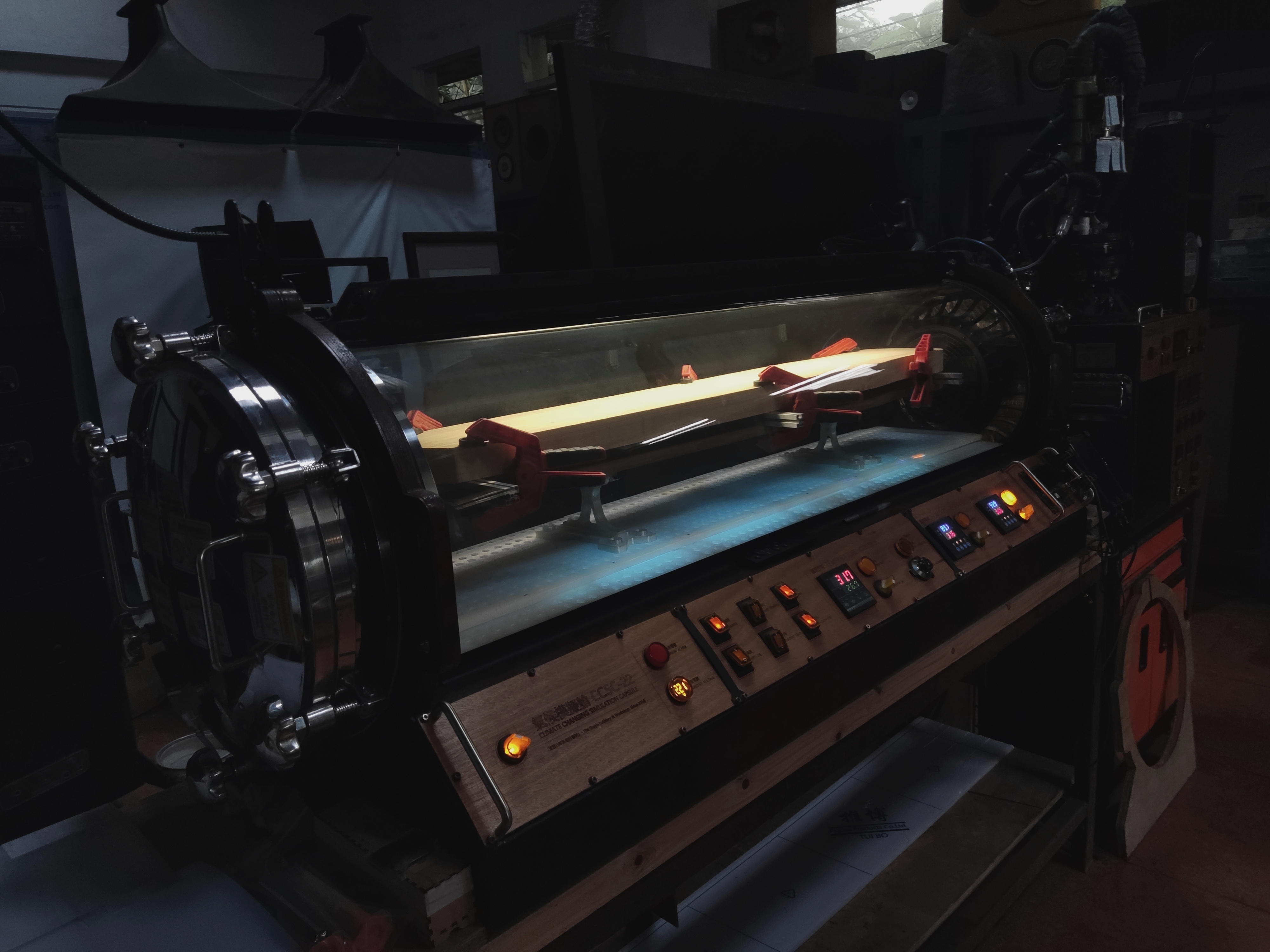
備料-選料
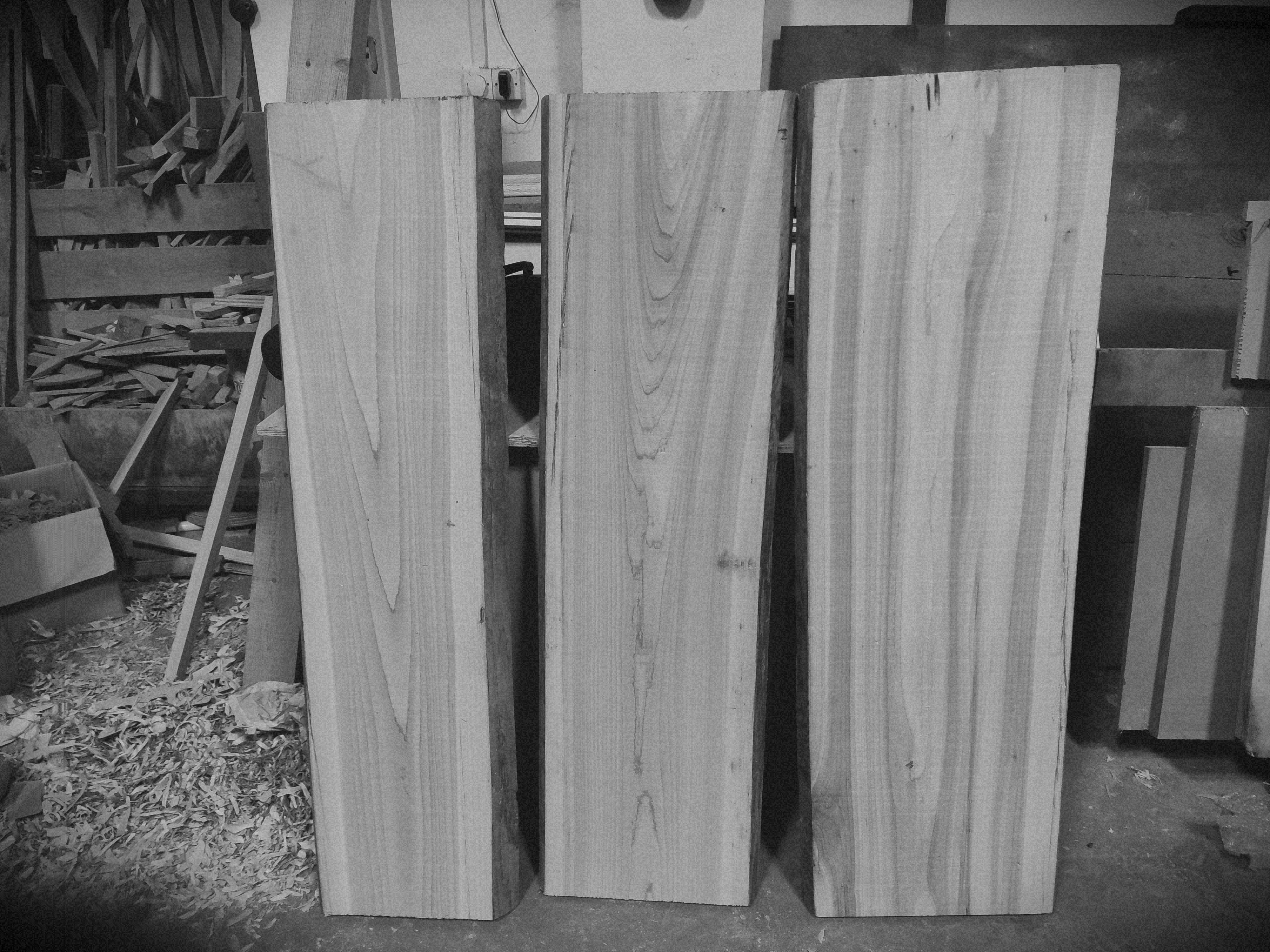
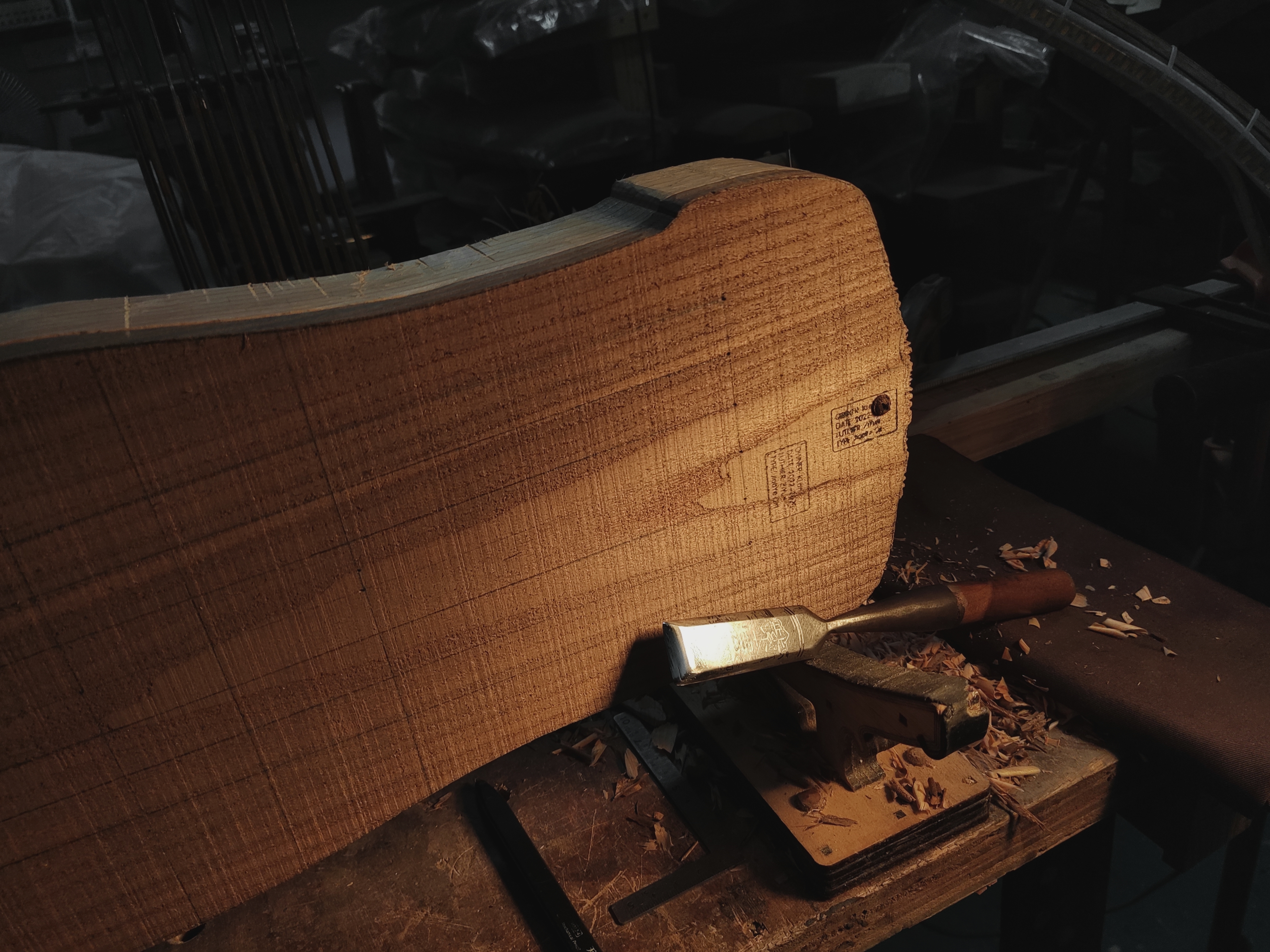
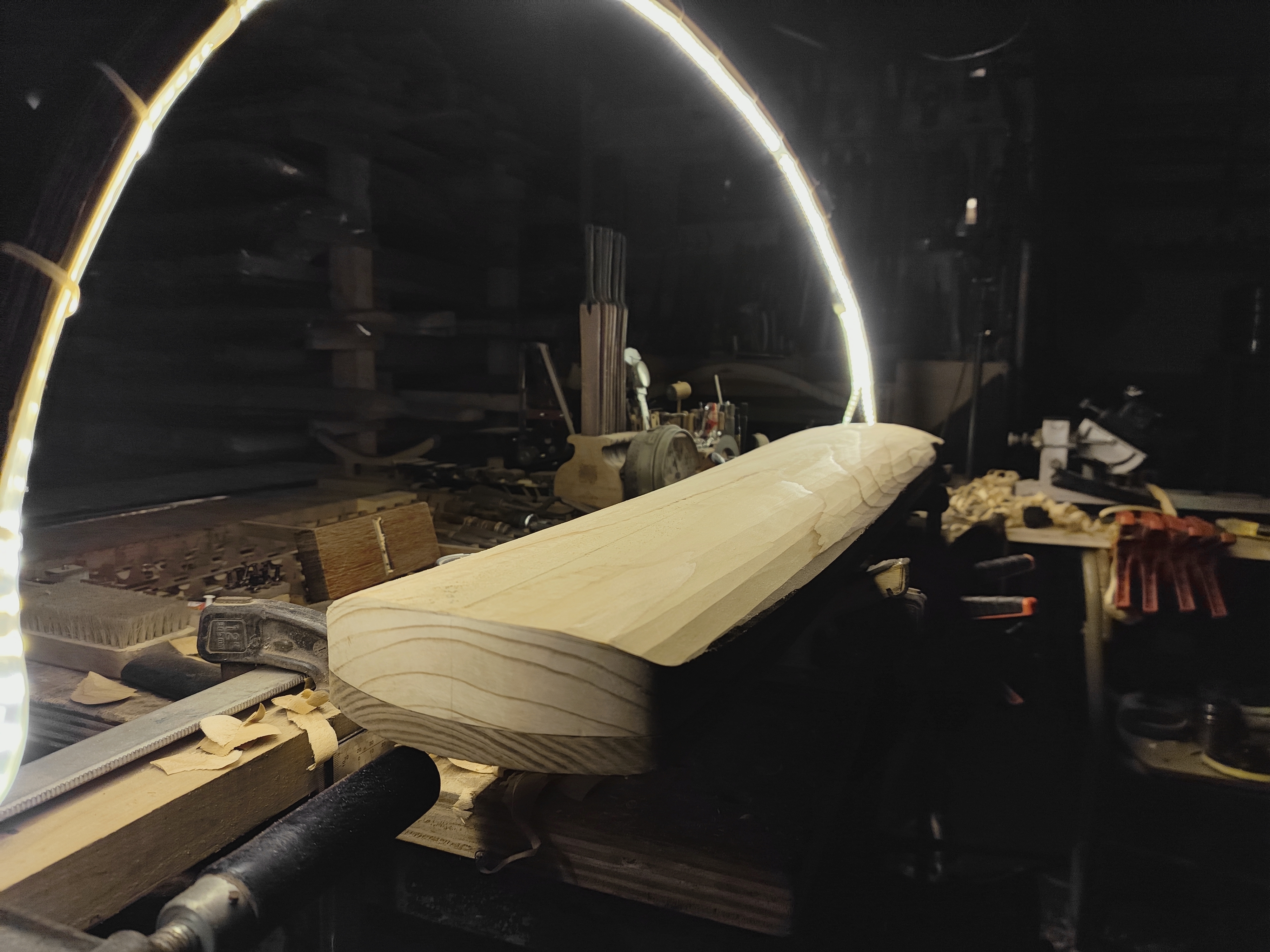
“木直中繩,輮以為輪,其曲中規…-《勸學篇》”。雖料無完料,但仍可在樹木成材後進行適宜的裁切從而取得最佳的使用範圍,尤其側重於避開蟲眼、結節、裂縫等。在木材切割後儘量取其軸心對稱,為跟著下來的琴體構圖以及內部結構佈局提供最佳的設計範圍。
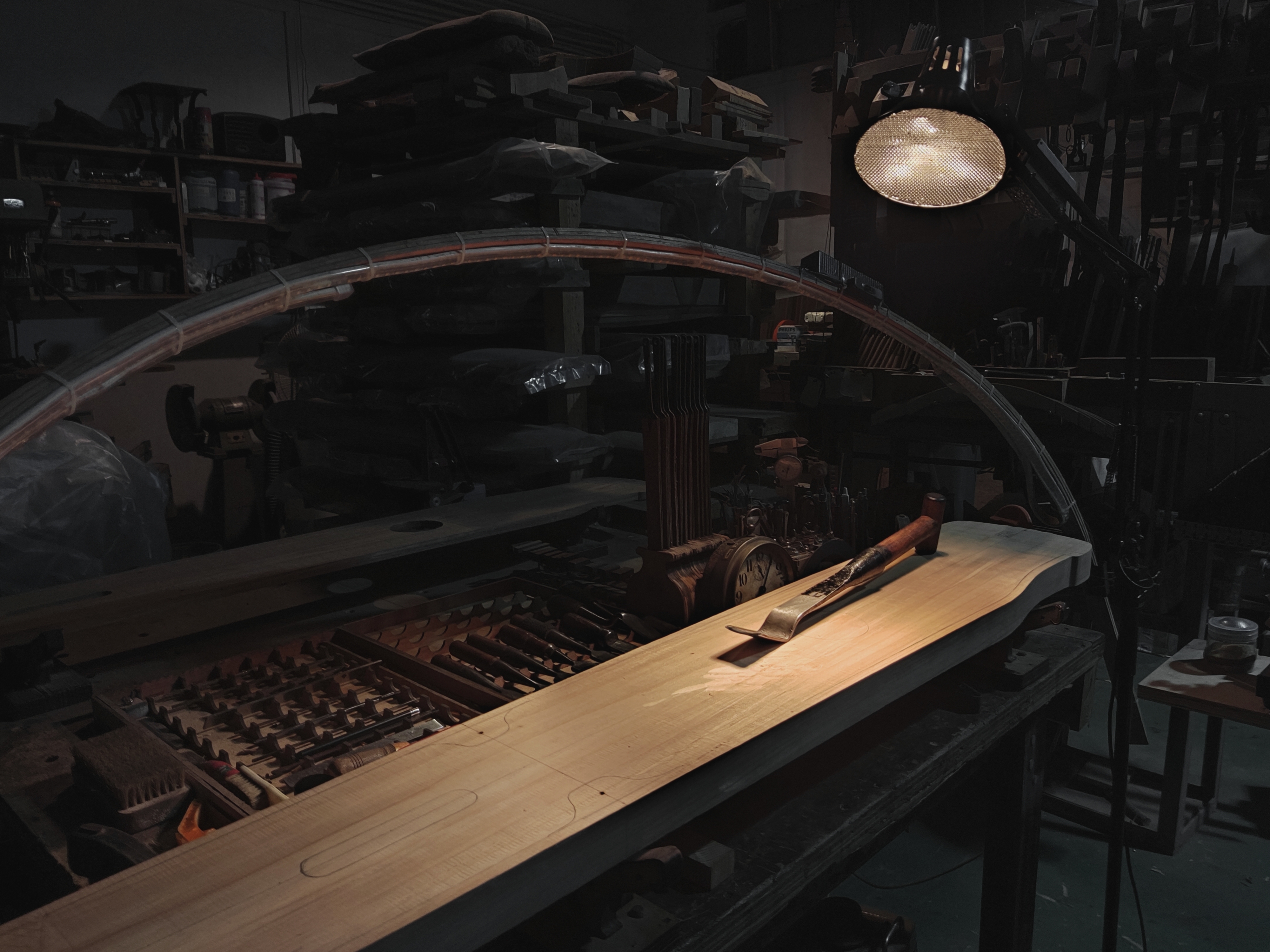
通常在木料篩選及裁切期間會適當使用小木槌進行敲擊,藉鑒其敲擊聲對各部位以及深層進行快速診斷,藉此避免其取材有暗裂存在。並同時在多塊組合中交叉篩選出彼此匹配的音板選材。
敲擊板材的做法,主要以聽力以及經驗性判斷作為依據,例如其敲擊木材所發出的輕重浮沉之大致音色。雖然這種經驗性的感知和感情一樣難以用量作爲衡量,但至少可在多選情況下篩選出最適配的板材,而至於其他的板材則作為後備以及長久老化貯存。
Woods prepare-selection
“Wood can be trimmed to straighten with reference by the straighten rope, or curl to wheel shape by thermal treatment, to fit by circular arc criterion…" – Ancient Chinese Prose “Encouragement to Learn". Although the wood are not perfect, it can usually be cut ingeniously obtain the best range of use, especially emphasized to avoiding insect holes, nodules, cracks, etc. After the wood cutting, try to take its axial symmetry as much as possible, so as to provide the best range of the plane composition and the layout of the internal structure designing for Guqin.
Usually, a small wooden mallet is used for tap-scanning, during the woods matching and cutting, and the tapping-sound is used for rapid diagnose various sections and deep layers, so as to avoid the potential cracks in the cutting materials. And at the same time, Cross-comparison of soundboards that match each other in the multi combination.
The method of the board tapping is mainly based on hearing and empirical judgments, such as the general tone of the light and heavy or ups and downs produced by tapping. Although this kind of experiential perception as difficult to measure as emotion, at least the most suitable board can be quickly screened out under multiple selections, then other boards are stored as backup and long-term aging.
2022-04-04/08-29
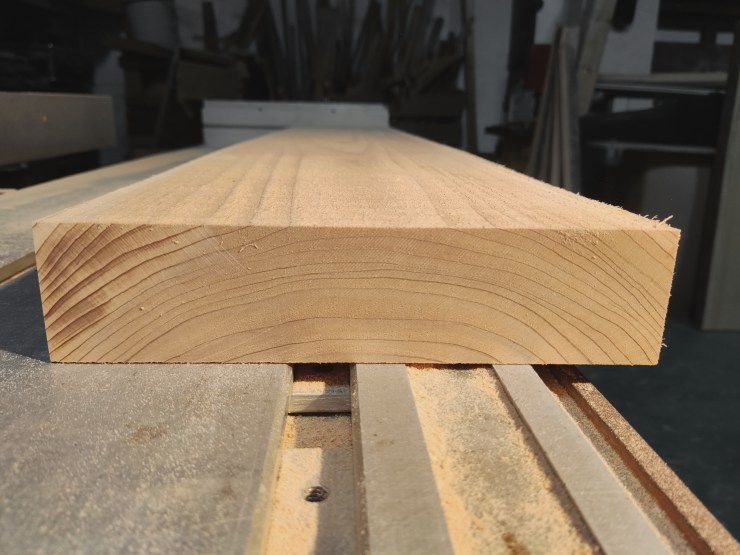
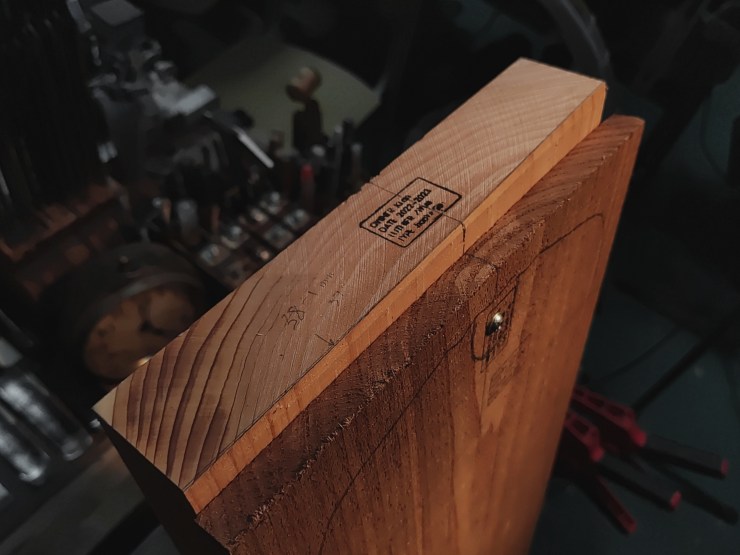
平面構圖與琴型切割
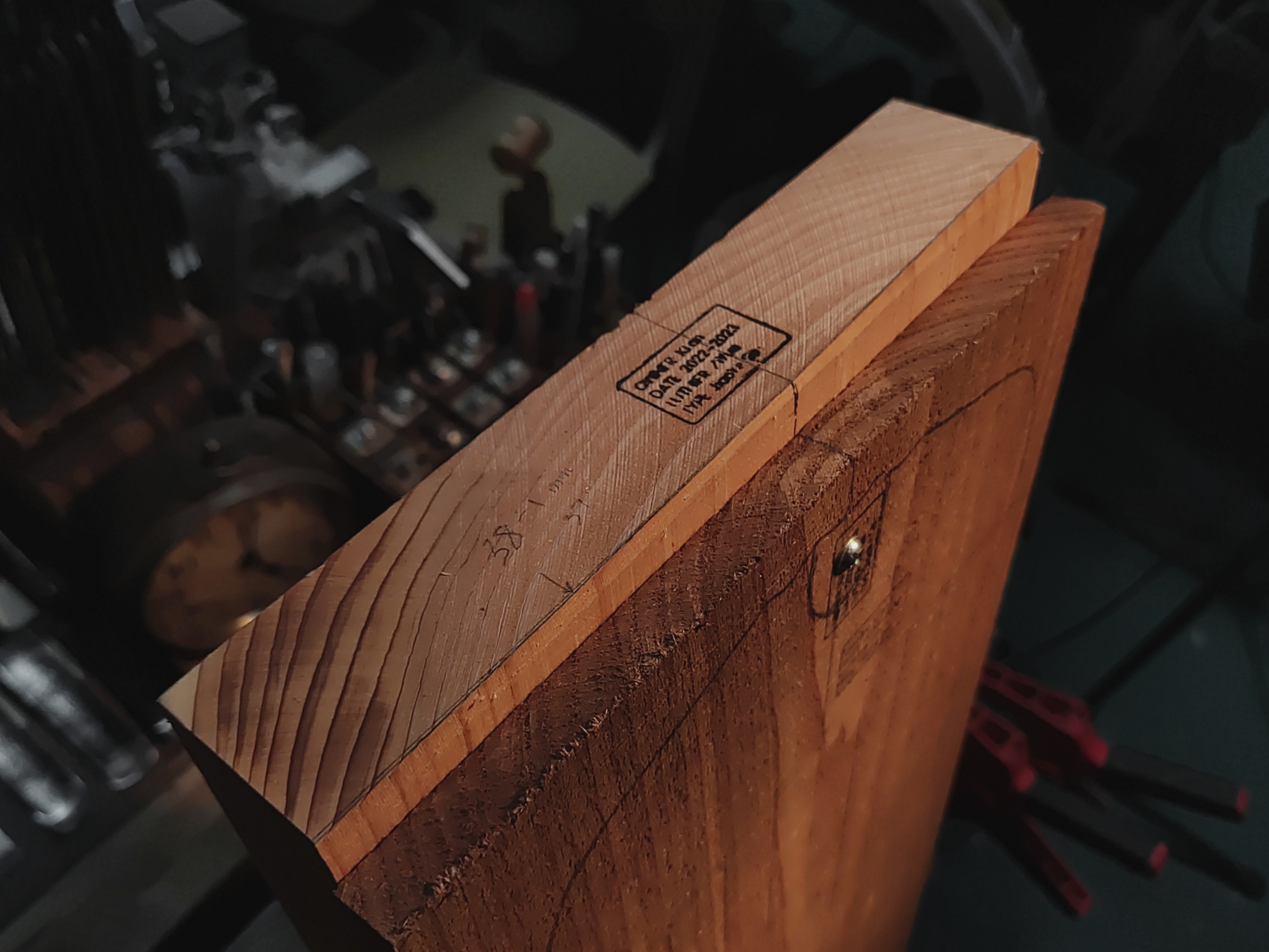
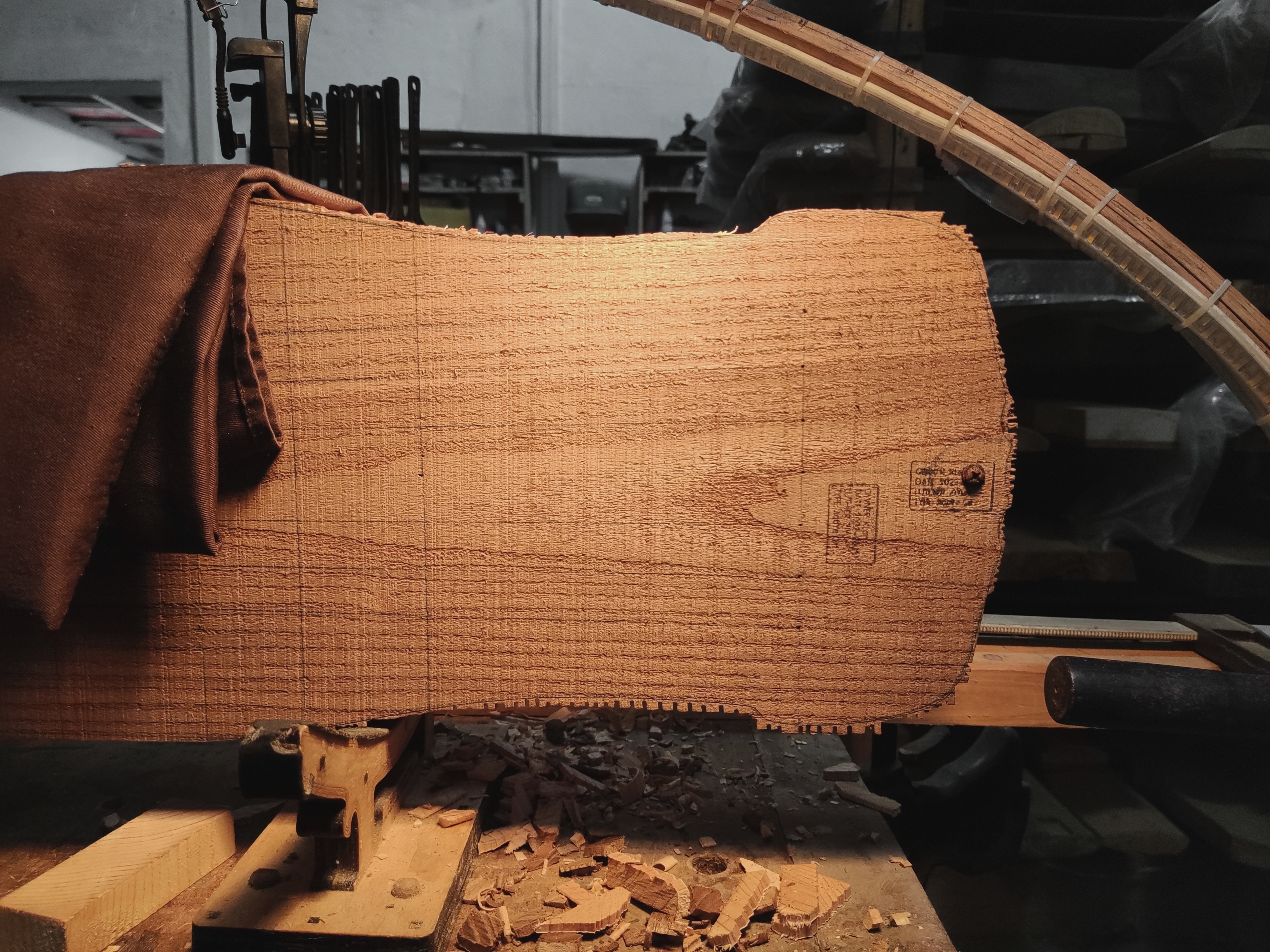
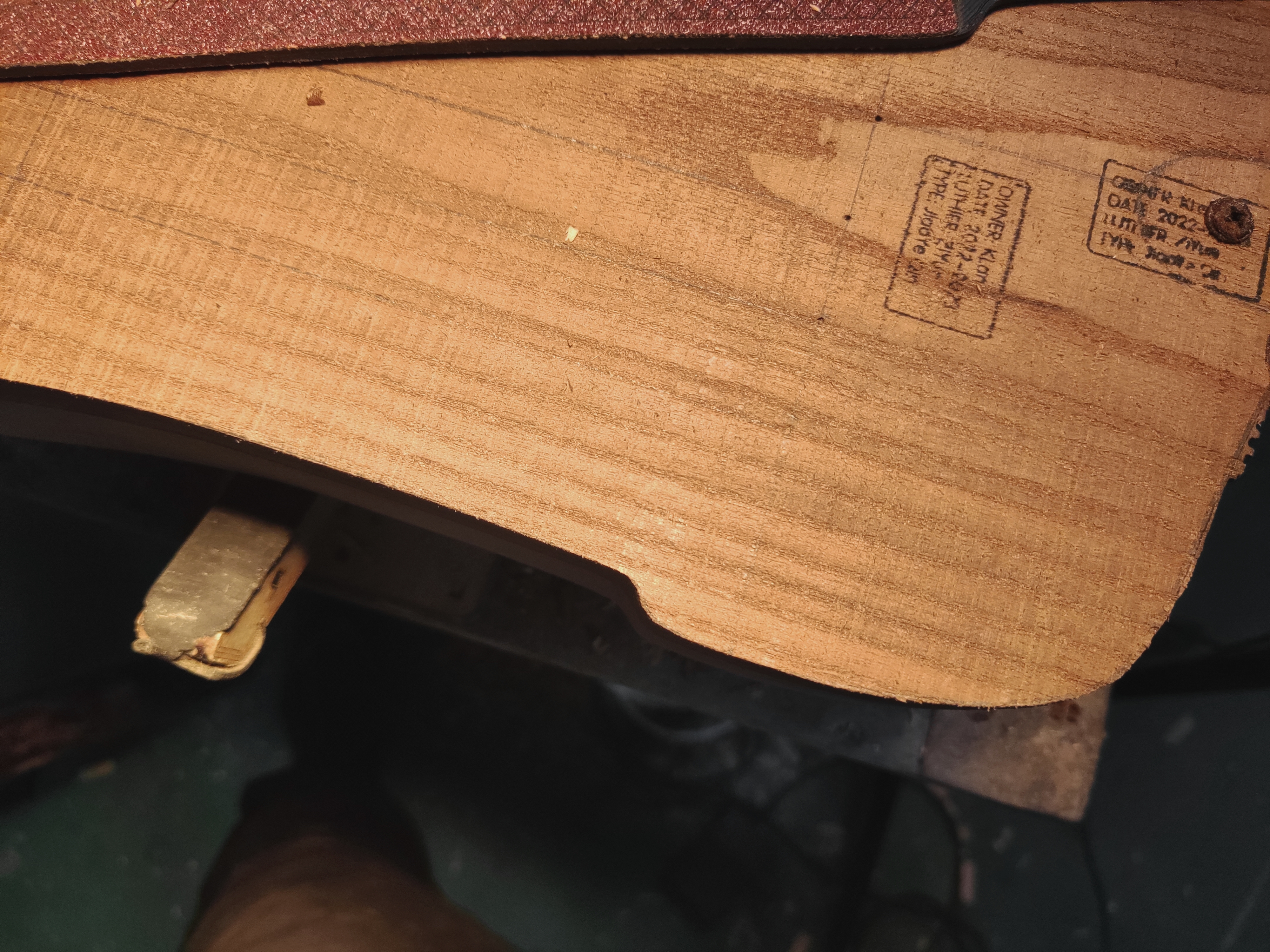
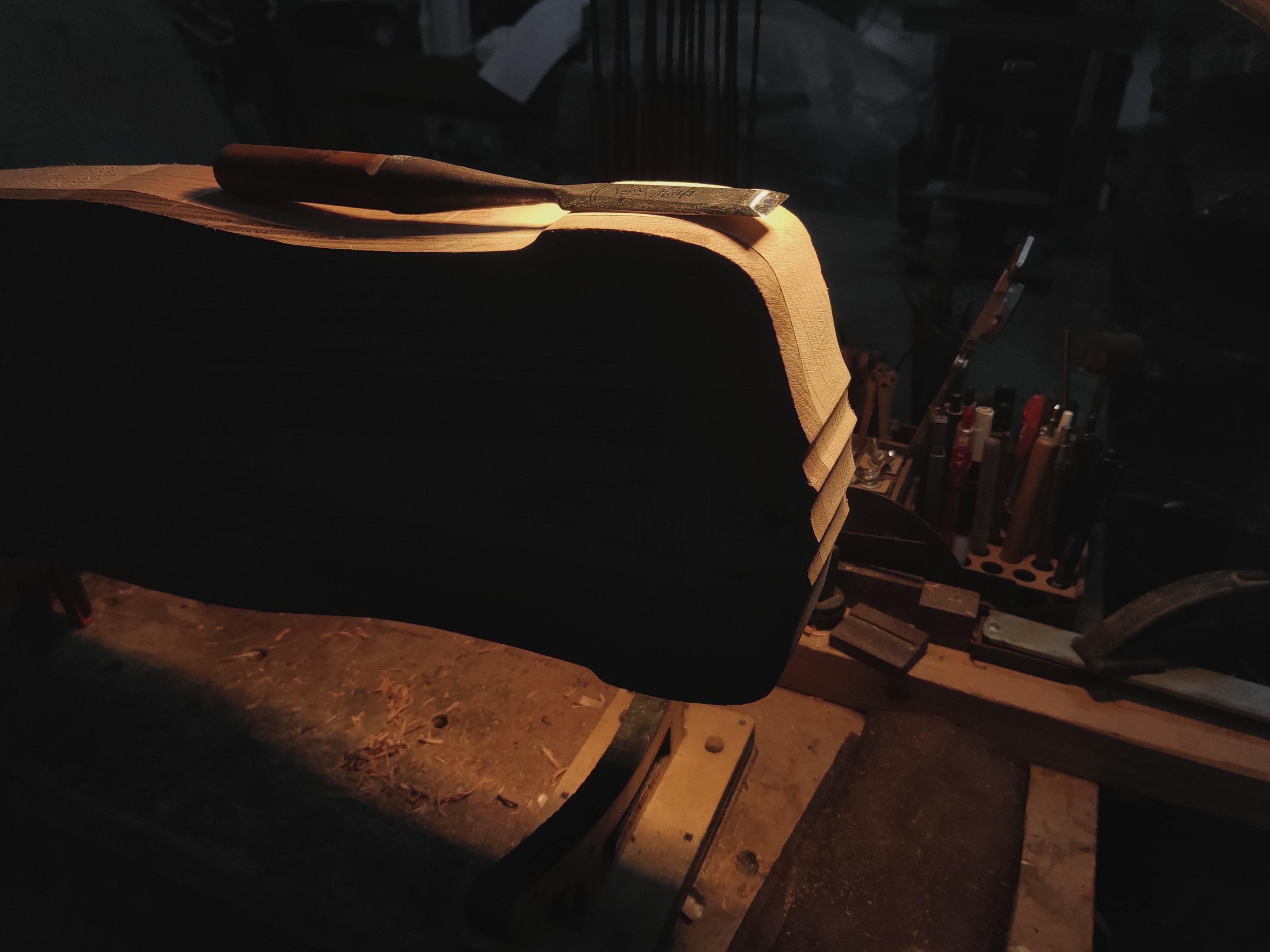
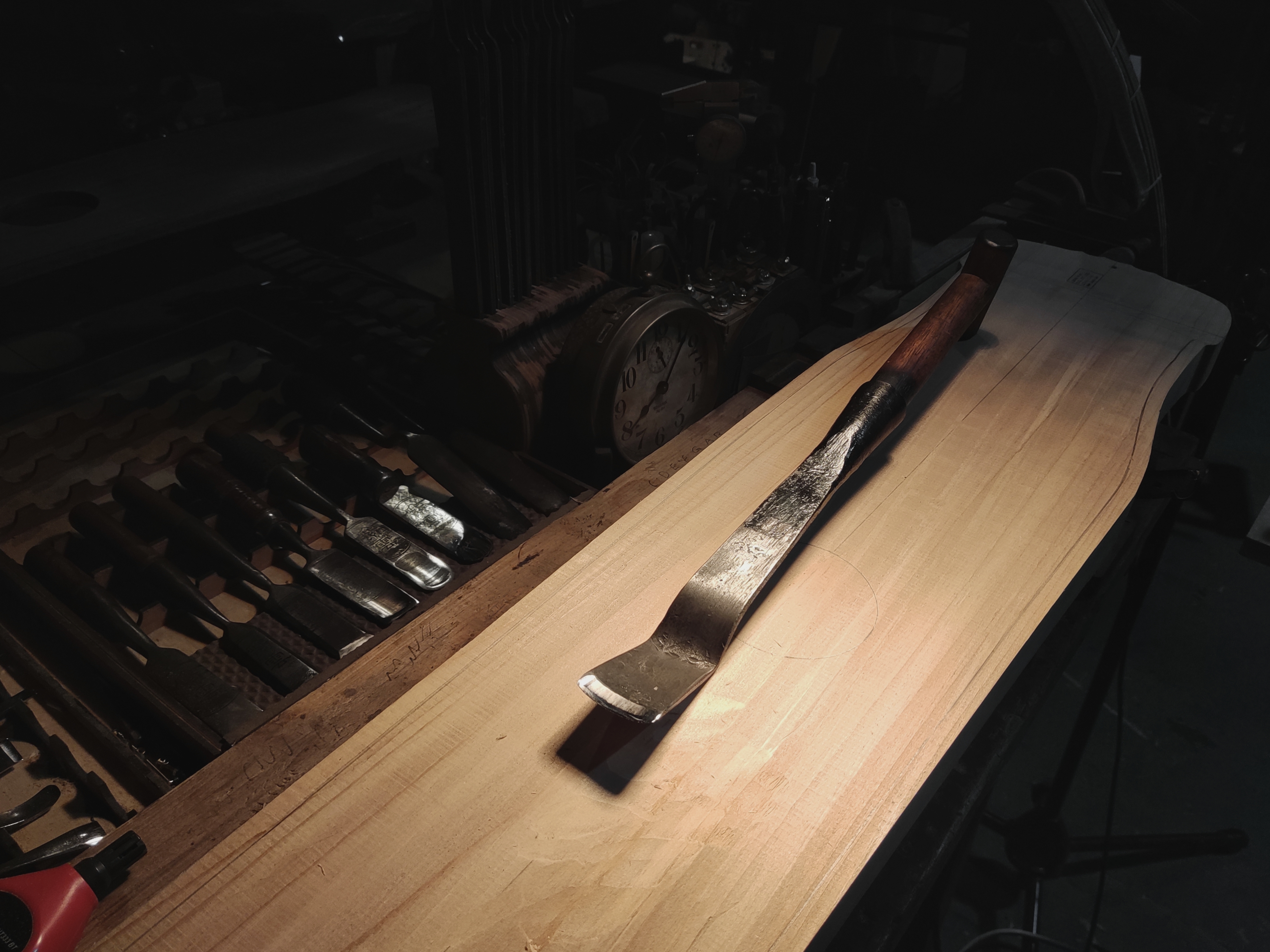
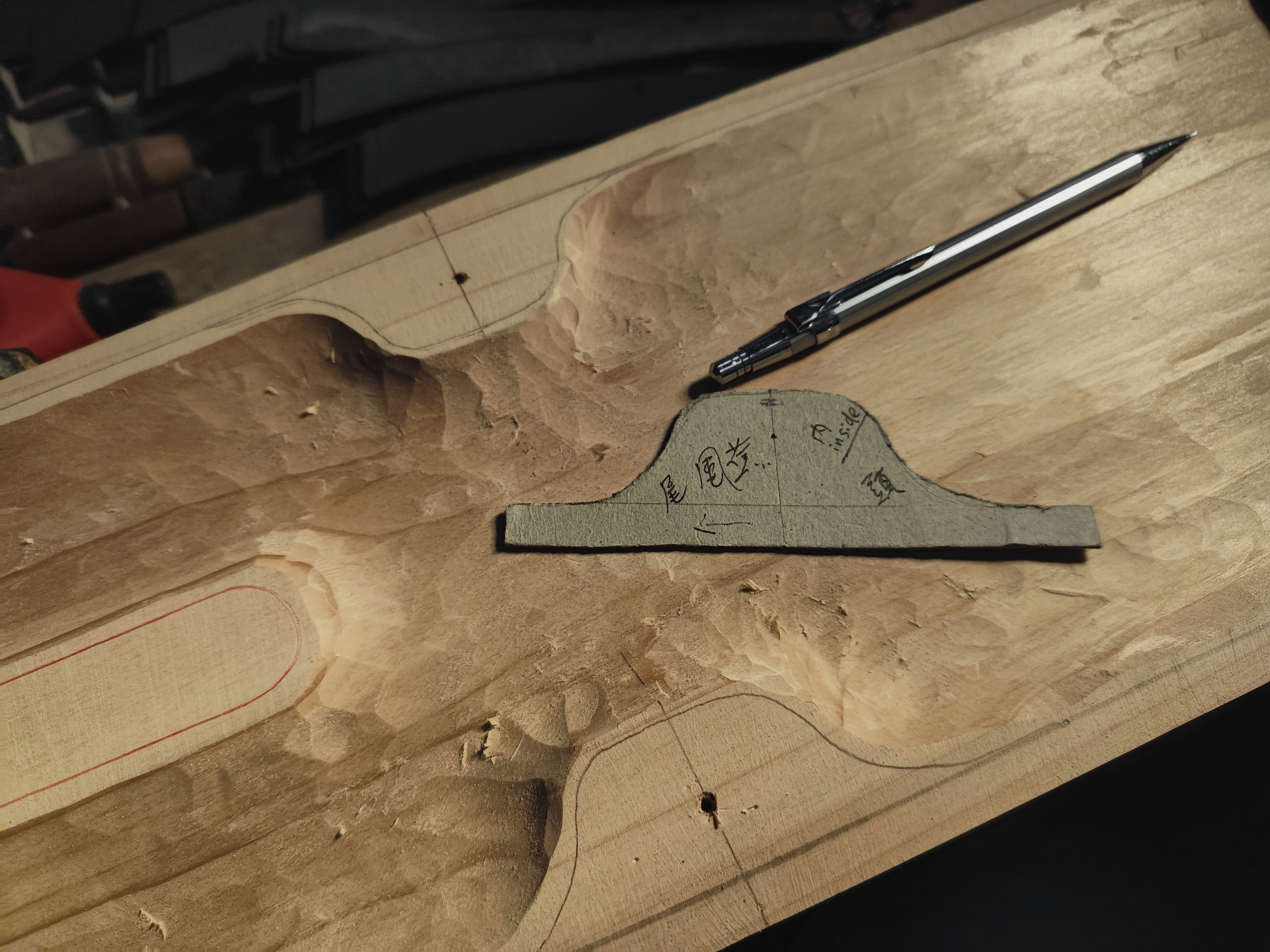
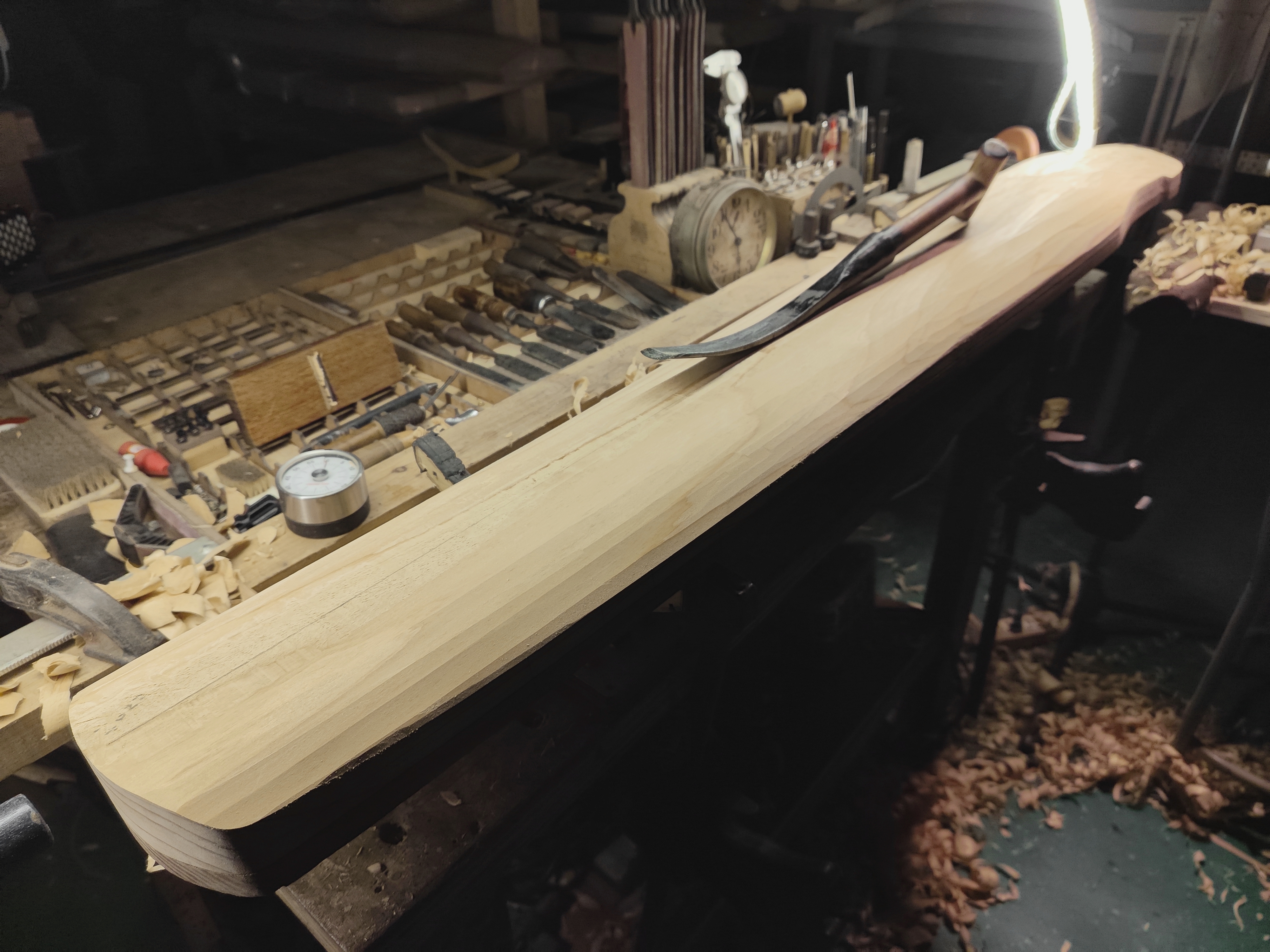
“萬丈高樓平地起”;古琴斲制亦是如此,在板材上勾勒輪廓是決定一張古琴外在形態的關鍵也更是對琴理解之基本功。歷經上下二千五百年的發展,尤其在內部結構佈局方面也至少擁有近兩千年之迭代與優化。
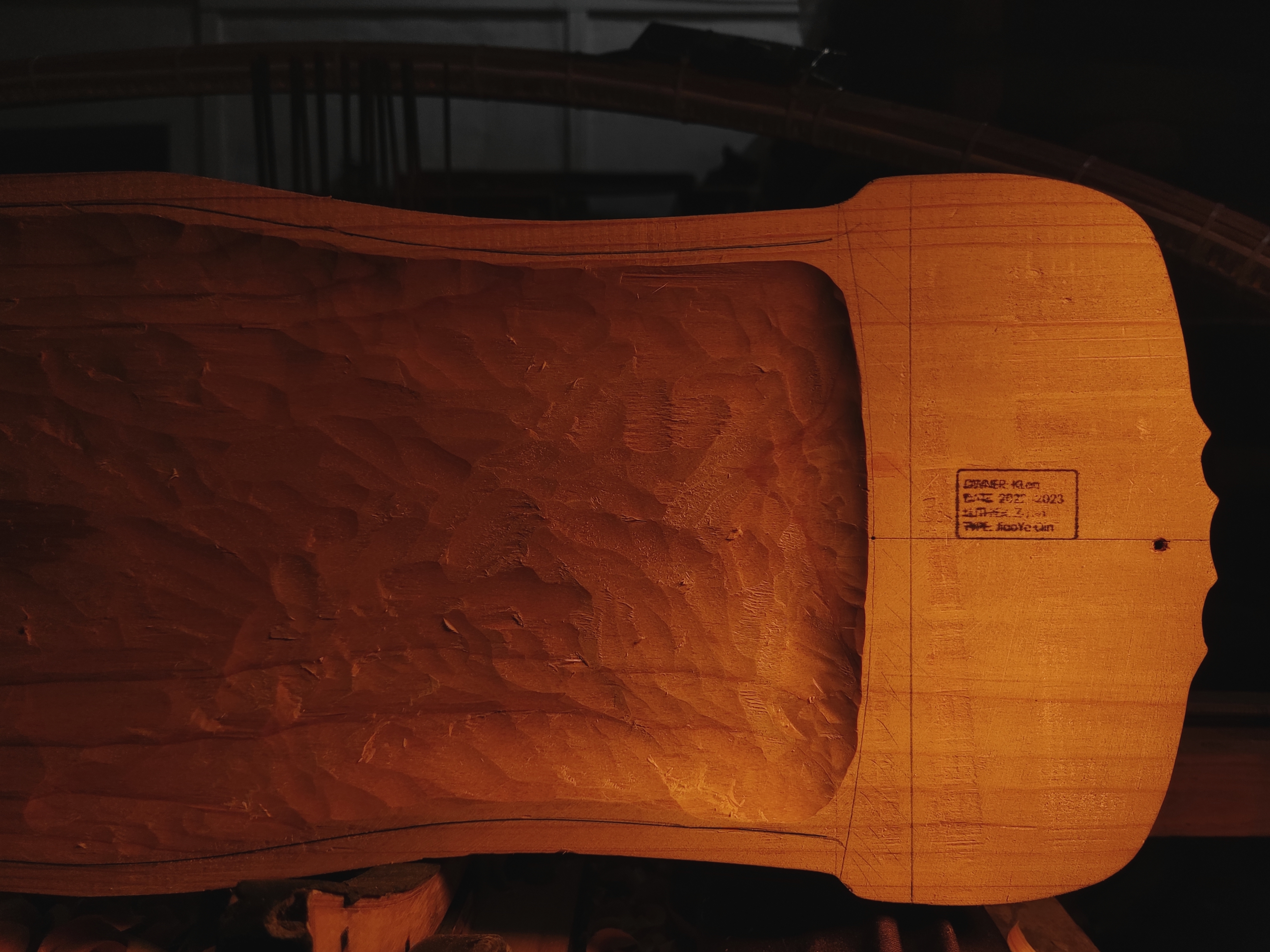
基於理念和傳統,古琴每個細節都得以在長時間的製作和修改中形成其獨特的審美章法。儘管各琴款形態各異,皆保留最核心且基本的內部發聲結構:龍池鳳沼、龍鳳納音、龍鳳槽腹、雁足池。至於外在形態則遵循十三個徽位與內在結構作為參考,對頭、頸、身、腰、尾進行曲直形態各異的變化衍生設計。
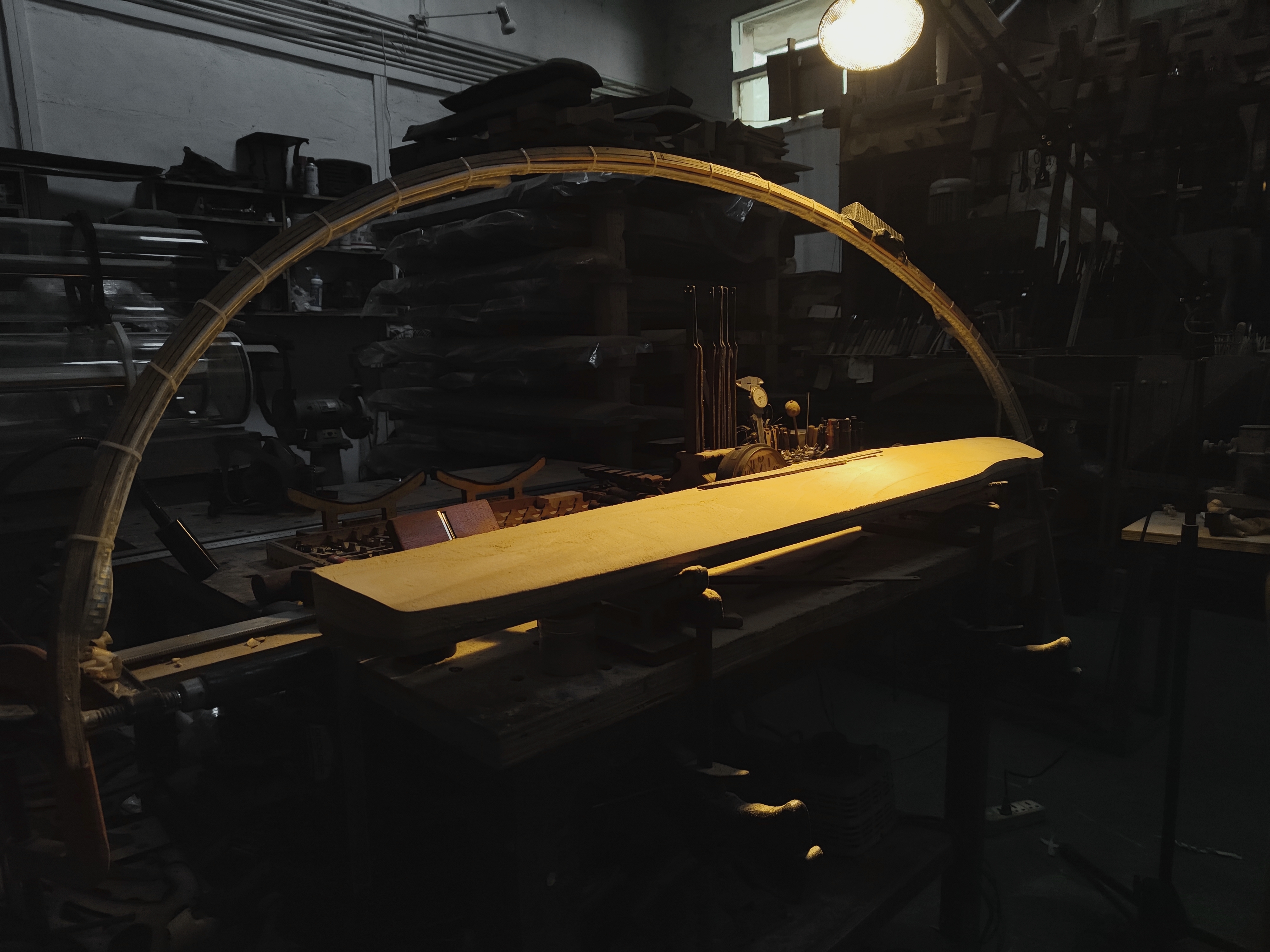
至於蕉葉琴設計理念的歷史起源雖尚不明確,至少早在中國明代初已出現成熟的模範。而蕉葉琴類別中值得一提的正是“古杲華”的弧底蕉葉琴以及“玉樹臨風”蕉葉琴,其形態一度打破以往的審美局限但也至少仍保持並遵守傳統的發聲結構以及正常彈奏使的形態。其顛覆性的曲綫形態和靈活的雙向調音,一度突破了唐宋時期的古琴製作工藝極限并且流傳至今,因此蕉葉琴也許是從古至今衆多樂器當中的特例甚至是巔峰之一了。
Shape designing and cutting
“Structures builds from the ground"; the same true is for the Guqin crafting. Outlining the contour on the board is the key to determining the external shape of Guqin, and it is also the basis for understanding the Guqin. After 2,500 years of development, especially in terms of internal structure layout, it has at least 2,000 years of iteration and optimization.
Based on ideas and traditions, every detail of Guqin has been able to form its unique aesthetic rules and regulations in the long-term production and perfection. Although the shapes of each Qin are different, they all retain the core and basic internal sound structure: Longchi Fengzhao, Long-feng Nayin, Long-feng Groove, and Yanzuchi. As for the external shape, follow the thirteen emblems and the internal structure as a reference, and carry out derivative designs with different curves and straight shapes on the head, neck, body, waist, and tail.
As for the Jiaoye qin, although the historical origin of the design concept is still unclear, at least a mature model appeared as early as the early Ming Dynasty in China. In the category of Jiaoye qin, it is worth mentioning that the arc-bottomed Jiaoye qin of “Gugaohua" and the “Yushu Linfeng" Jiaoye qin, its shape once broke the previous aesthetic limitations, but at least it still maintains and abides by the traditional sound structure and the functional shape of normal playing. Its subversive curved shape and flexible two-way tuning once broke through the limit of the Guqin crafting process in the Tang and Song Dynasties and passed down till this day. Therefore, the Jiaoye qin may be a special case or even one of the peaks among many instruments from ancient times to the present.
Notes:
Longchi Fengzhao:Long is the imagery primary part like Chinese dragon and Feng is the imagery secondary part like phoenix,Longchi means pond for the Chinese dragon in which for the relatively deep internal area of Guqin,Fengzhao means swamp for phoenix in which for the relativel shallow internal area of Guqin. Both are a sound cavity structure.
Long-feng Nayin: The primary and secondary parts of the raised structure that focuses the sound vibrations.
Long-feng Groove: The primary and secondary curved and thinner area of the Guqin internal cavity.
Yanzuchi: Yanzu means the parts that look like wildgoose feet,which is the parts for fixing end of string, Yanzuchi is the pier root of string-end fixing part.




 {紫雲古琴斵製技藝坊}The Guqinuthiery & Workshop. Since 2014.