
2022-05-20
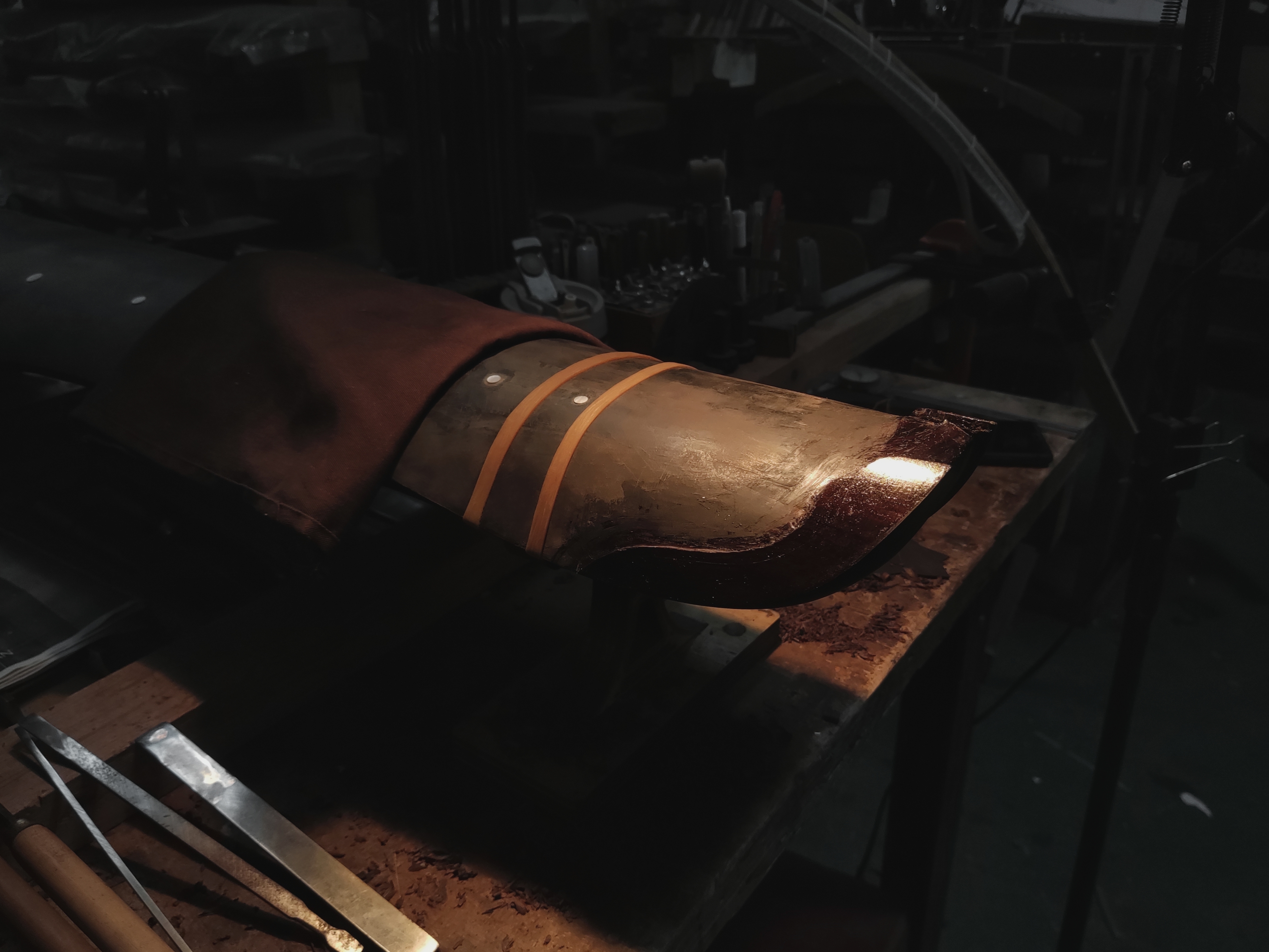
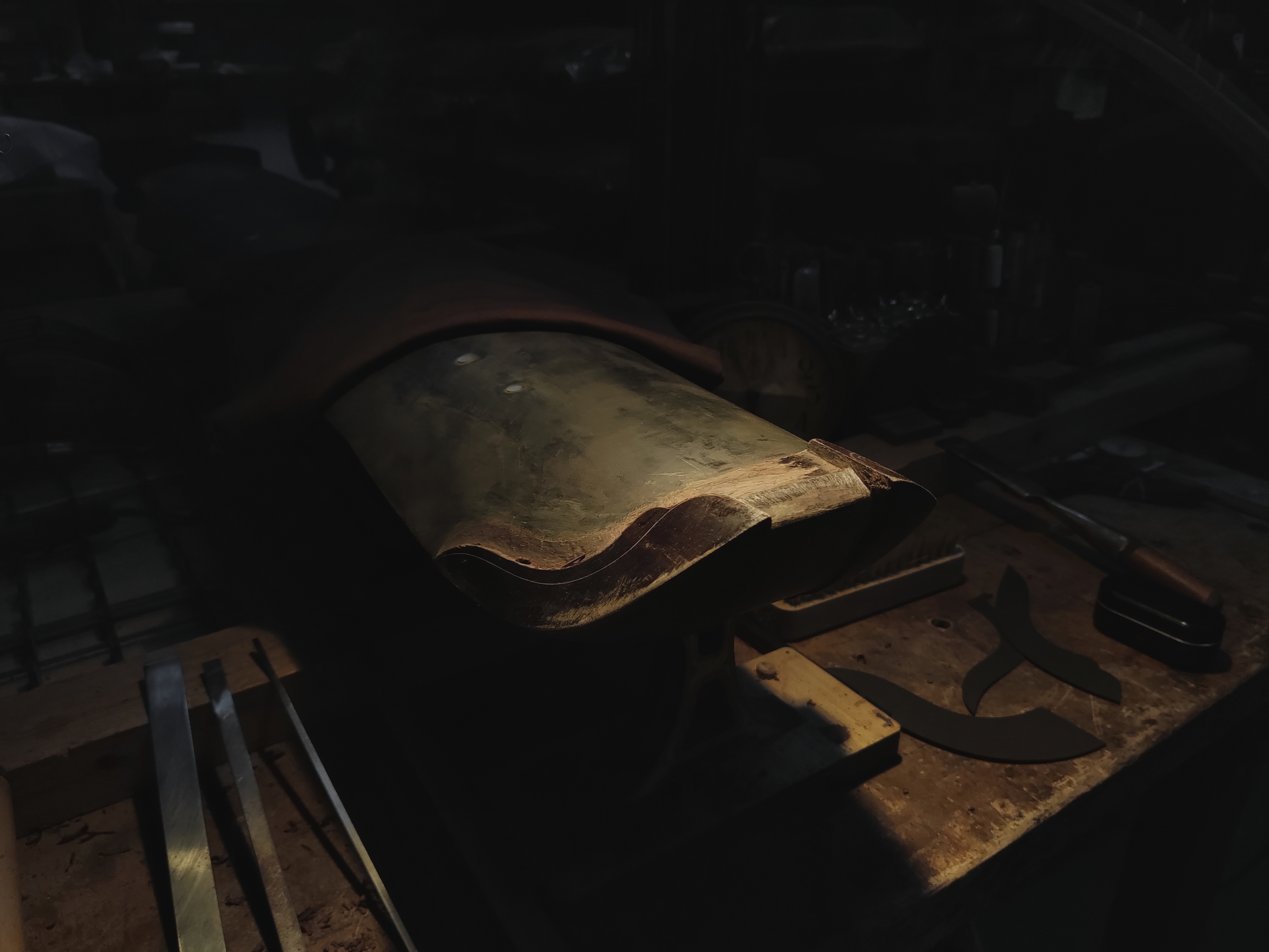
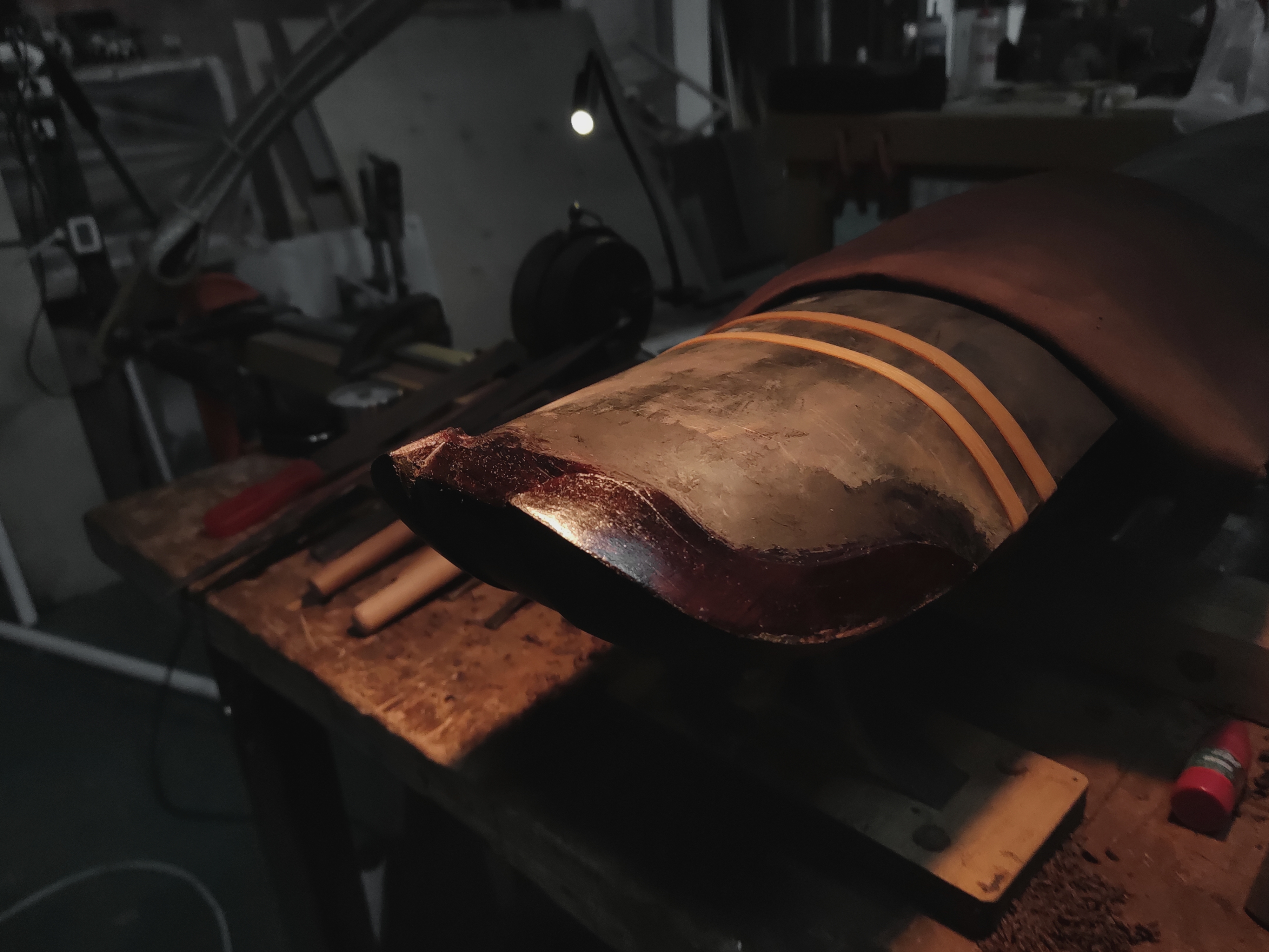
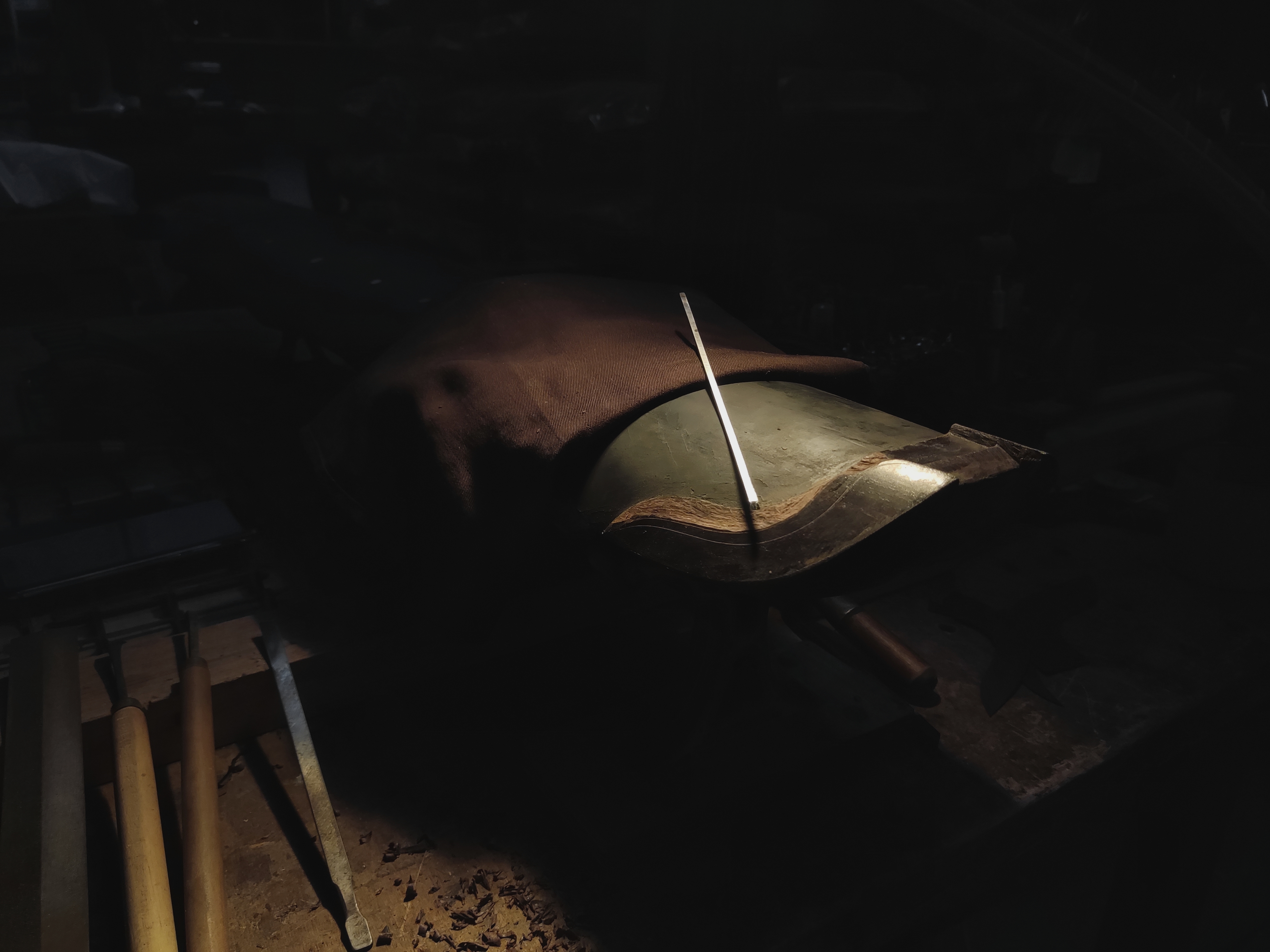
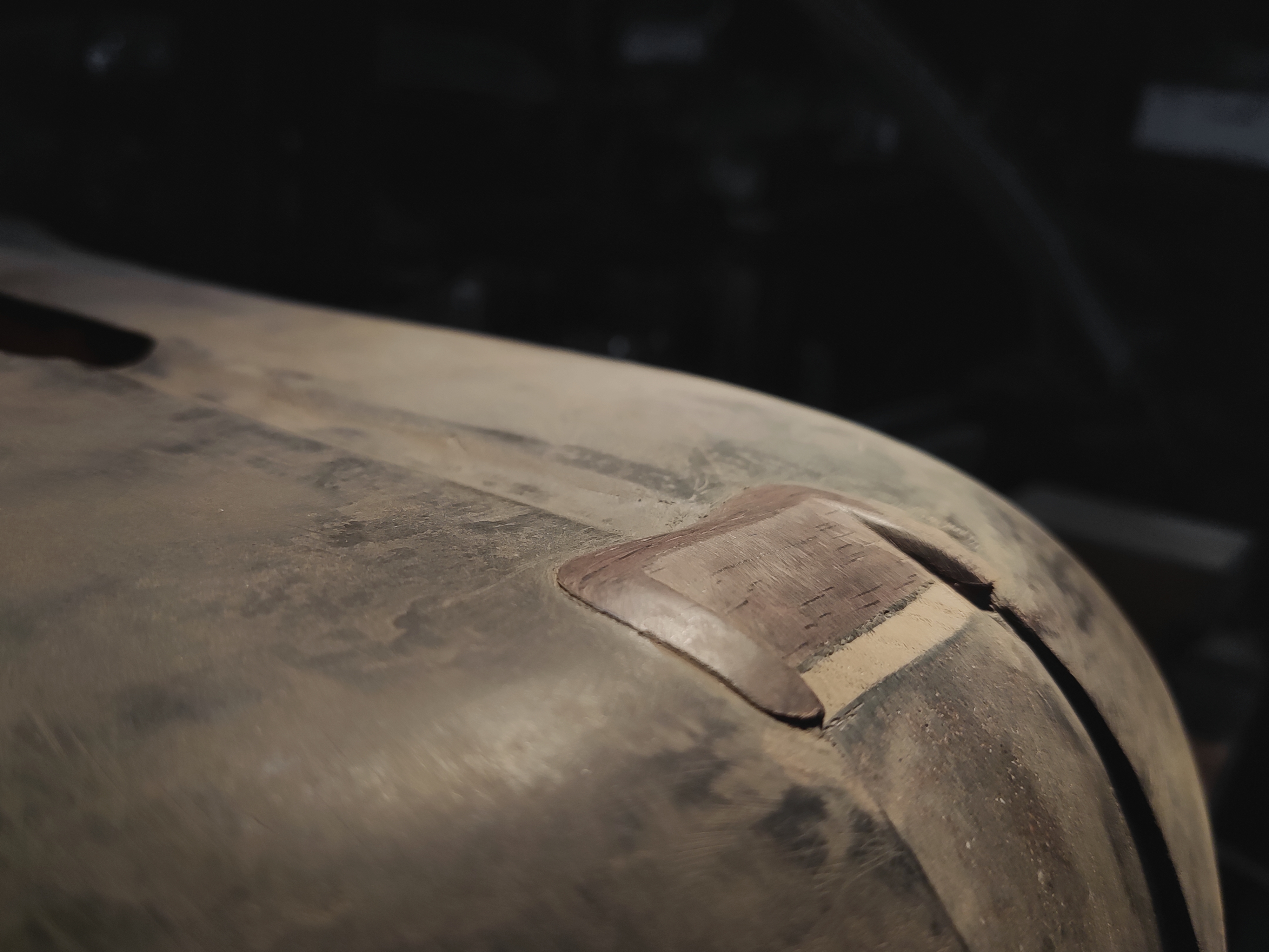
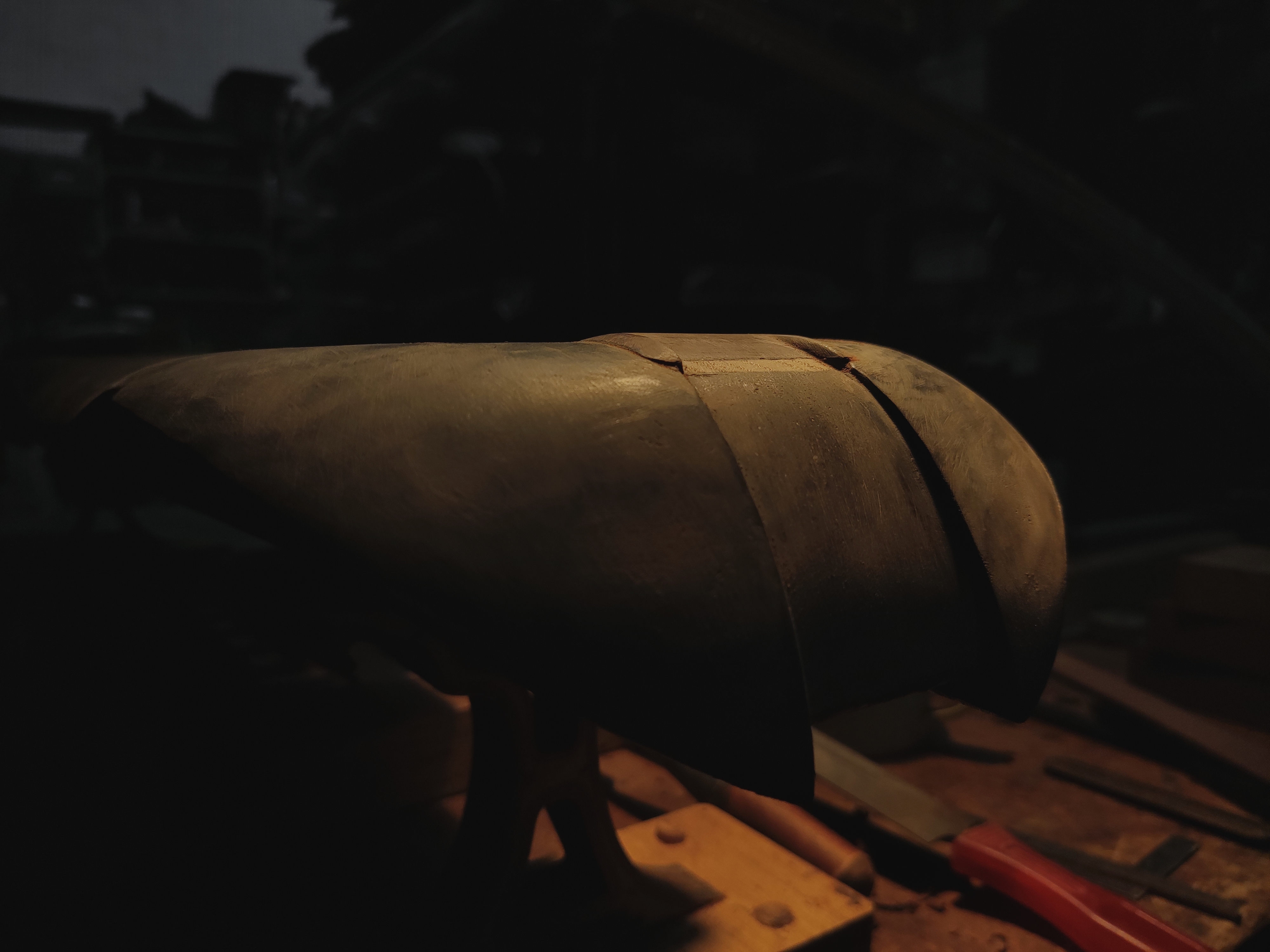
琴徽鑲嵌與配件雕刻
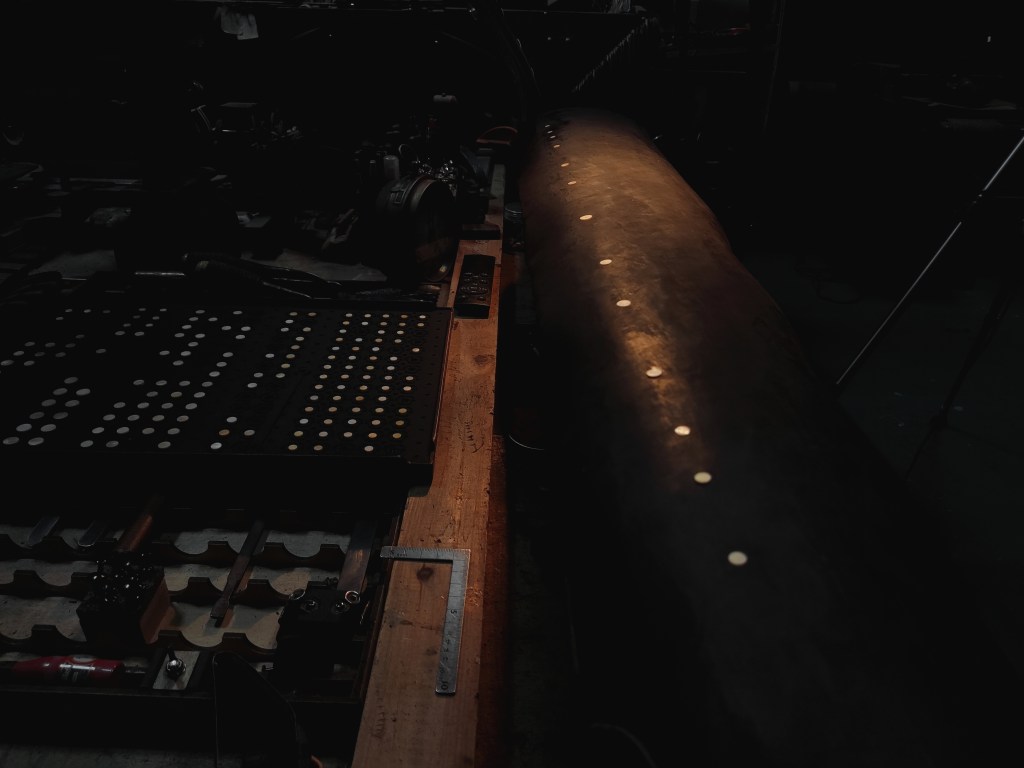
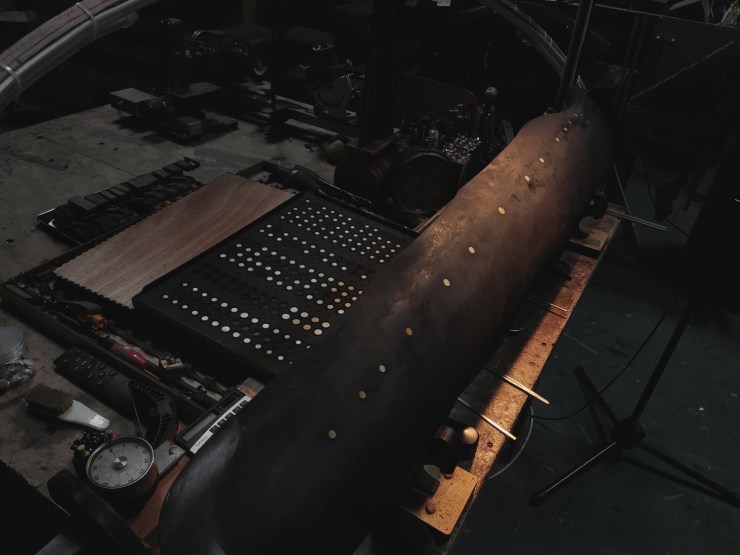
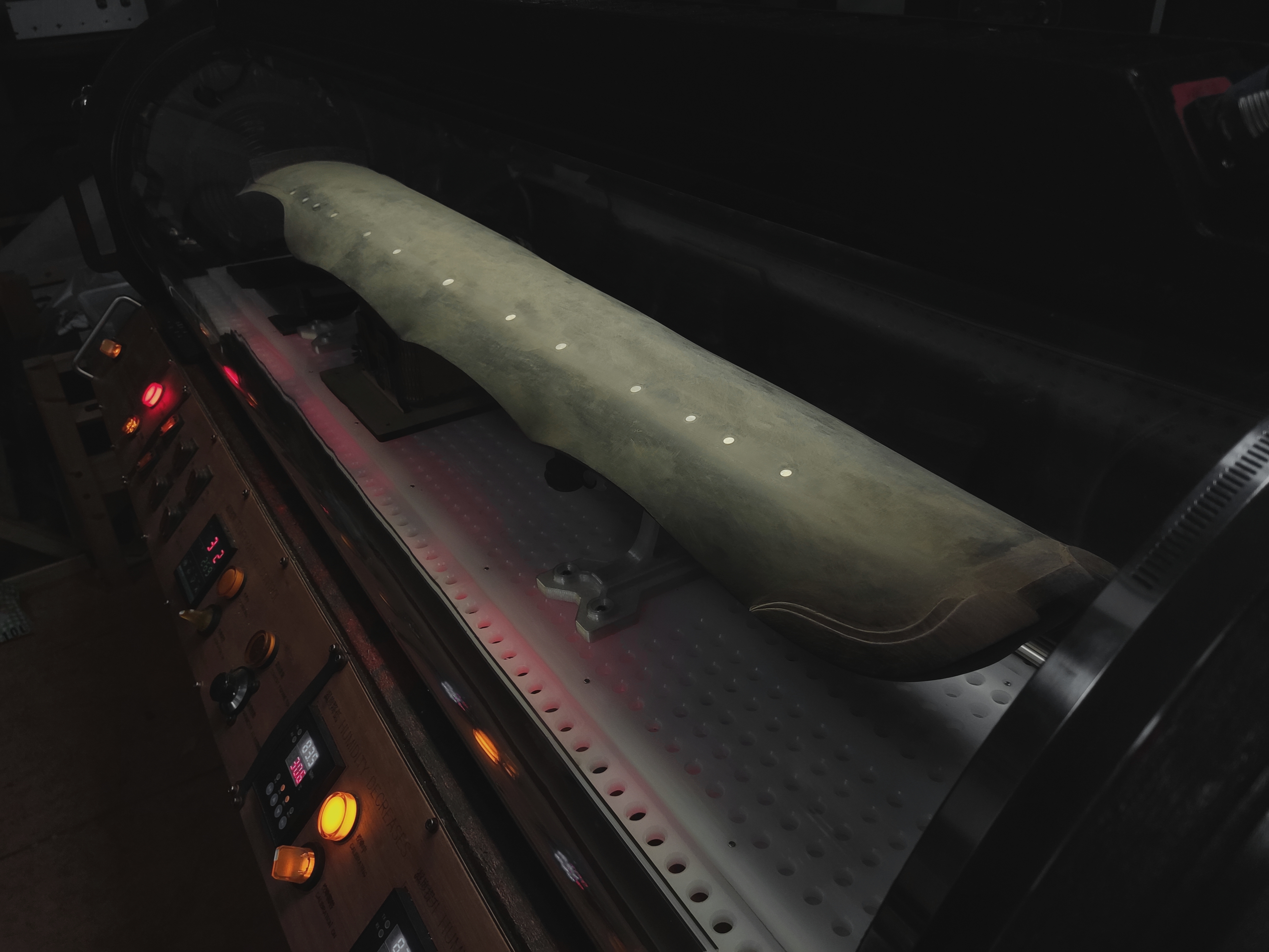
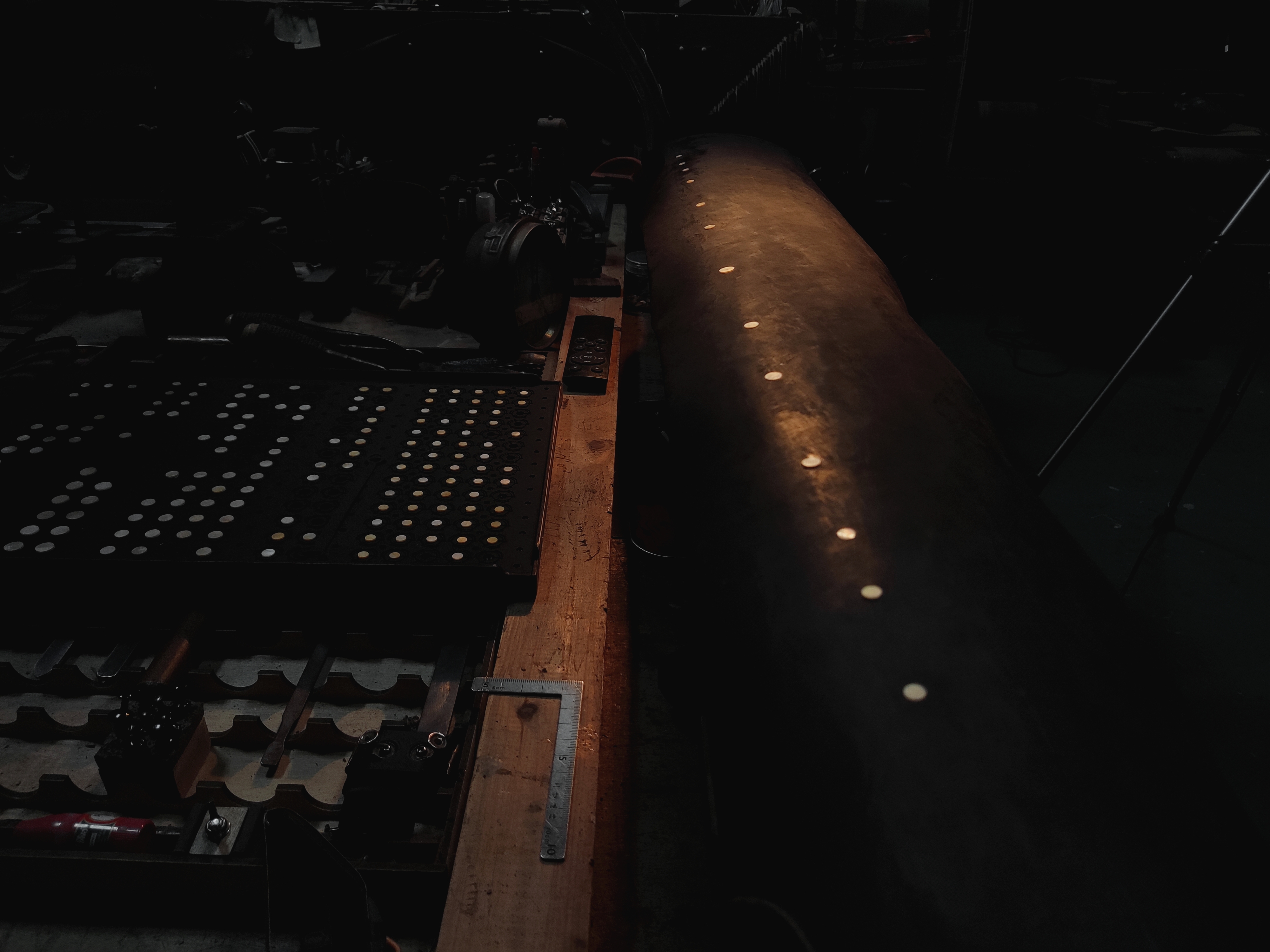
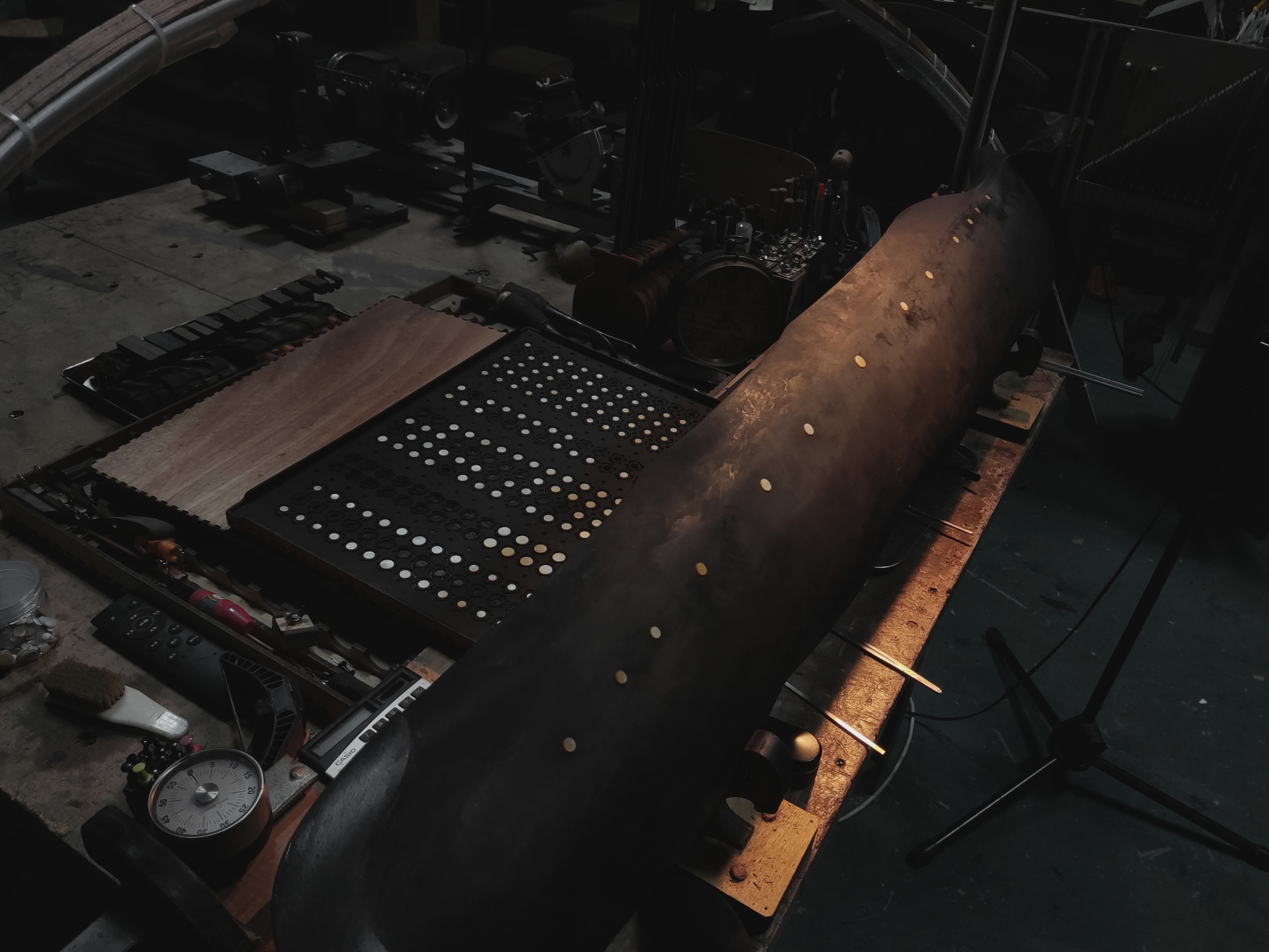
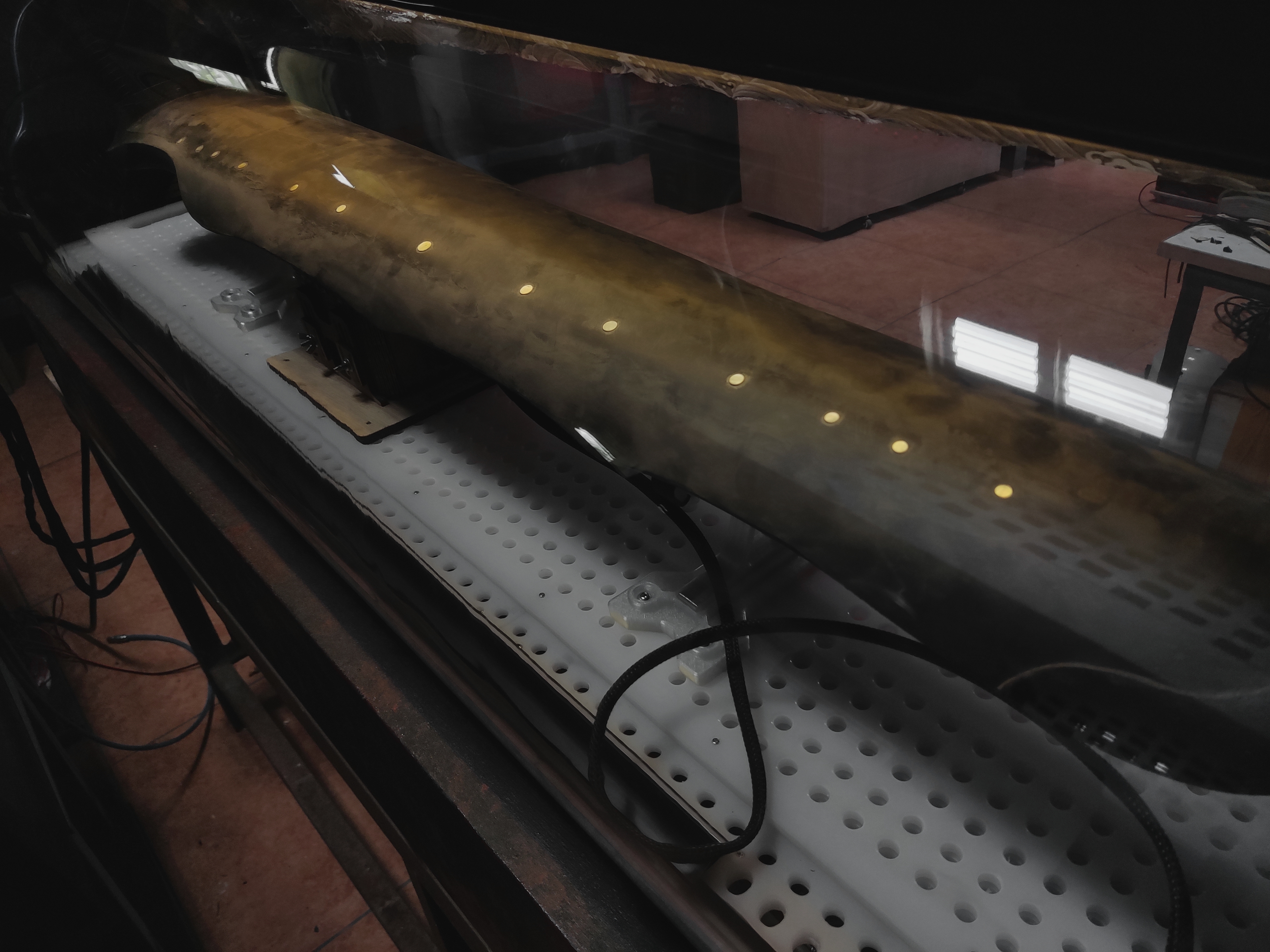
琴徽鑲嵌的精度與誤差修正,會與彈奏者的發揮水準相互相承。更甚至在一定程度上決定了這張琴按音的音準以及泛音的明亮度。由於琴徽鑲嵌在帶有弧度的琴面上,加上琴弦與琴面有一定的的夾角,因而產生相對細微的視覺偏移。
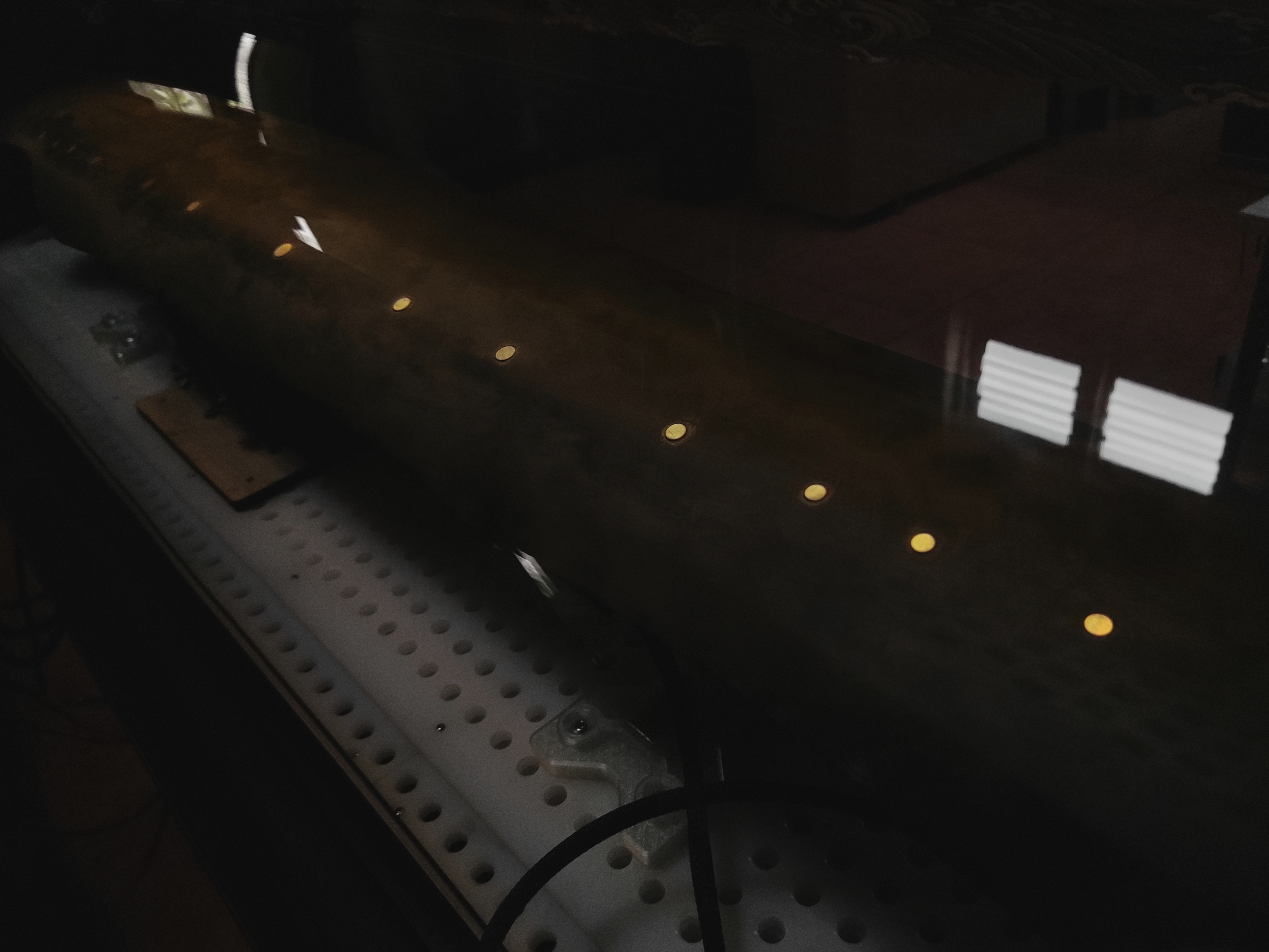
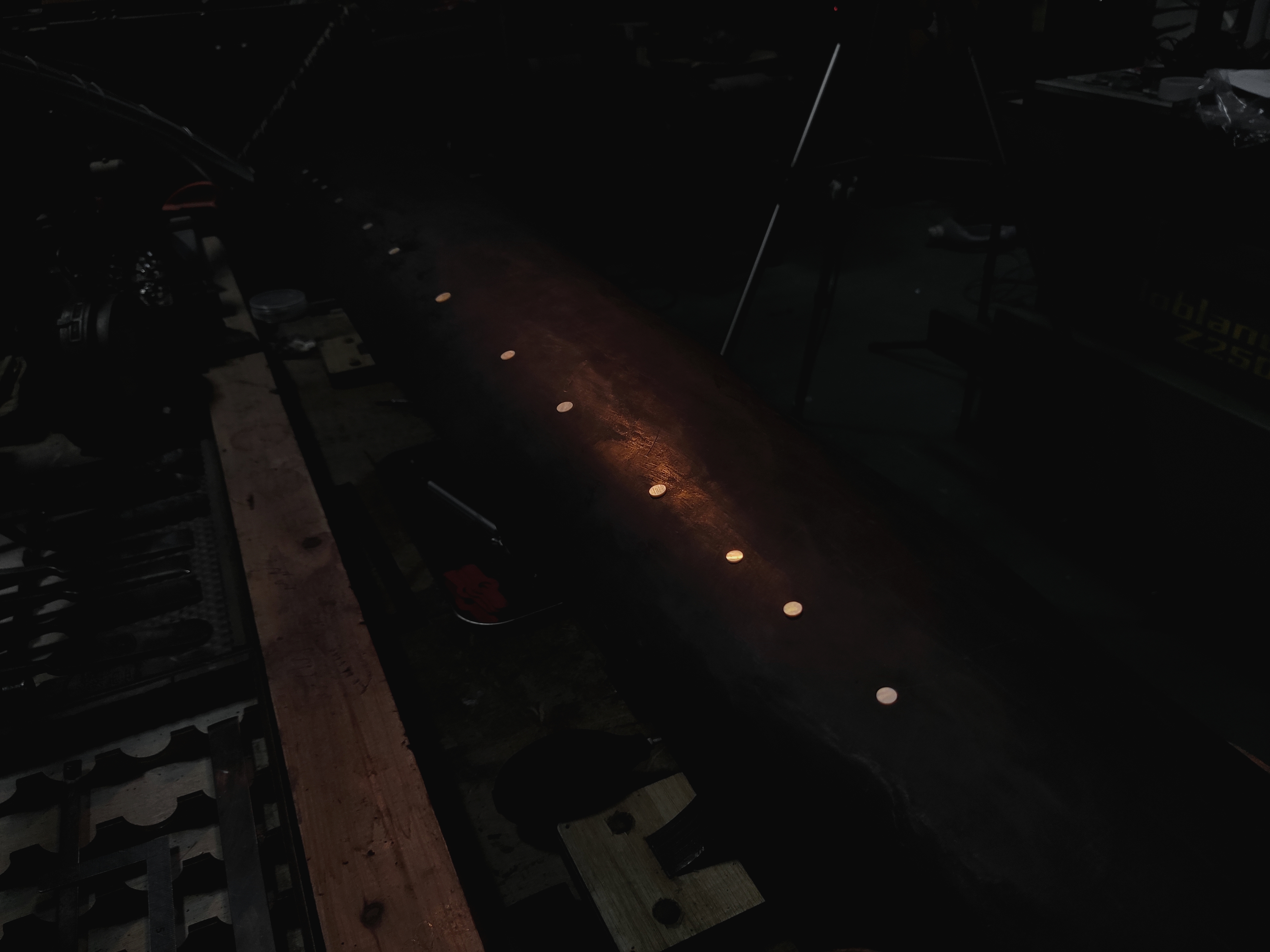
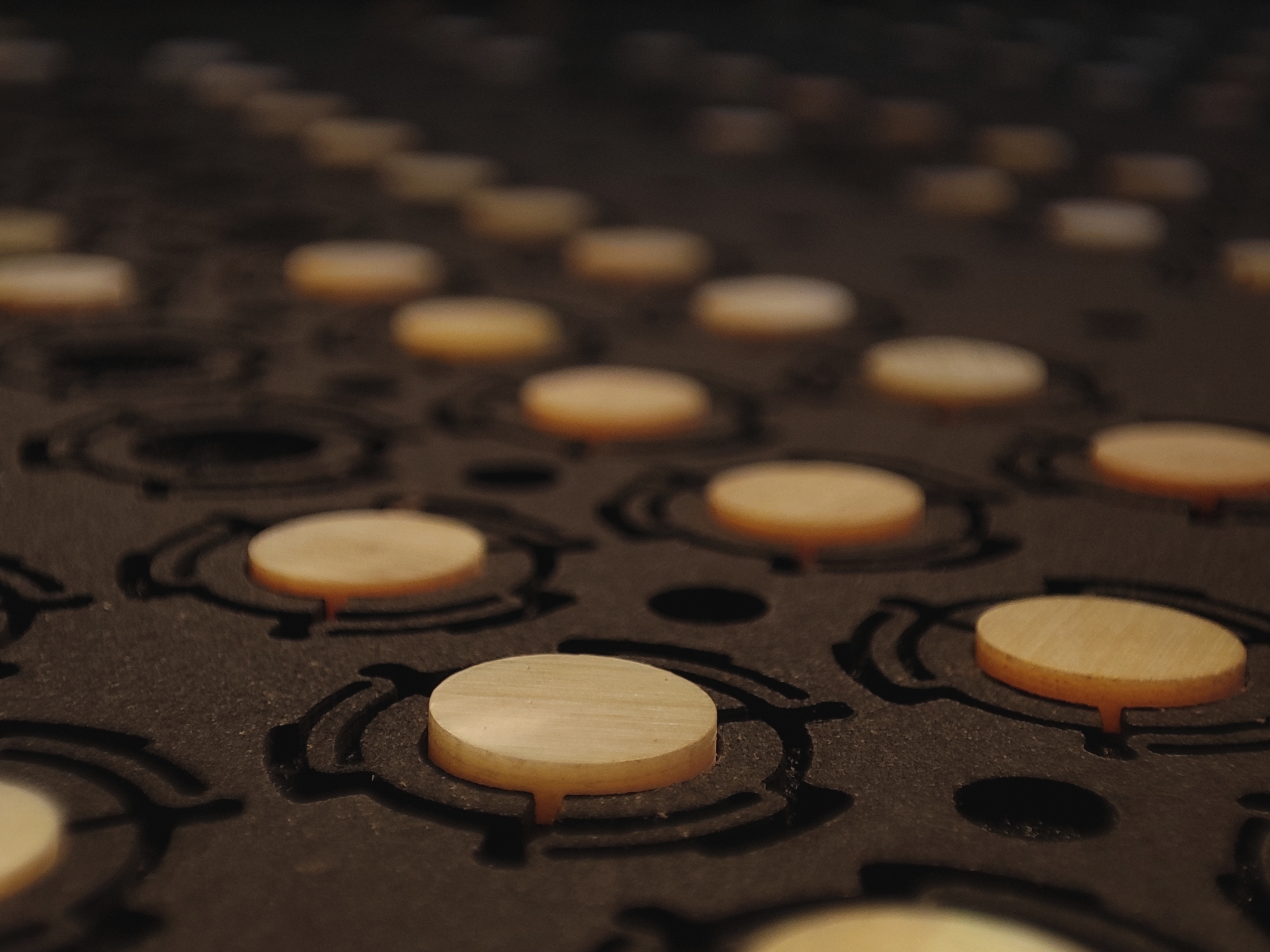
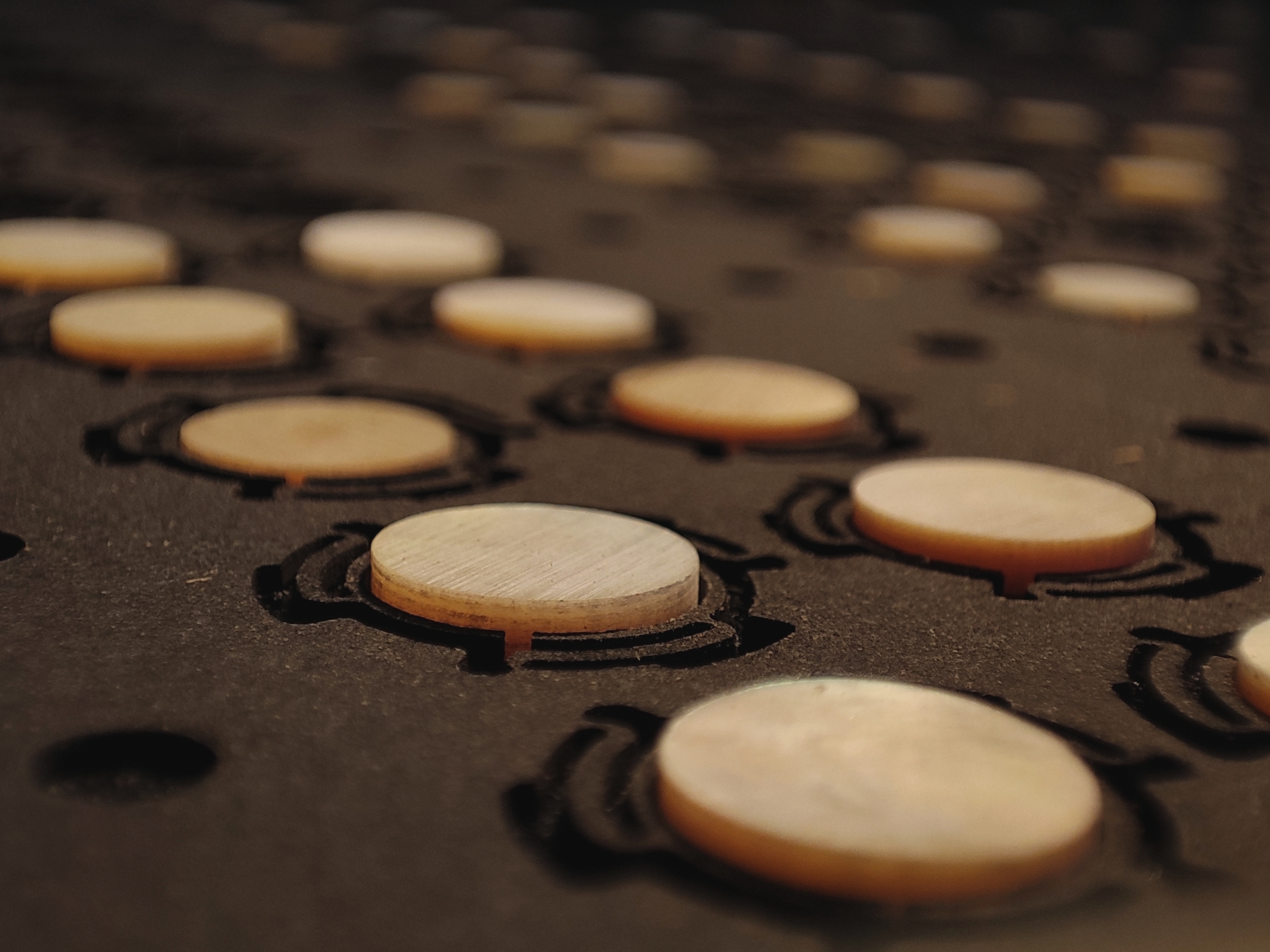
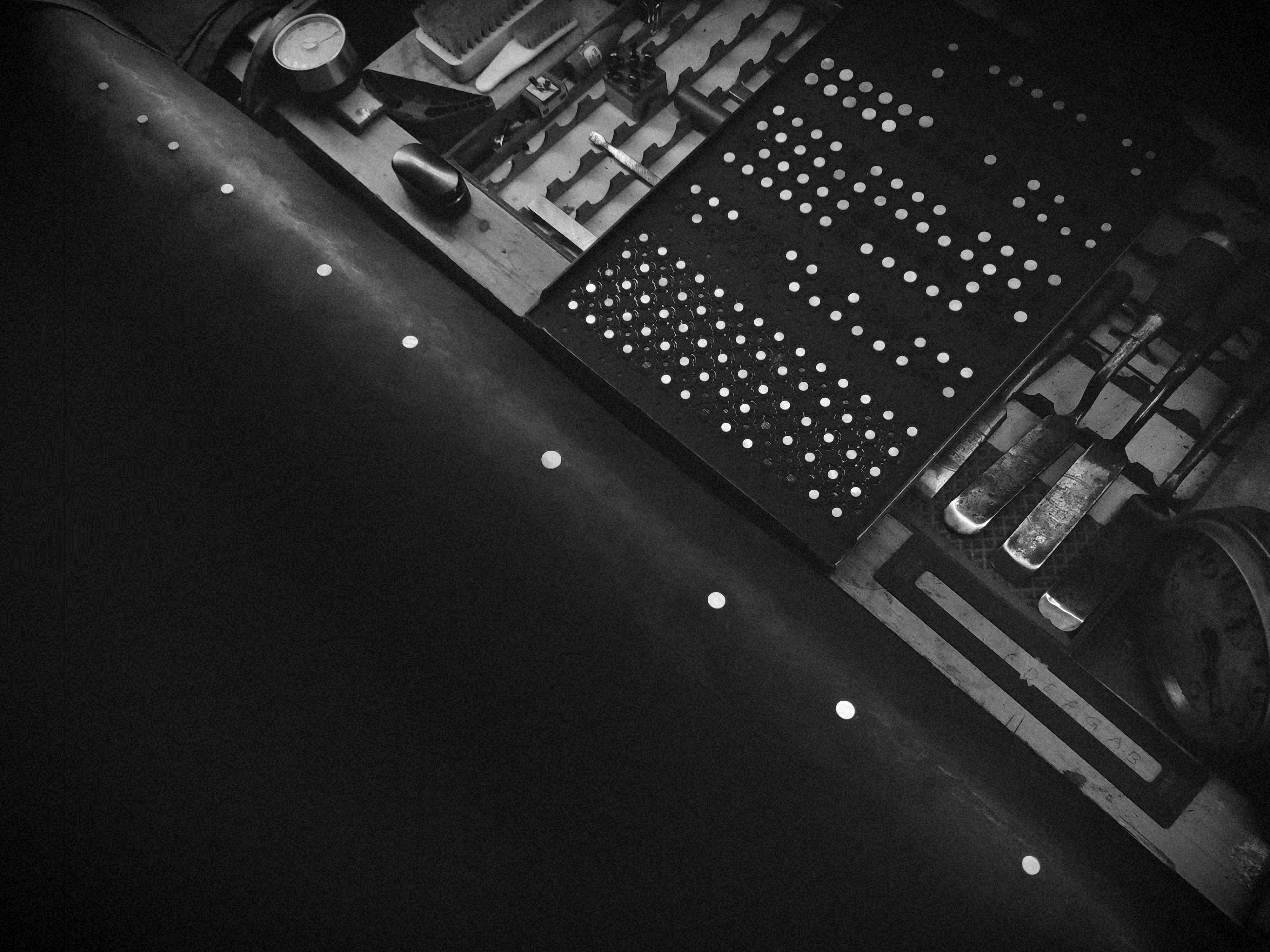
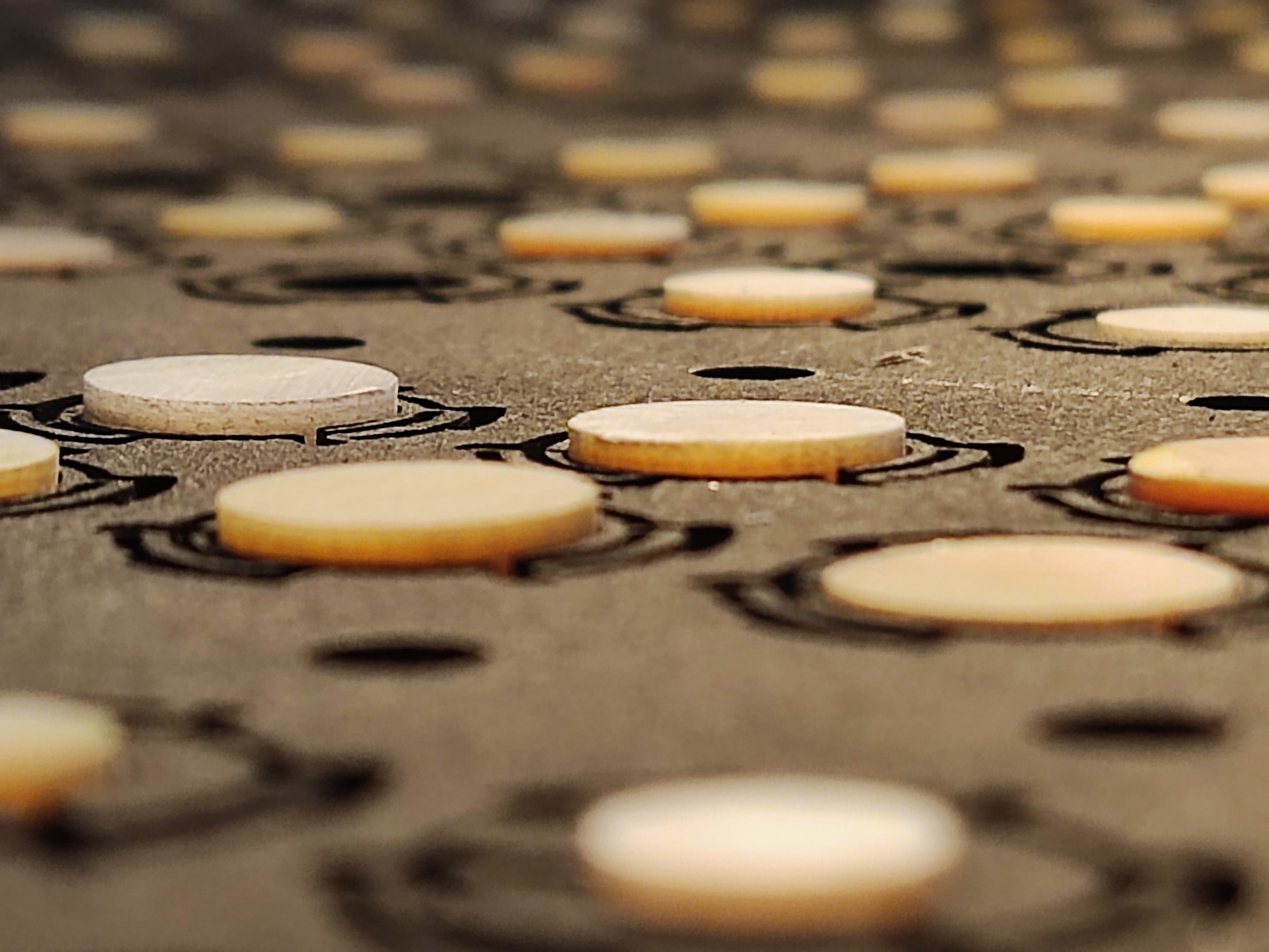
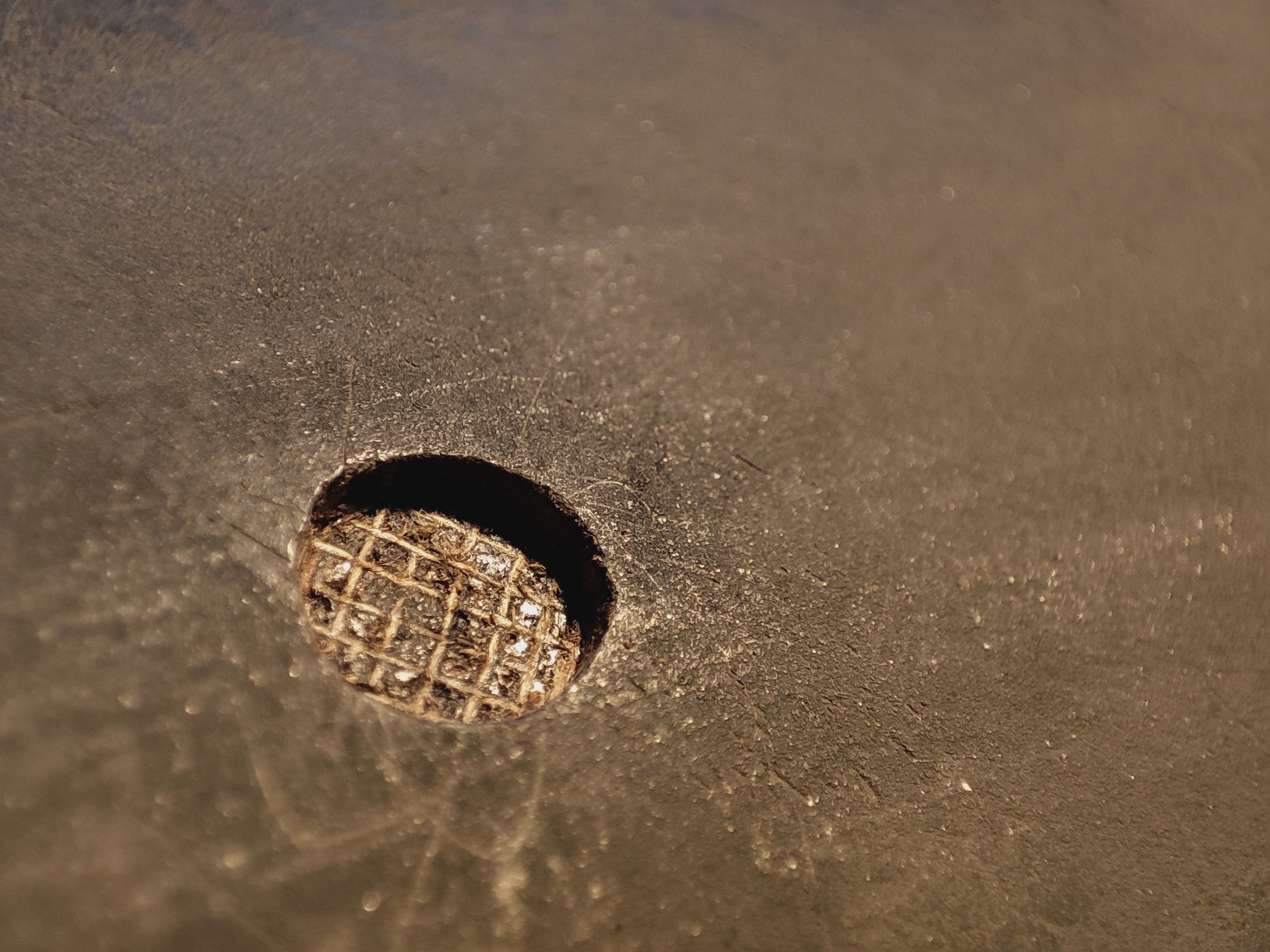
琴徽的鑲嵌方案主要有兩種:1.在合琴或裹布後進行鑽孔並鑲嵌。 2.在古琴細灰或打磨階段進行雕刻並鑲嵌。隨後琴徽鑲嵌的定位也有三種:1.平行於一弦外的 8mm-10mm 距離,作爲圓心進行鑽孔。 2.平行於一弦外的 7mm-8mm 作爲圓切邊進行雕刻。 3.以一弦的一和十三徽外側 7mm 建立端點並在七徽外 9-12mm 建立中點,三點相連成兩段直綫並排佈十三個徽位圓心點。至於十三個徽位的垂直定位,則以第四弦或以一、四、七弦的平均中心點作爲垂直對準。
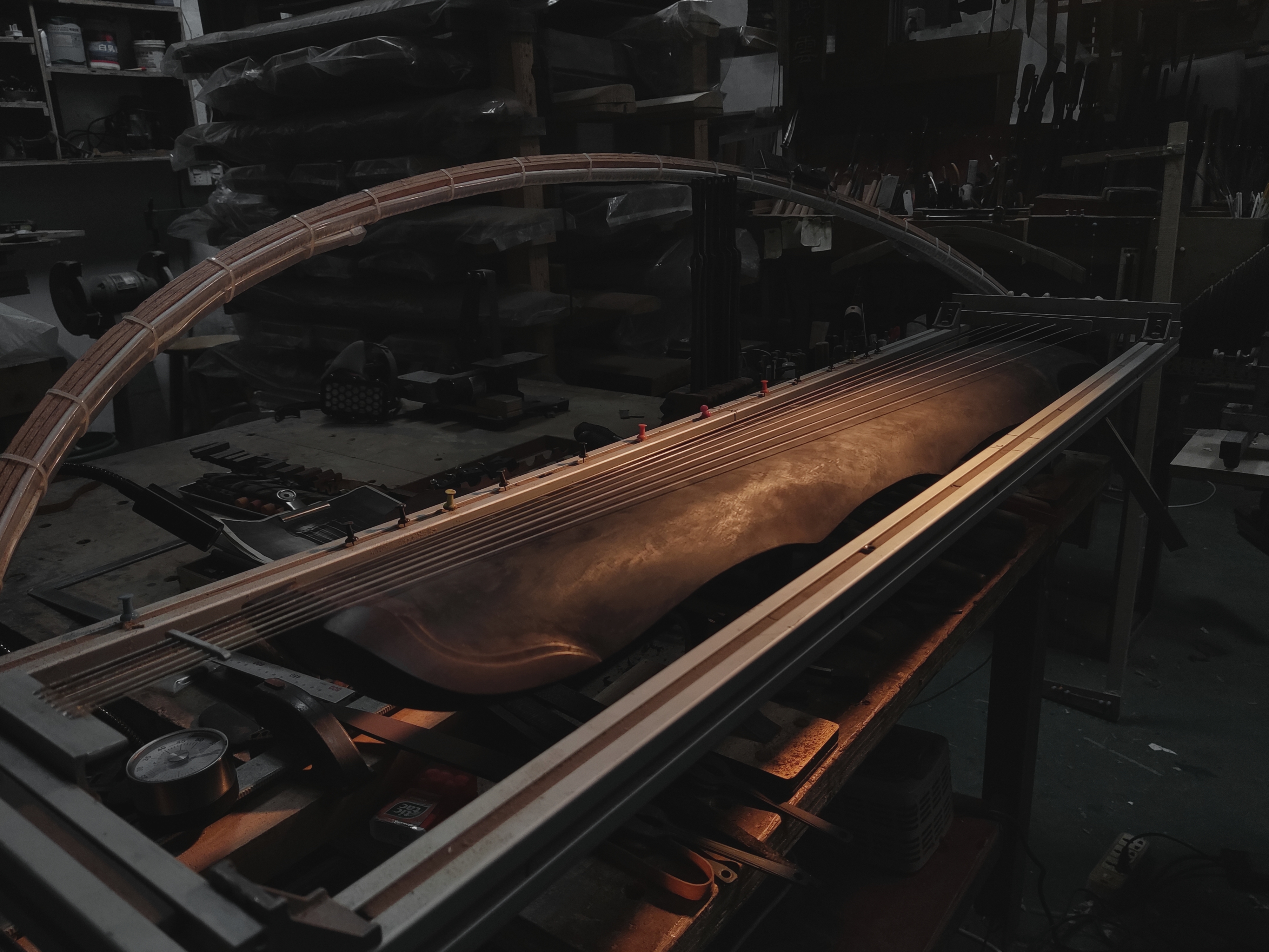
至於誤差通常有:1.琴面與琴弦的懸空夾角。 2.琴體弧面引起的斜向視覺差。3.琴在製作過程或後期受力引發的自然彎曲或扭曲。 4.琴徽鑲嵌操作中所造成的一系列定位、尺寸、構圖公差。 5.尺具與刀具保養以及操作過程中衍生出的人爲誤差。 綜合各種因果細節,其纍積公差就會非常明顯地干預著演奏者的彈奏習慣,也更引申出後期琴師與琴需要一定的彈奏磨合期。
Guqin emblem inlaying and accessory engraving
The engraving accuracy and displacement correction of the emblems(similar to the frets of Guitar ) inlay will complement the player’s performance, and even determine the pitch of the Guqin and the brightness of the harmonic to a certain extent. Because the emblems are inlaid on the curved surface, and there has a certain angle between the strings and the Guqin surface, there has a corresponding slight visual offset.
There are two main schemes for the emblem (Hui) inlay: 1. Drill holes and inlay after the Guqin’s soundboard and backboard bonding or cloth wrapping. 2. Engraving and inlaying after the Guqin fine ash or string path smoothing stage.
Then there are three kinds of positioning of the emblem (Hui) inlay scheme: 1. Be parallel to the distance of 8mm-10mm outside the first string, and drill it as the center of the circle. 2. Parallel to 7mm-8mm the outside of first string as a circle periphery for engraving. 3. Establish 2 points of first emblem and thirteen emblem outside 7mm of the first string and establish the midpoint 9-12mm outside the seventh emblem, Then three points are connected to form two straight lines and thirteen emblem center points are arranged it. As for the vertical positioning of the exact thirteen emblems, the fourth string or the average central point of the first, fourth and seventh strings is used as the vertical alignment points.
As for deviations there are usually: 1. The hanging angle between the Qin surface and the strings. 2. The oblique vision difference caused by the curved surface of the Qin body. 3. The natural bending or twisting of the Qin caused by force during the production process or after. 4. A series of positioning, dimension and sketch tolerances caused by the inlaying operation. 5. Ruler and tool maintenance and human mistakes derived from the operation process. Combining various causal details, the cumulative displacement will obviously intervene the player’s playing habits, and it also realise that a certain period of playing and running-in is required between the player and Qin in the later period.


 {紫雲古琴斵製技藝坊}The Guqinuthiery & Workshop. Since 2014.