
2021-11-08
蕉葉琴裹布
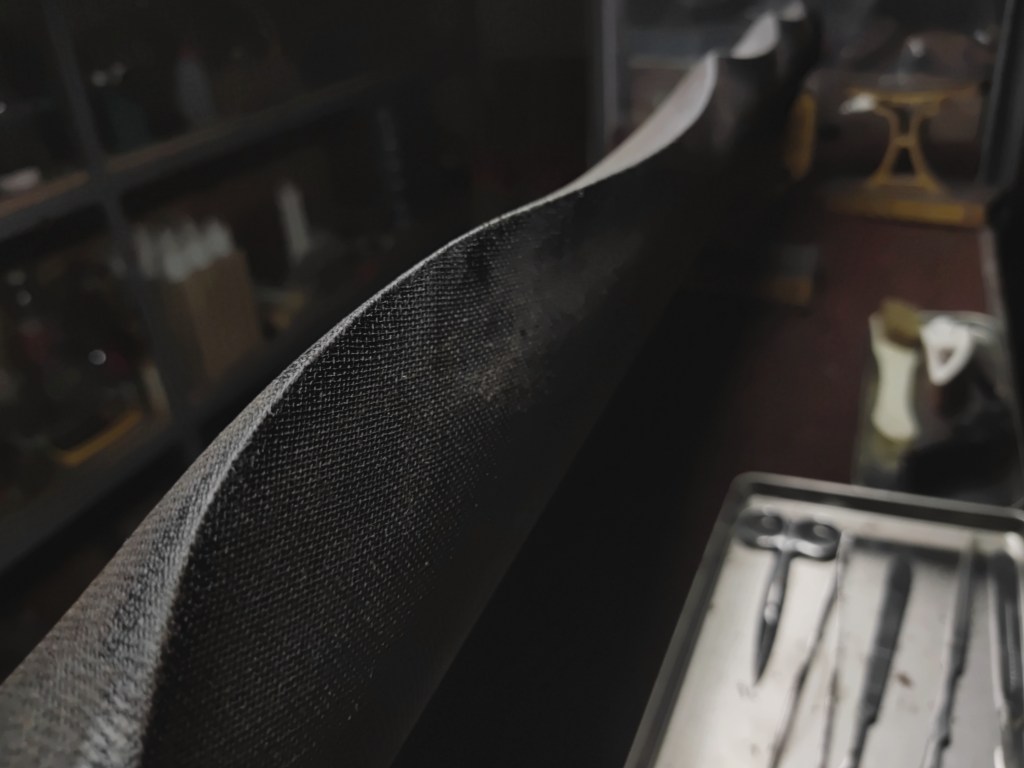
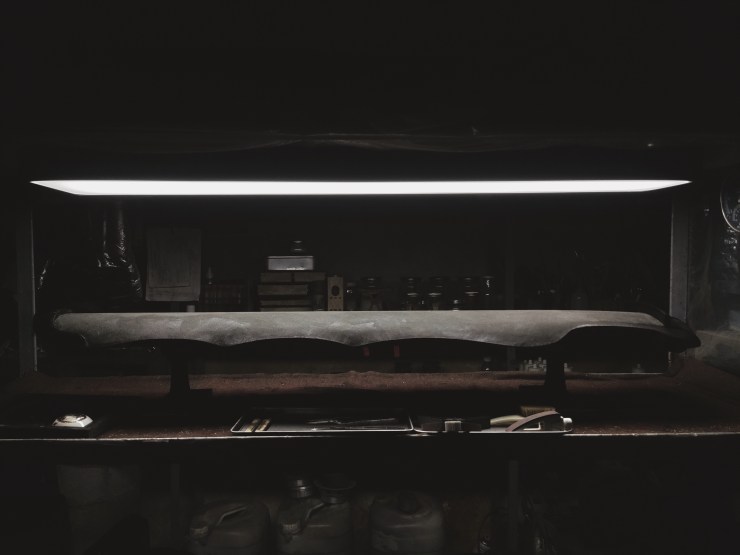
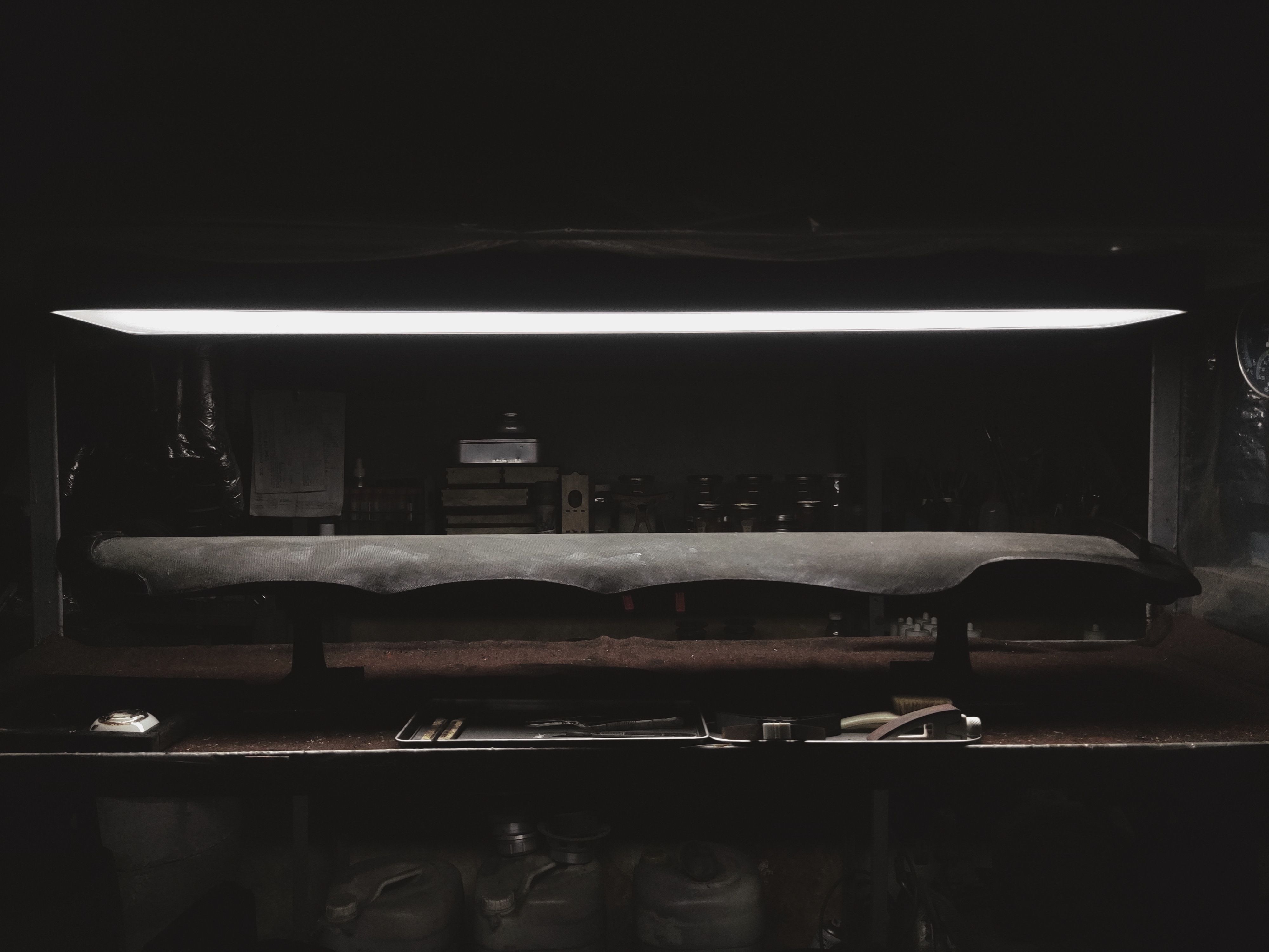
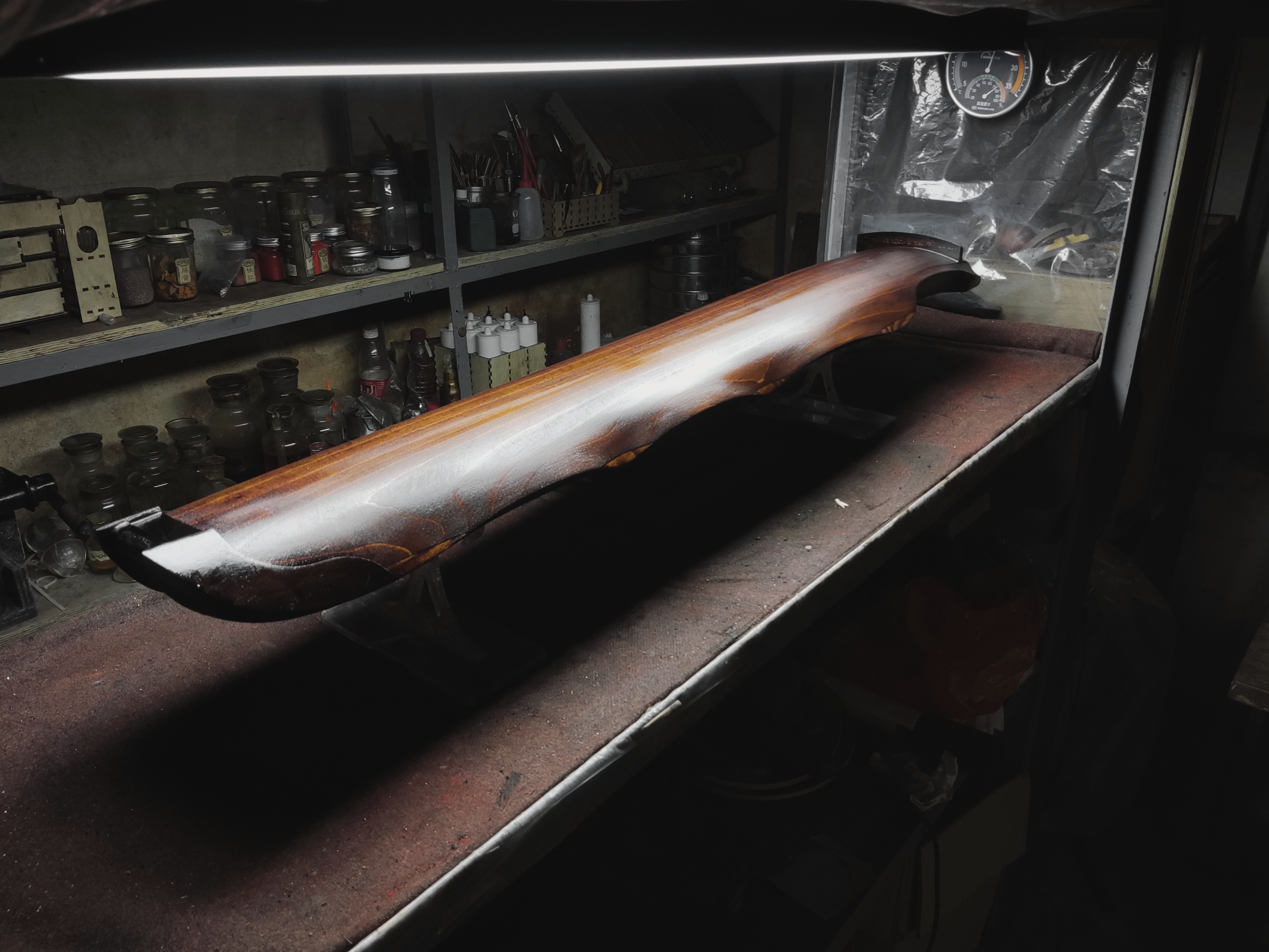
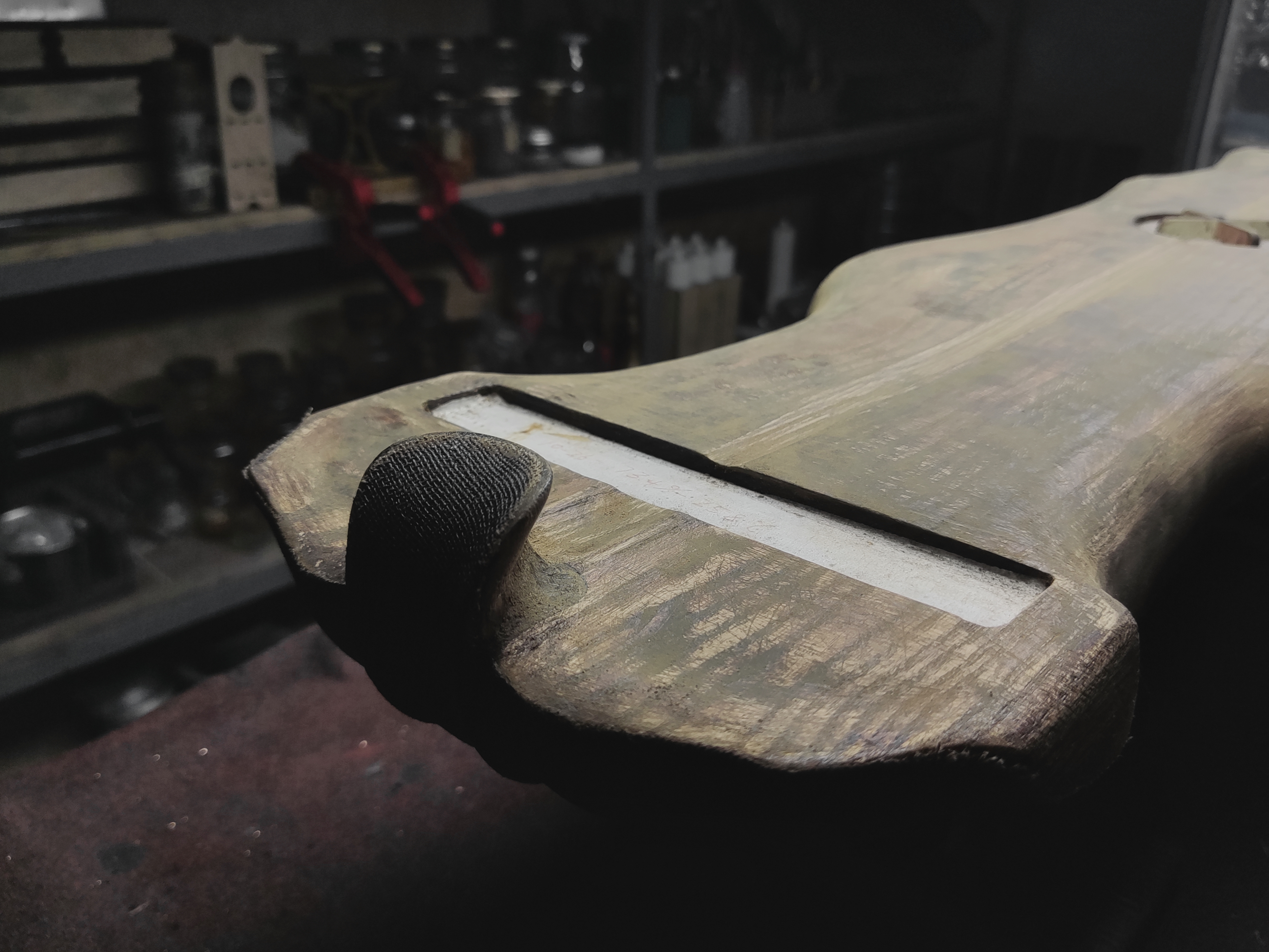
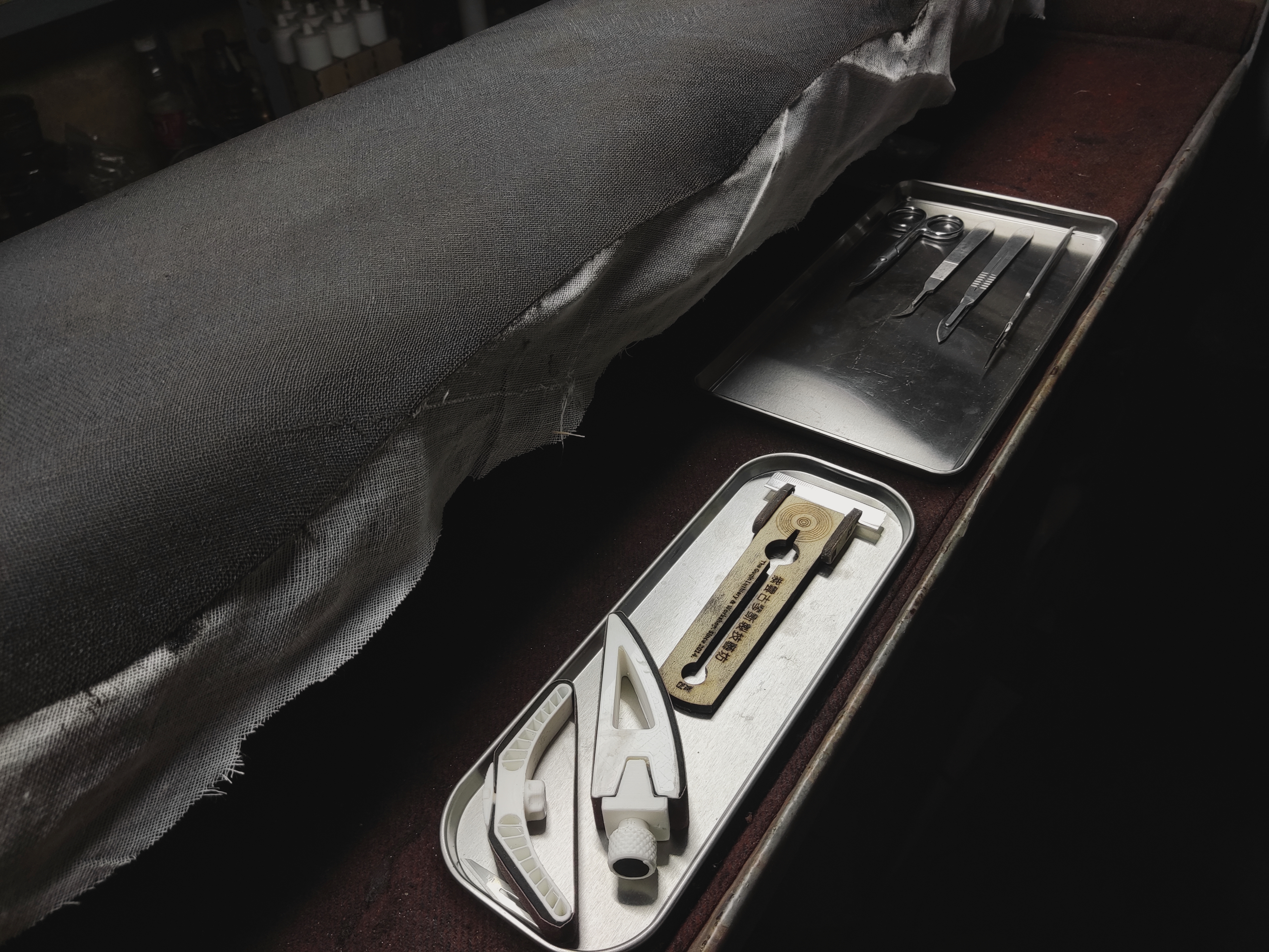
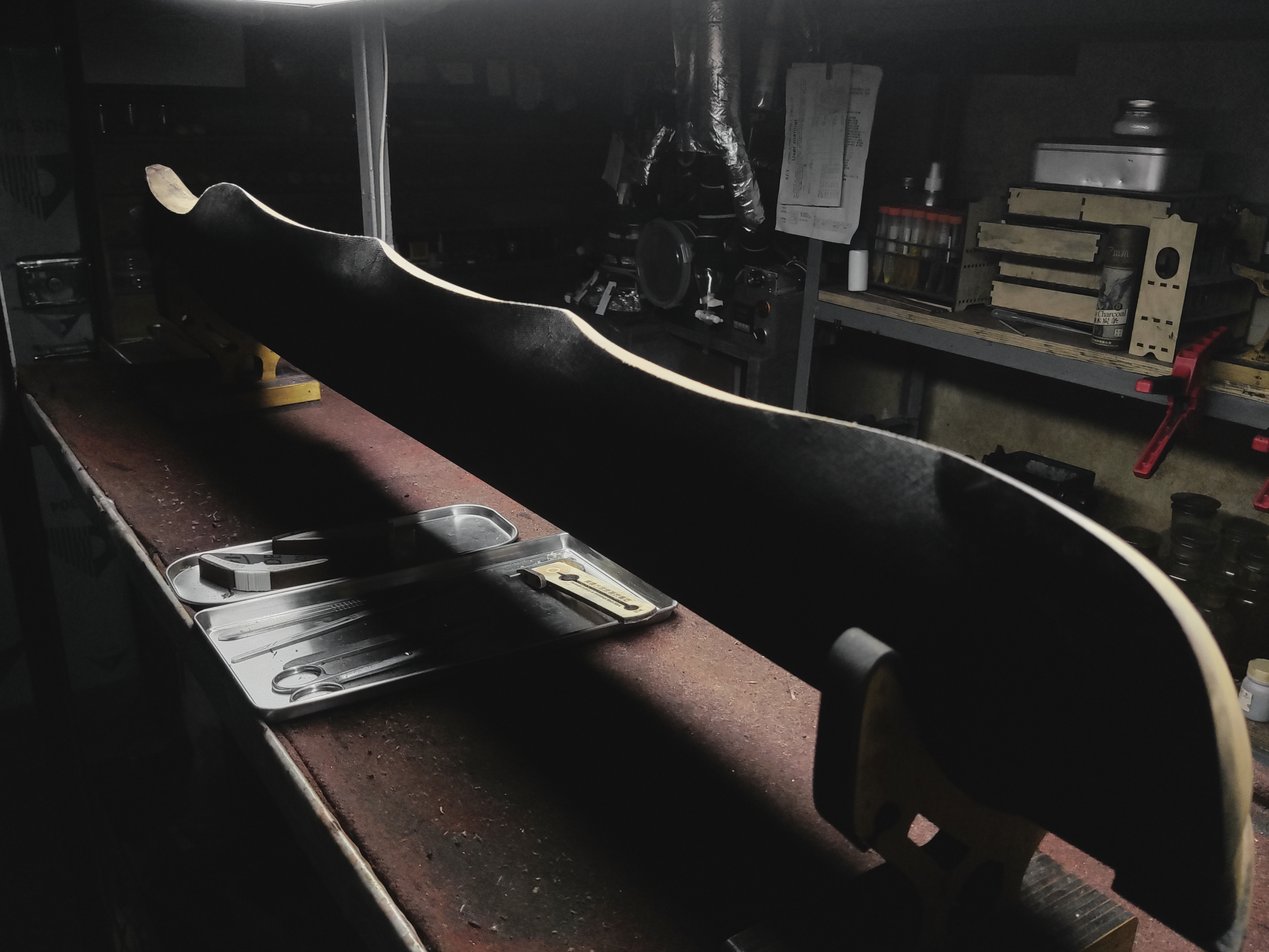
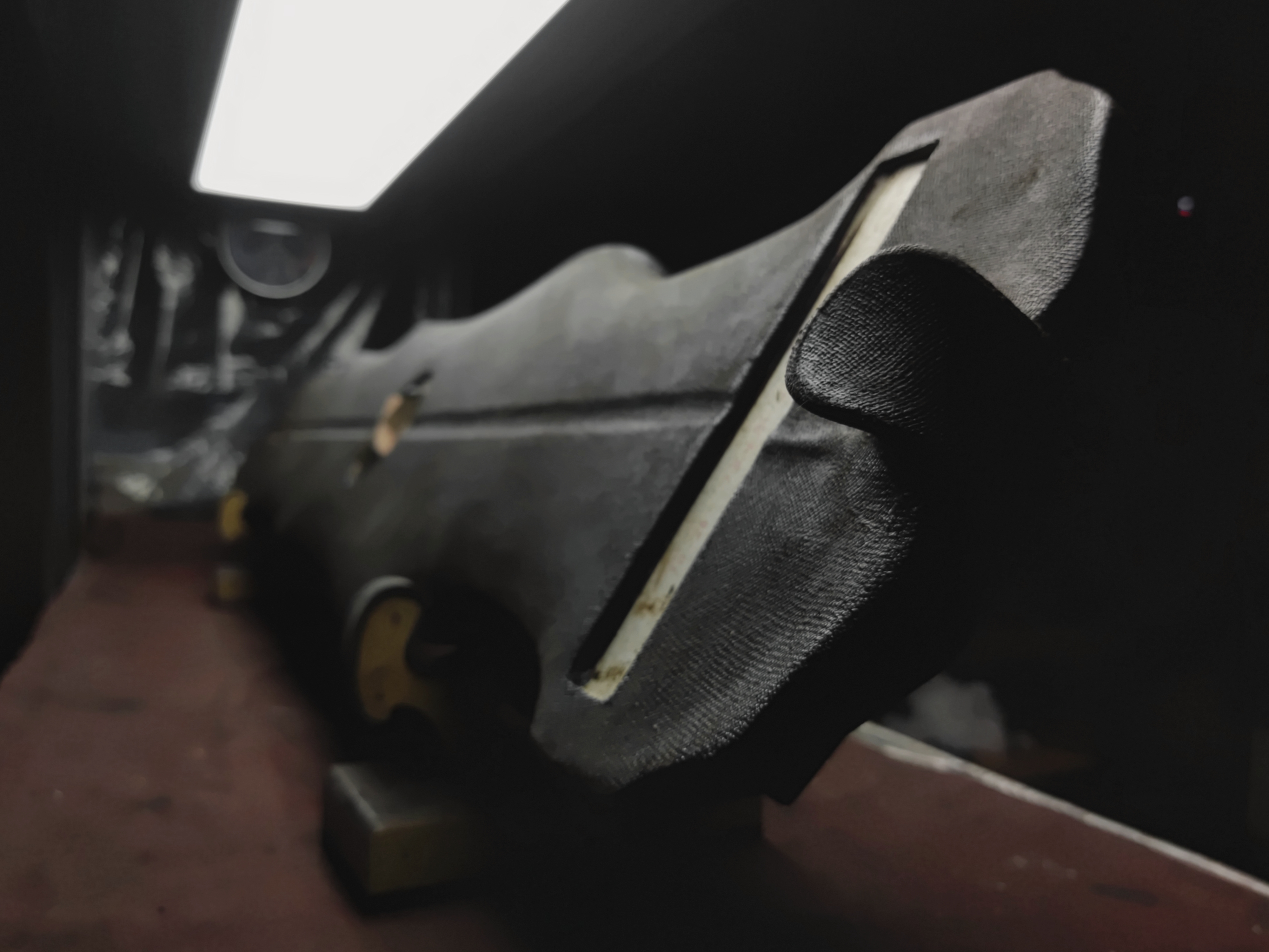
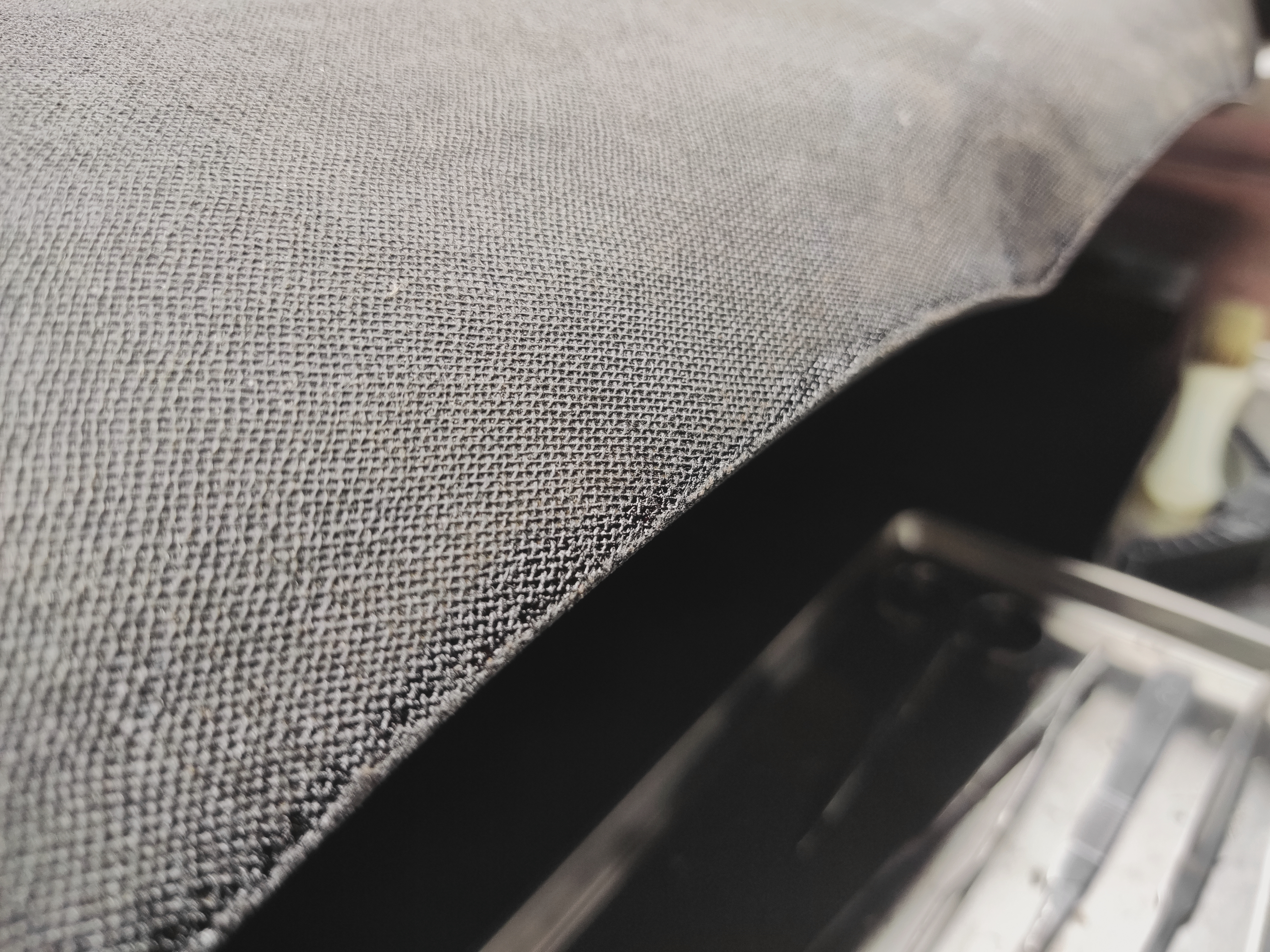
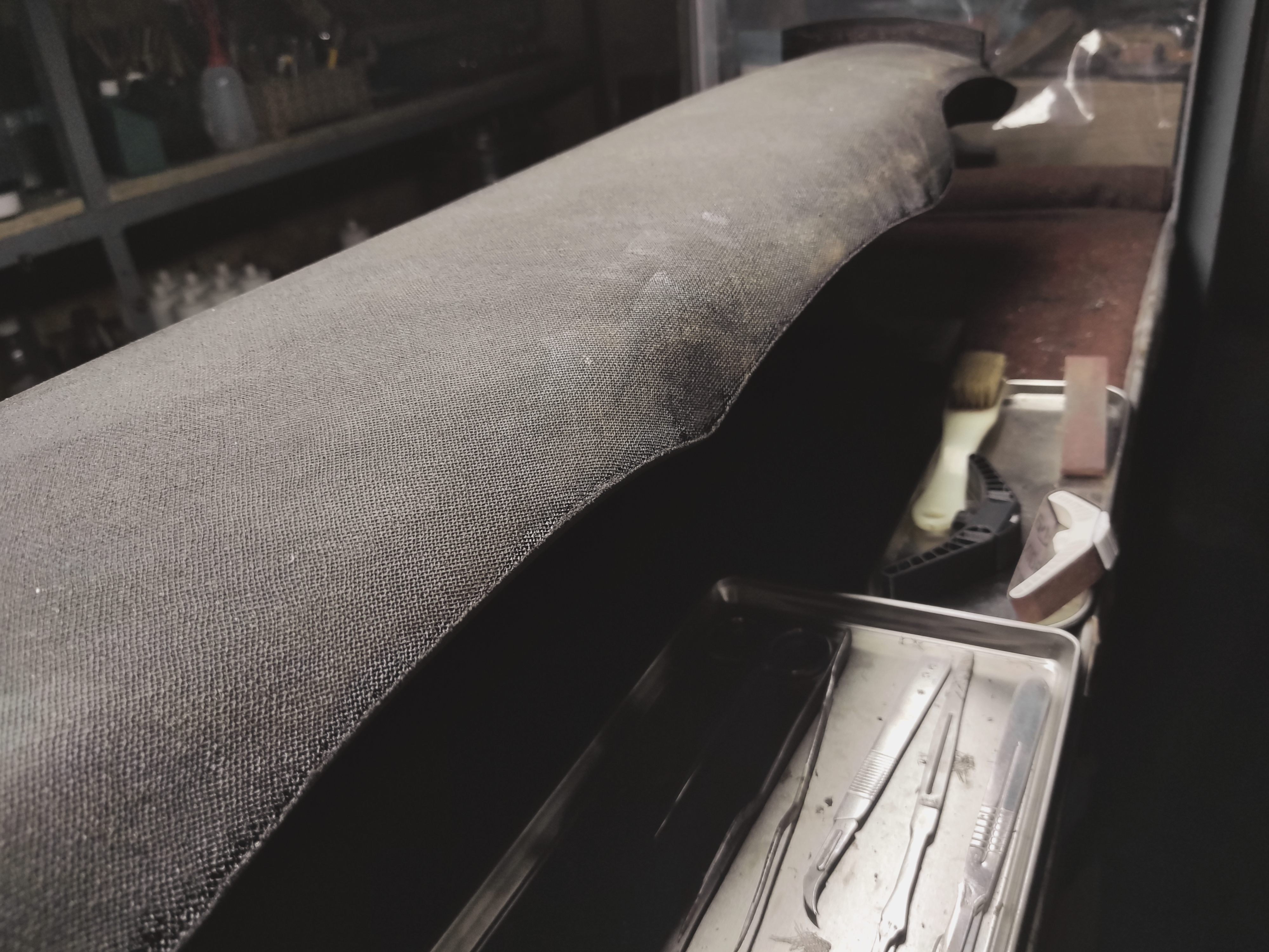
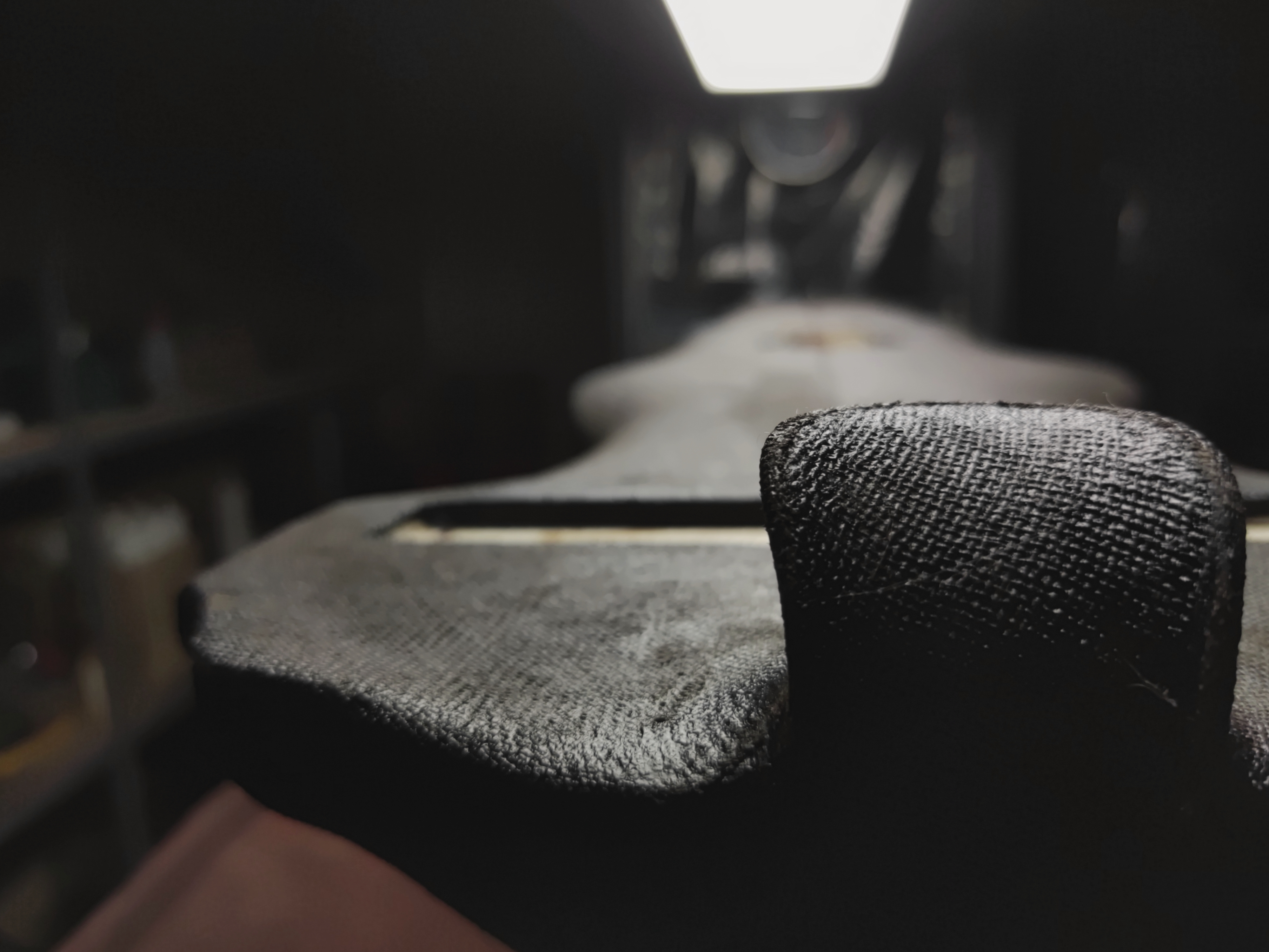
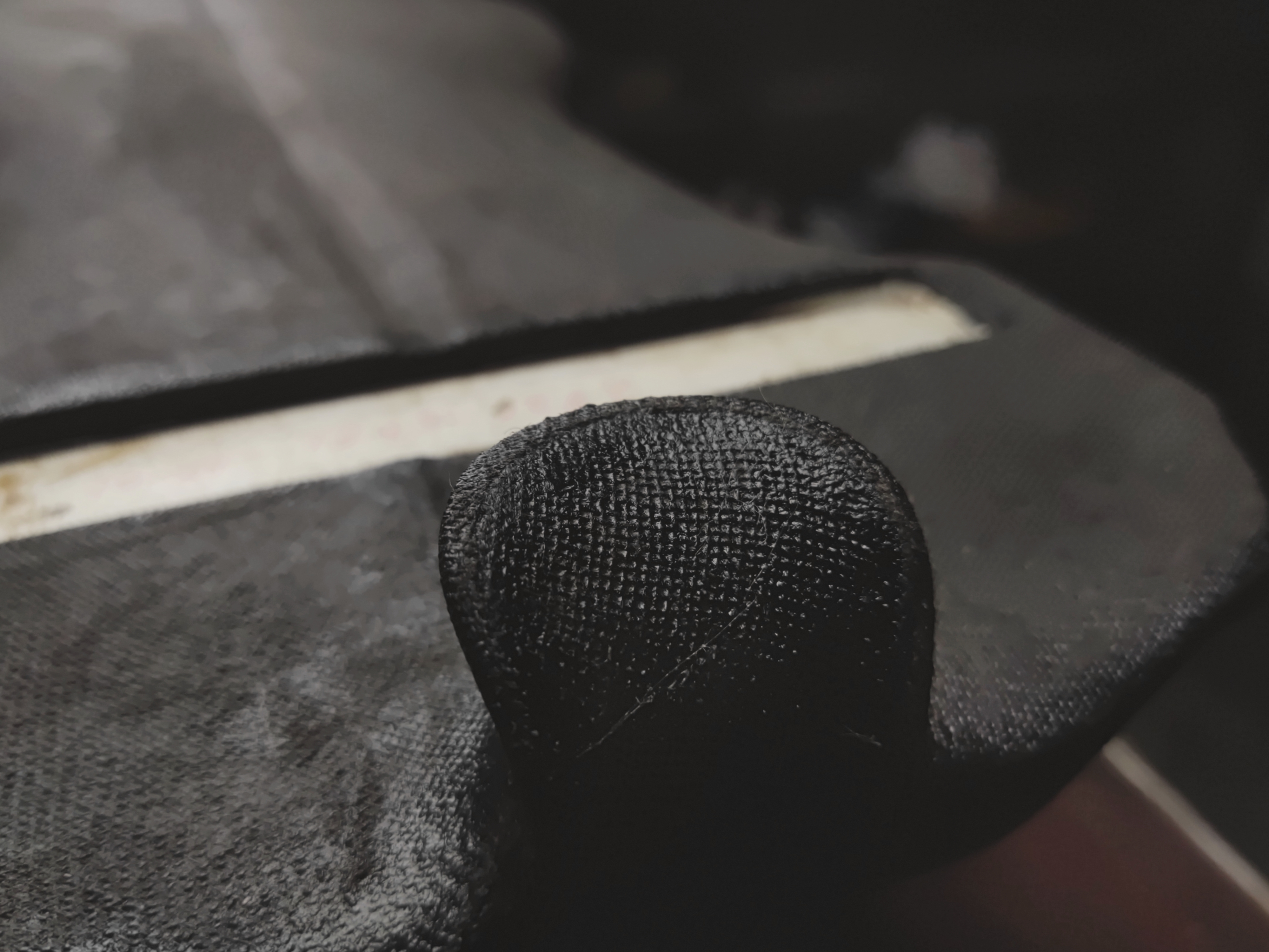
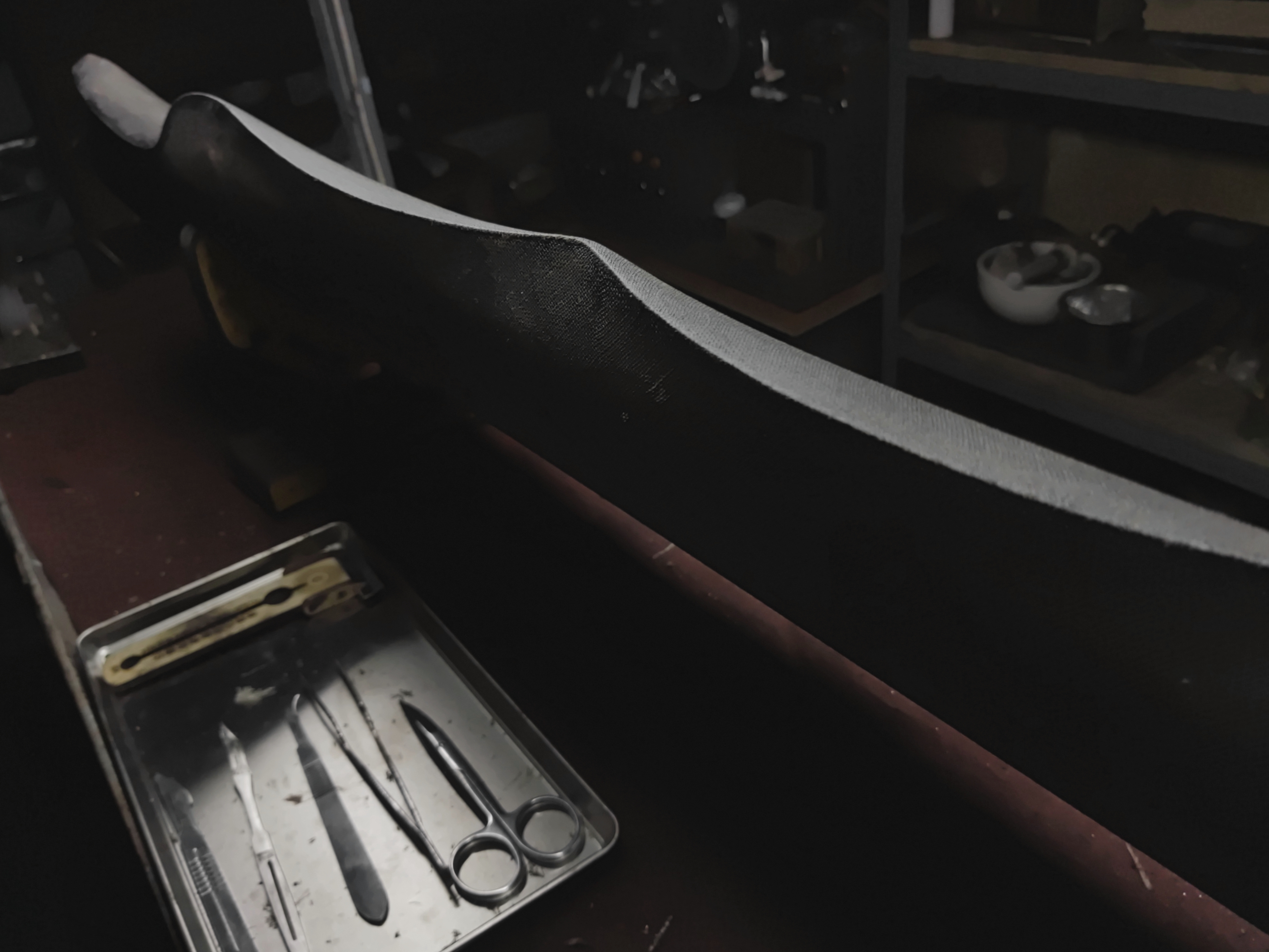
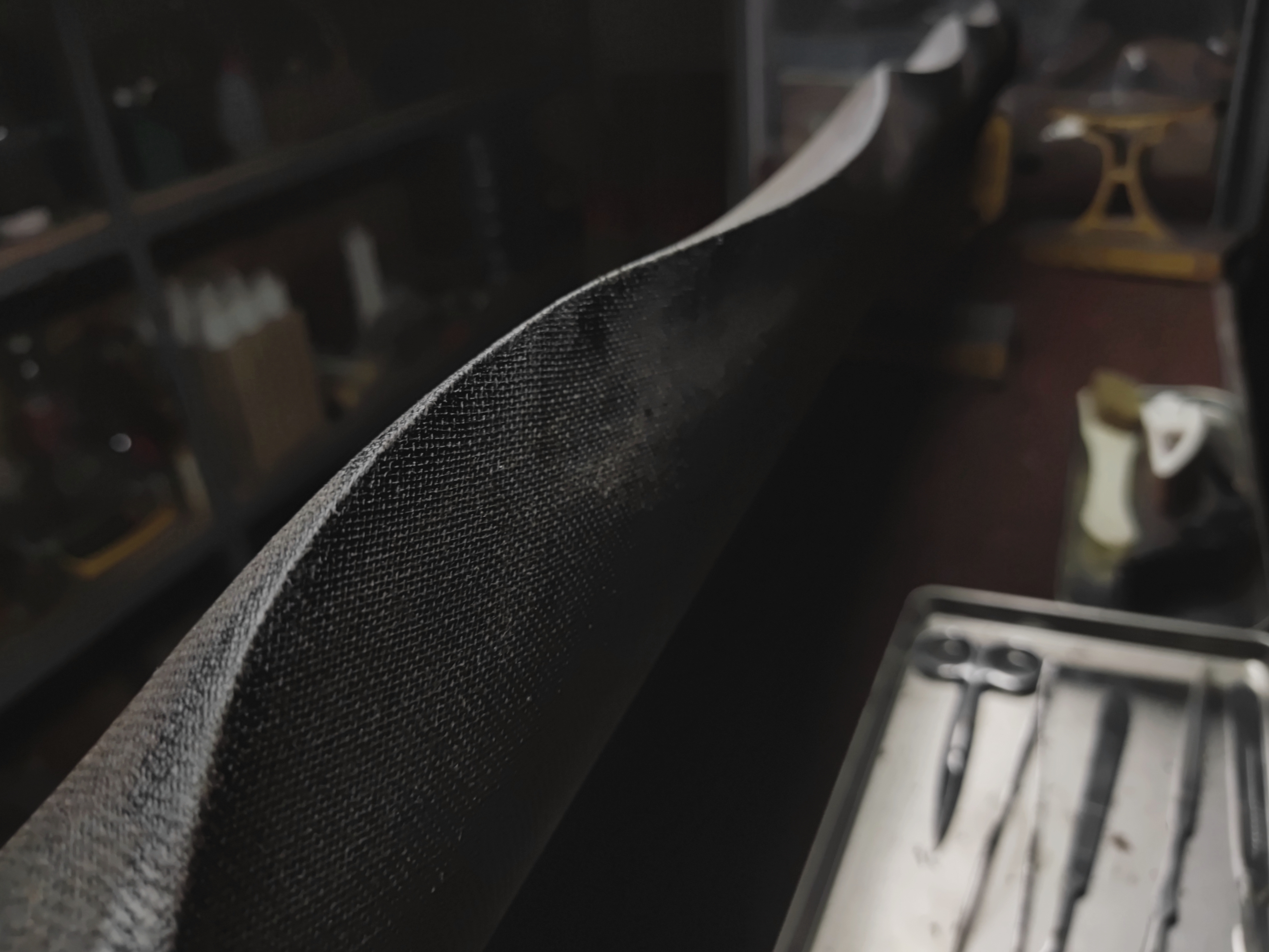
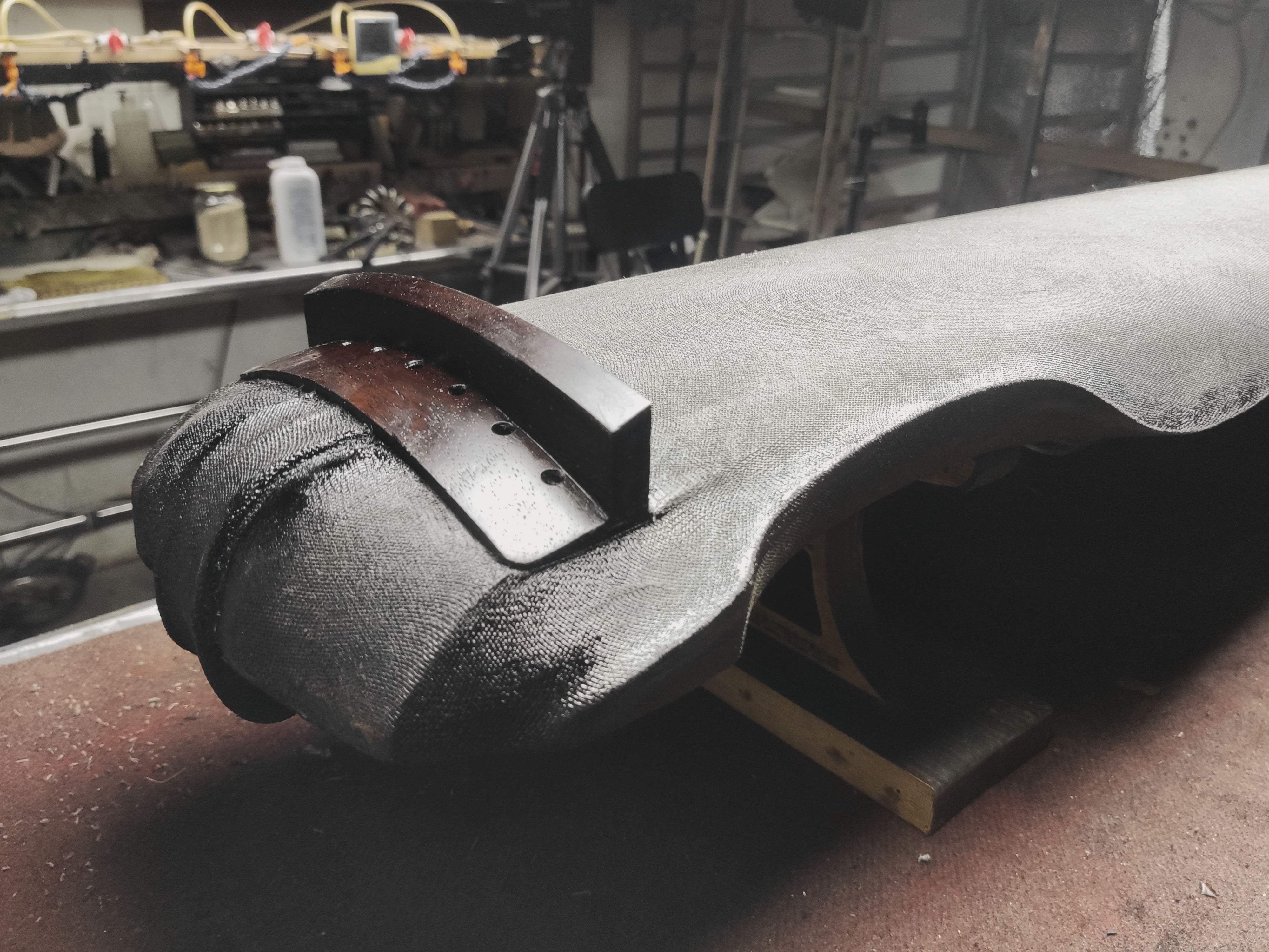
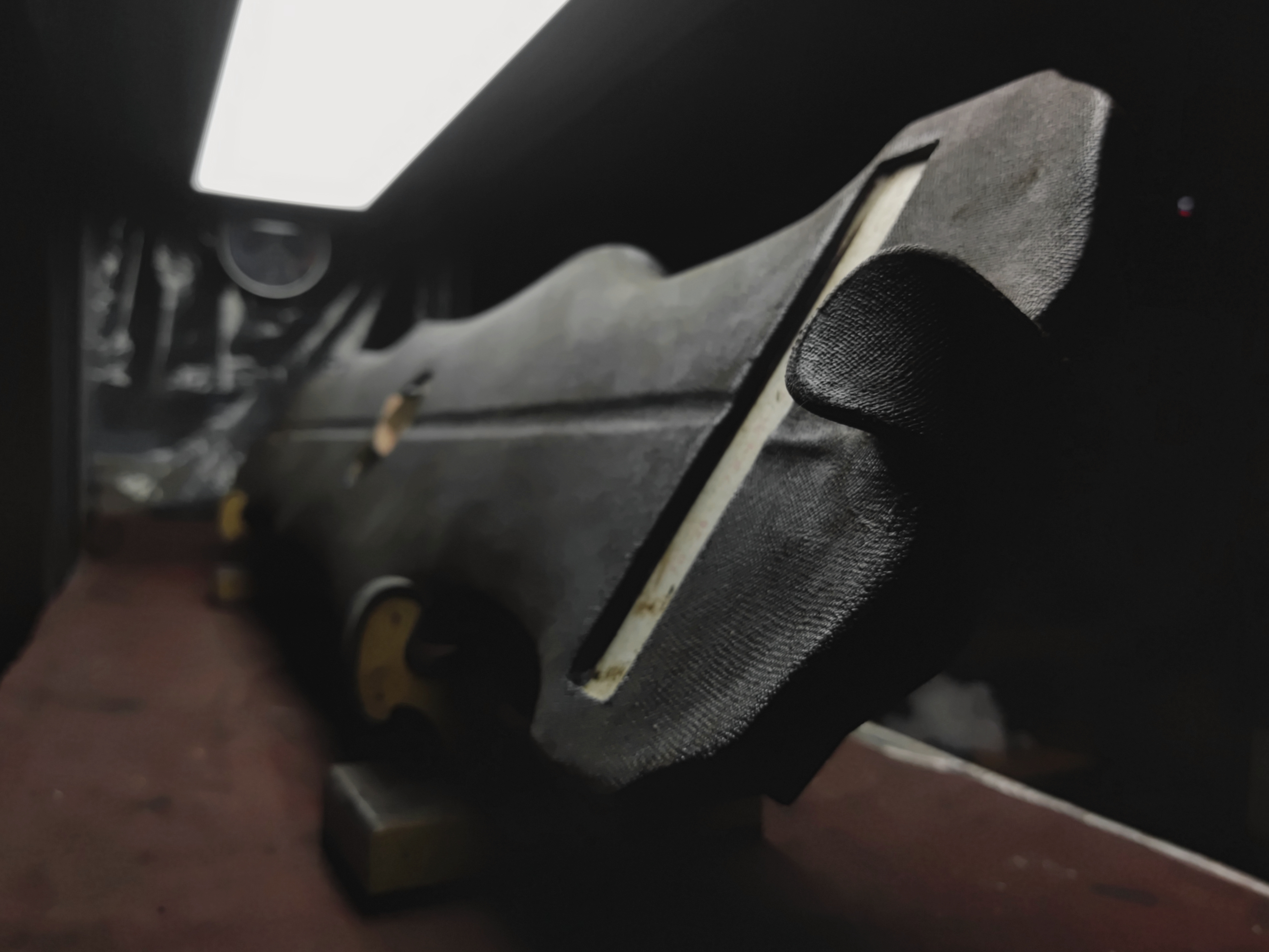
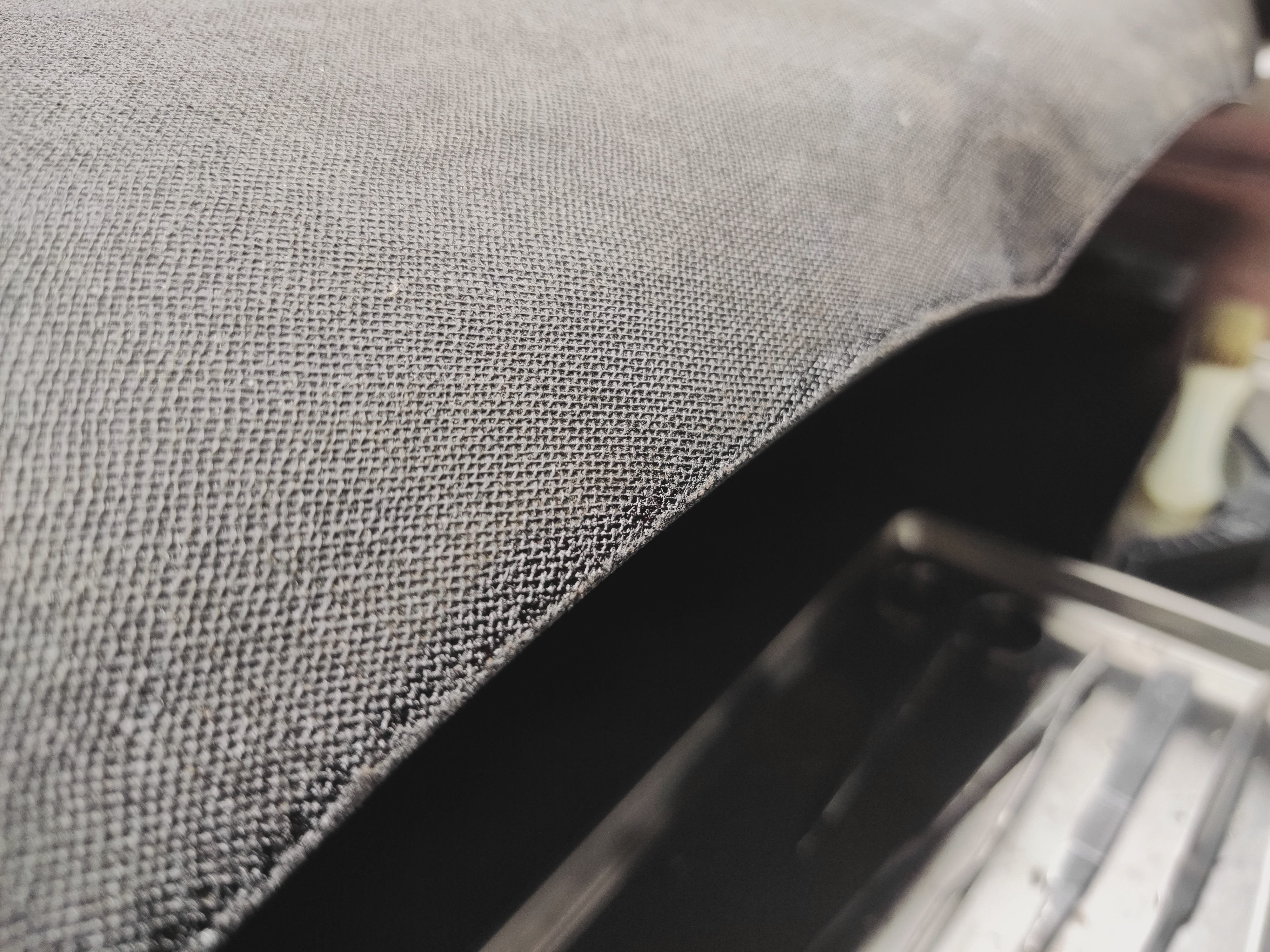
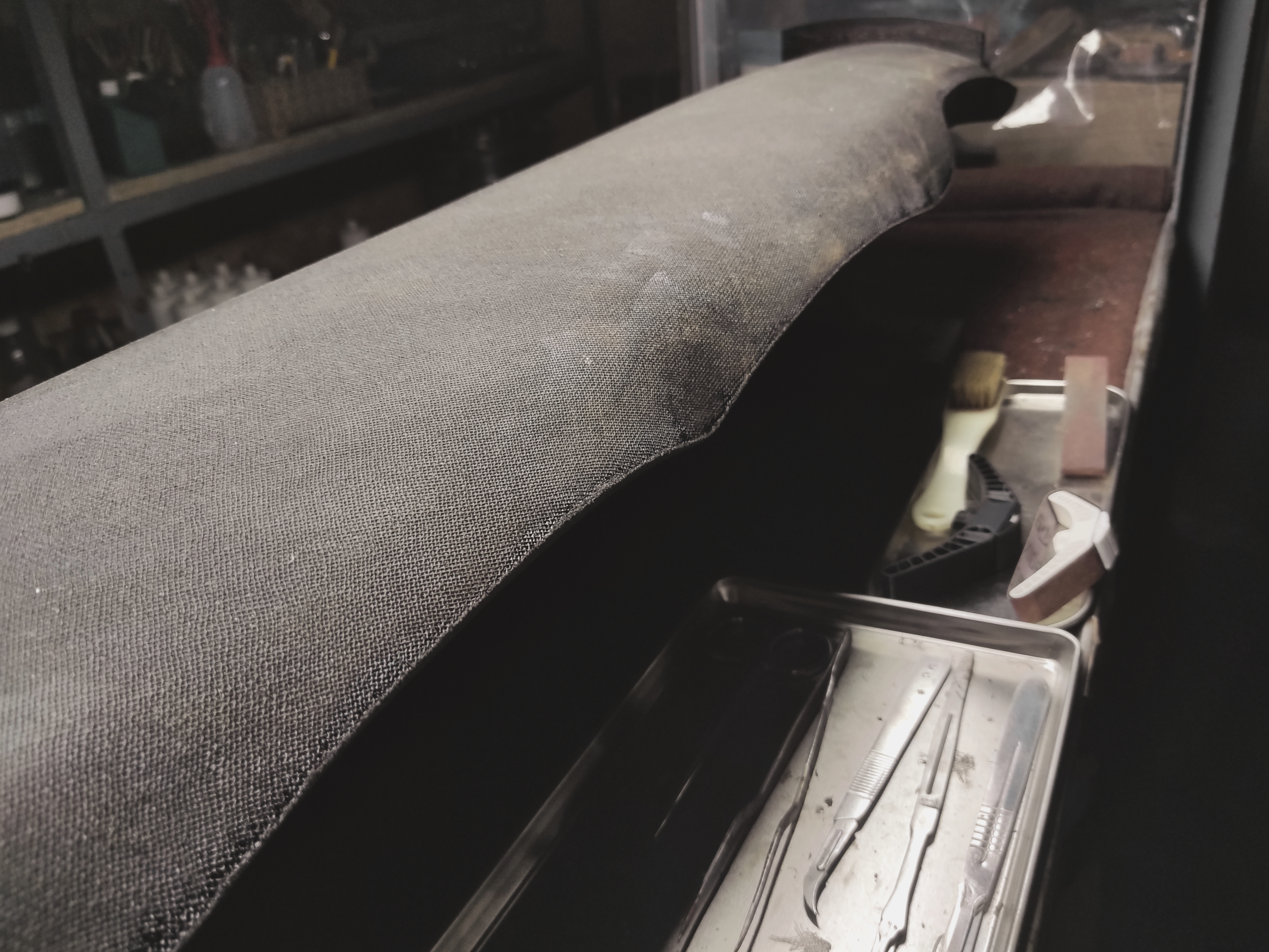
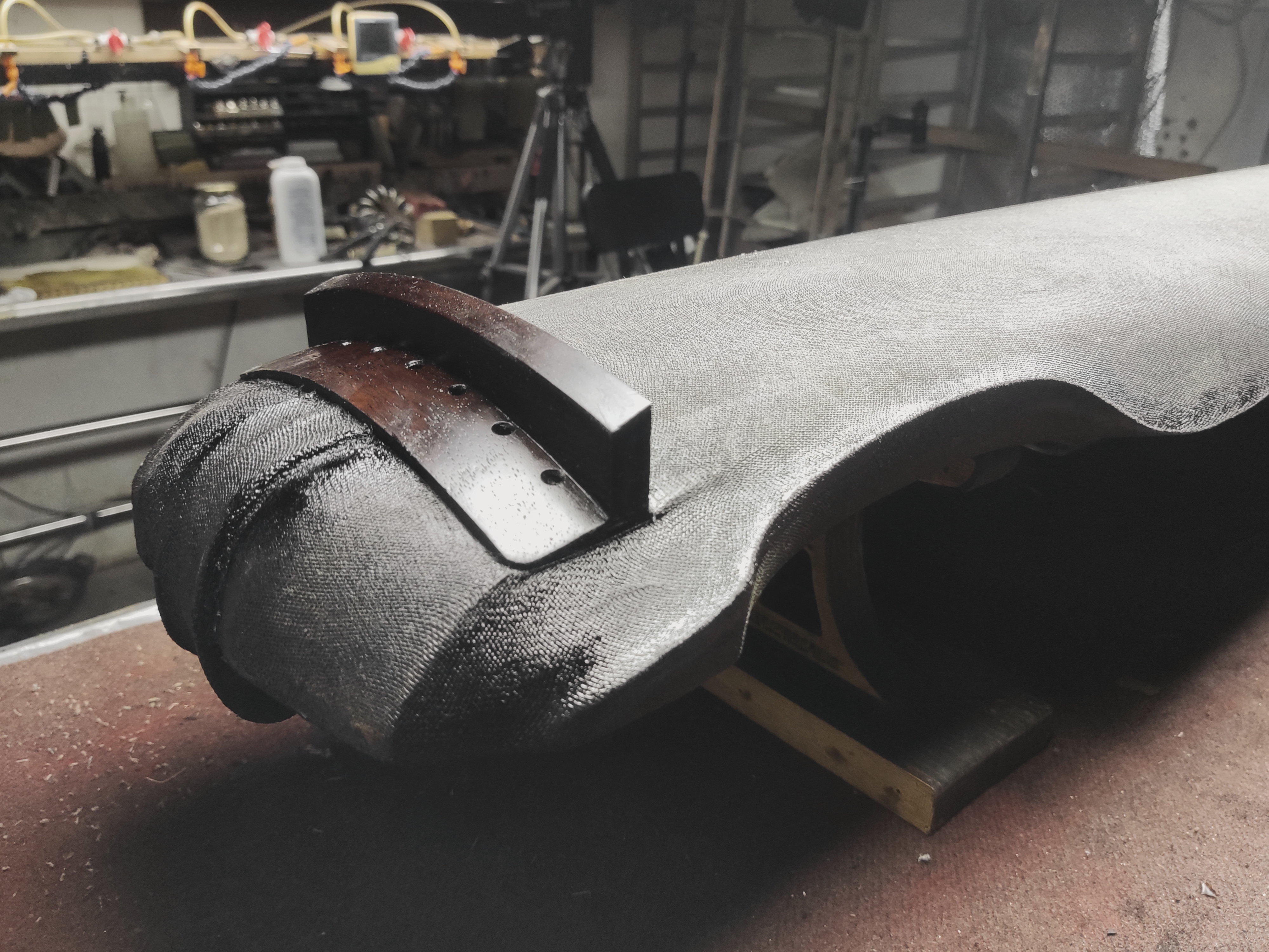
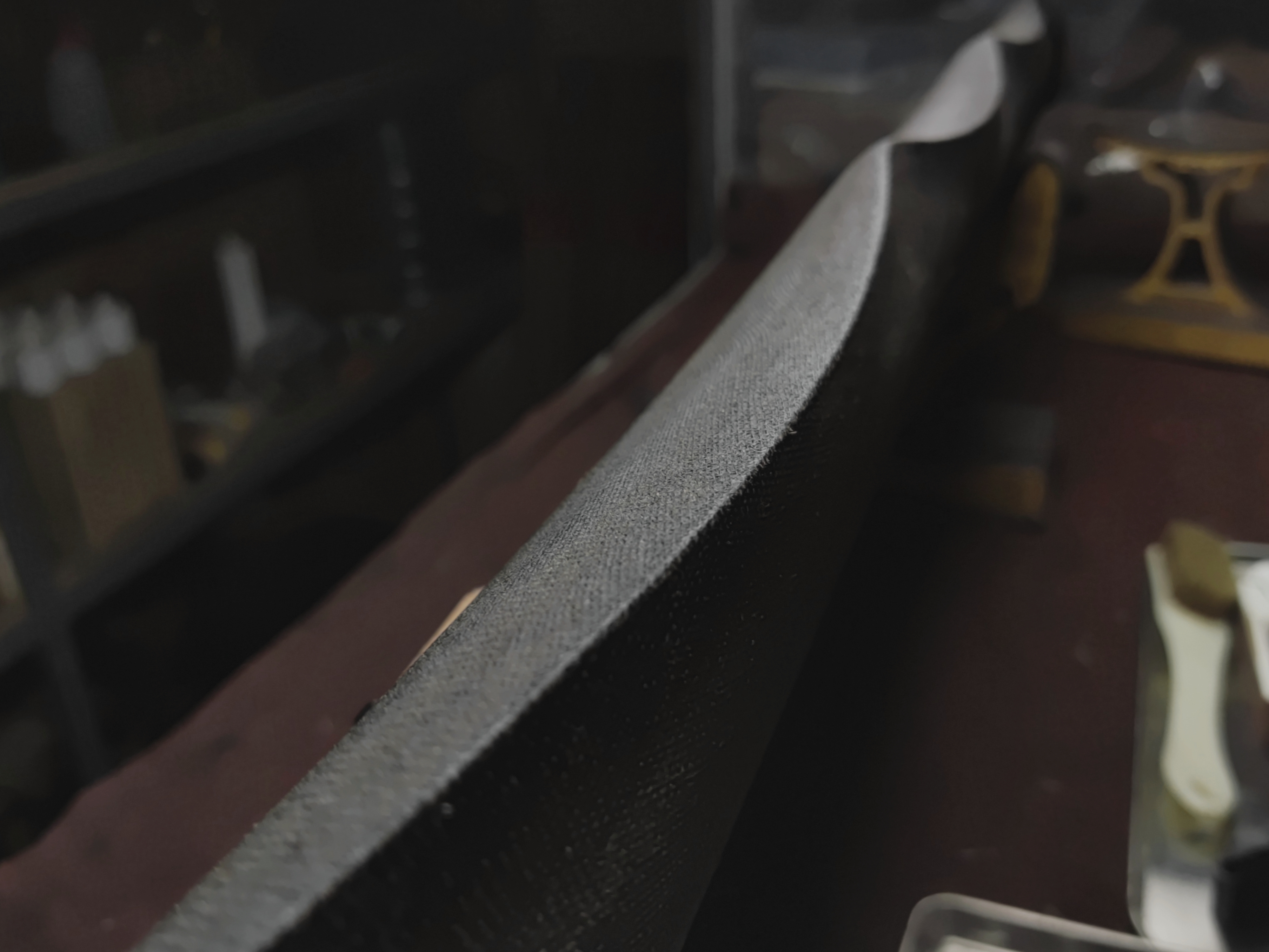
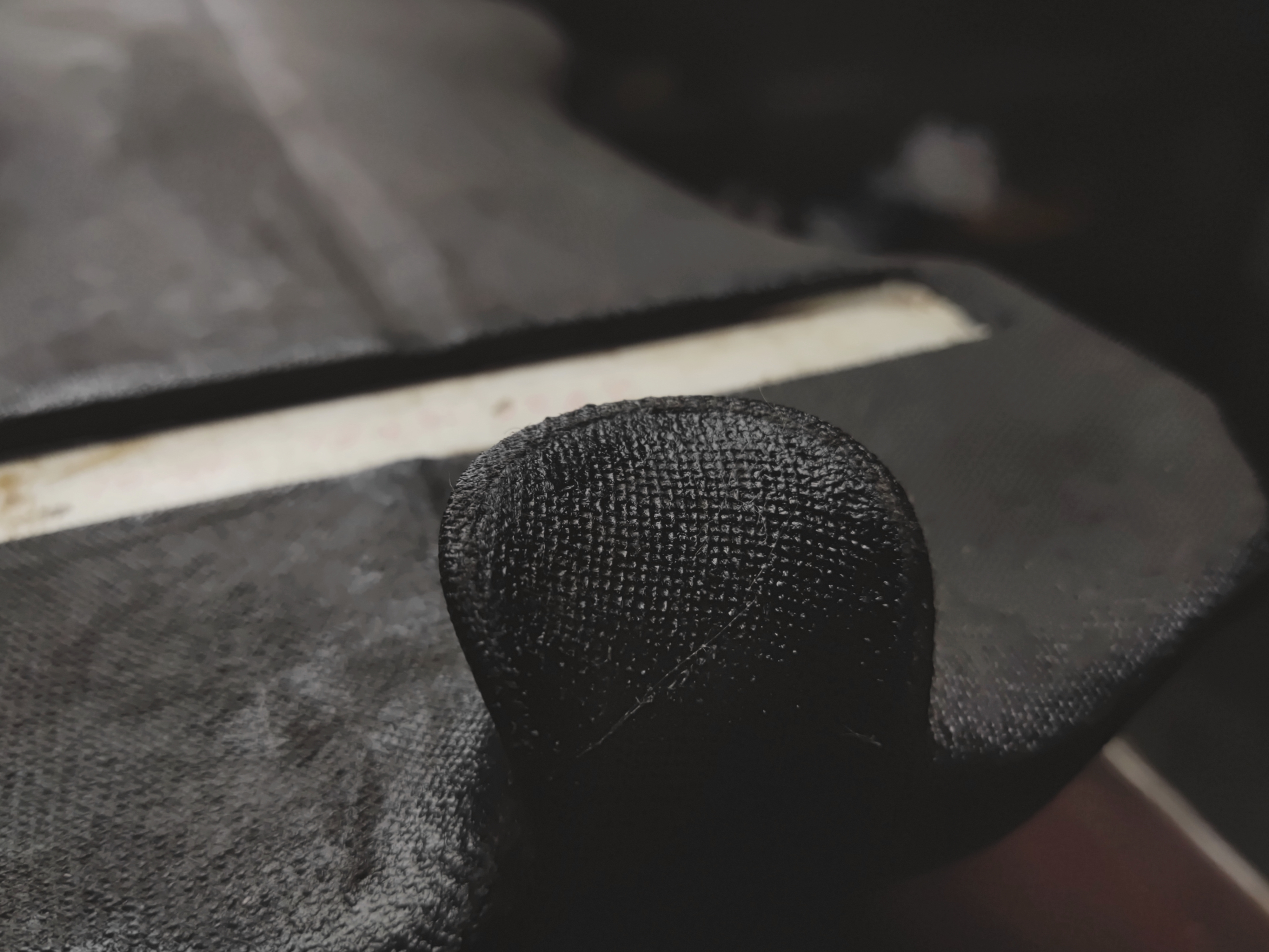
古琴裹布承上啟下於木工與漆工,是古琴製作完整過程中的一個里程交匯點,並作為古琴形態氣質的最終定版。古琴裹布的工藝也影響著往後一切的精度,而接著下來的工作則以漆與打磨交替循環作為調音工作的主導。
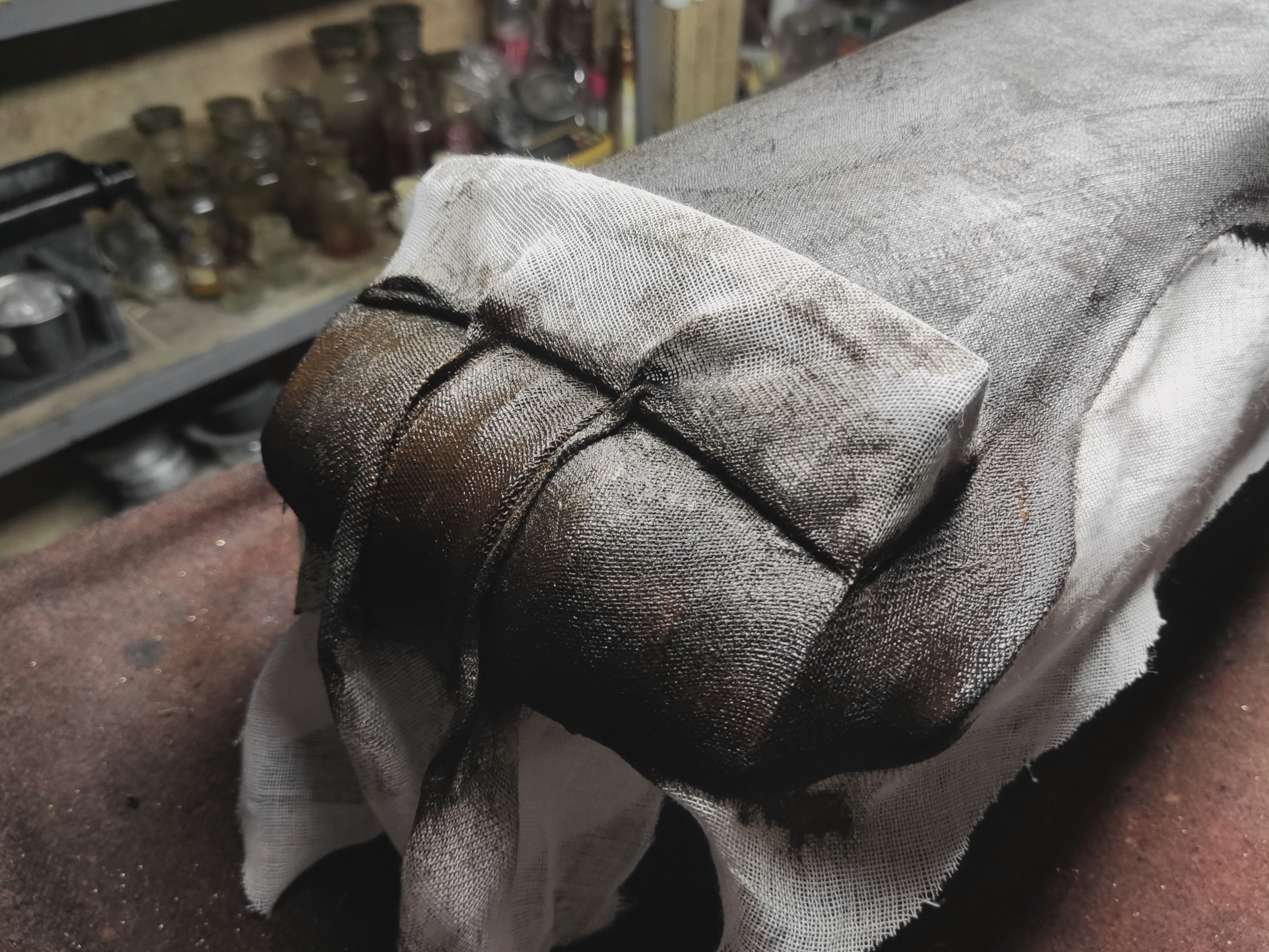
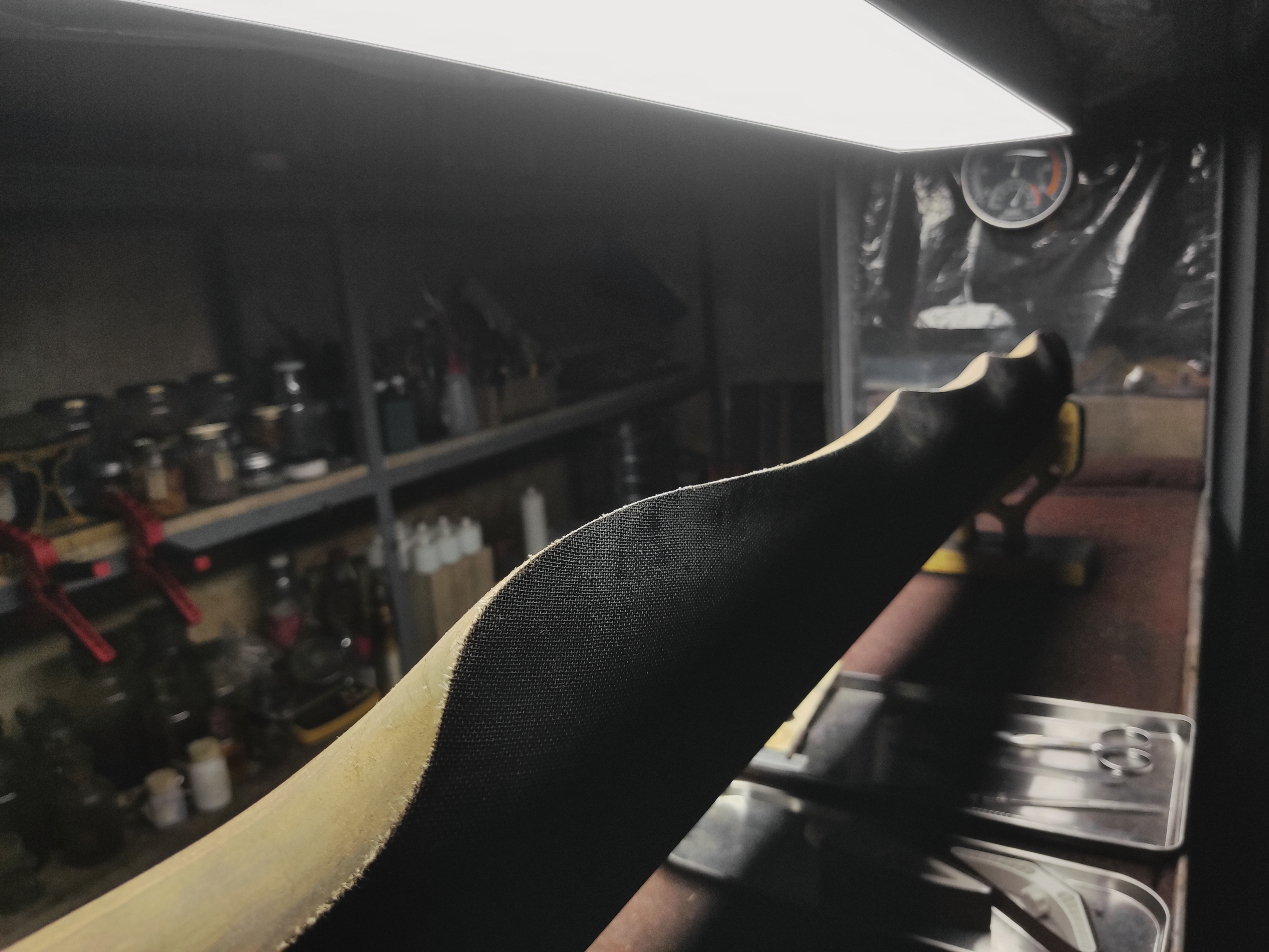
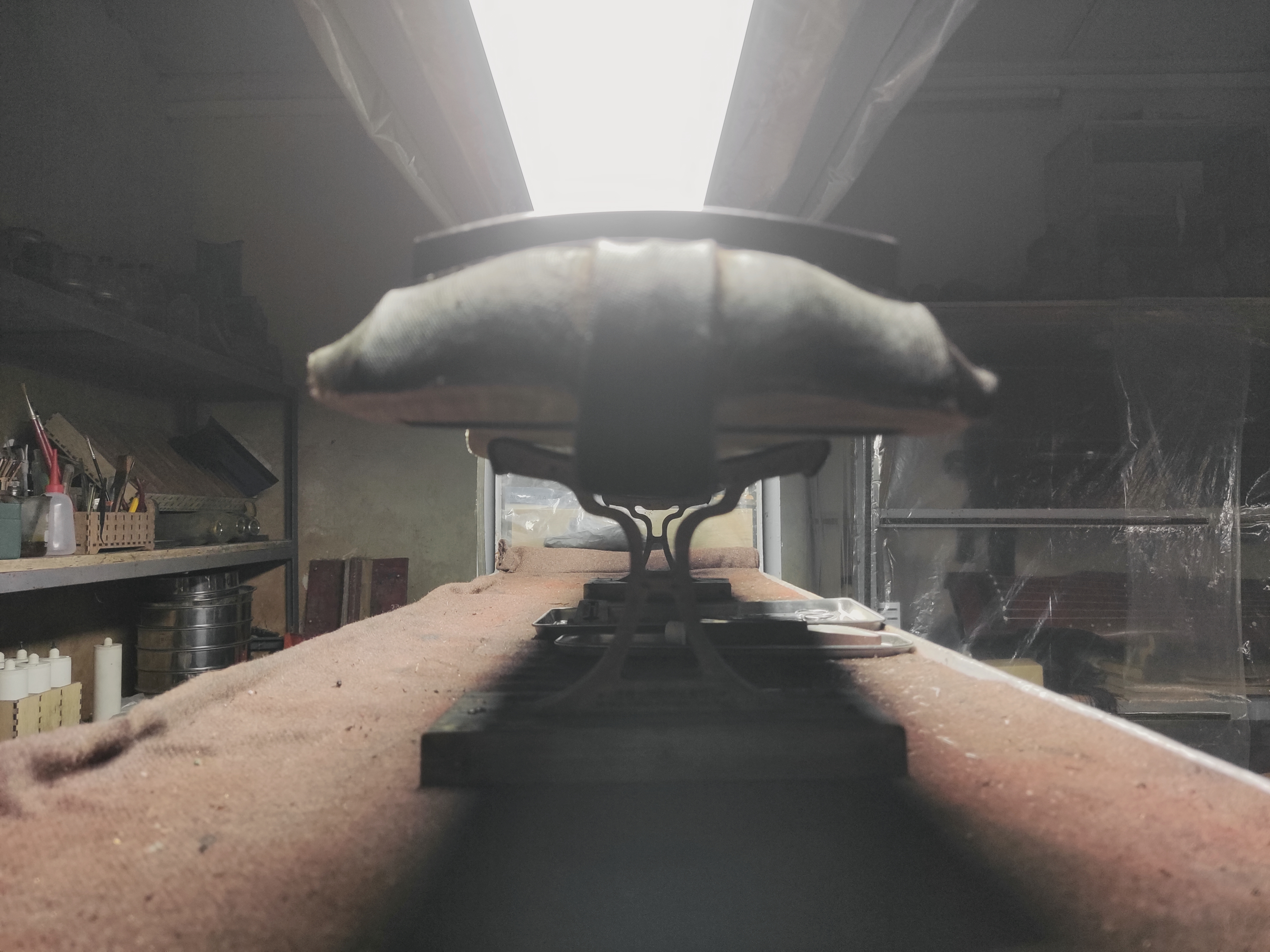
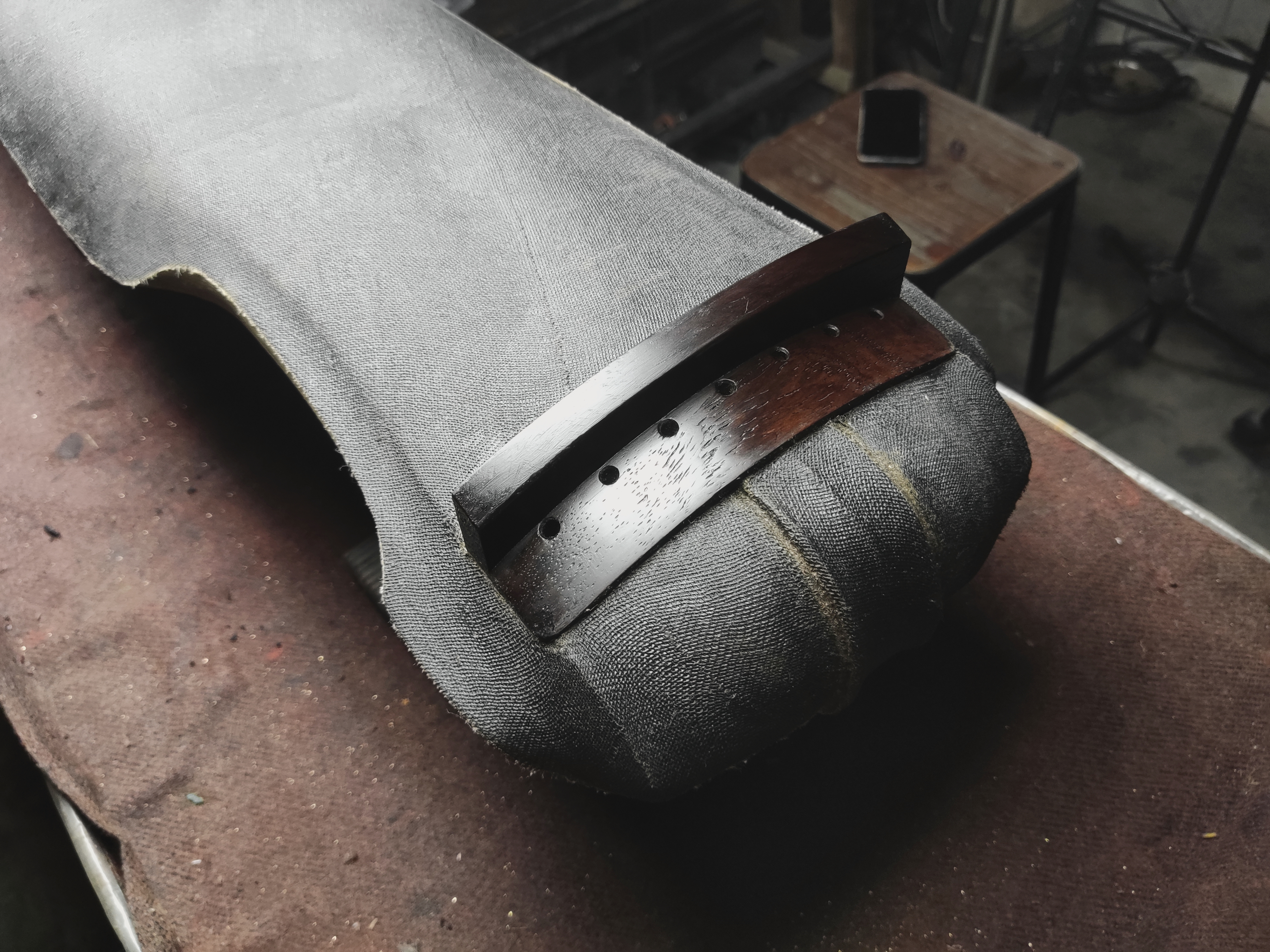
裹布工作階段可因應古琴木工與調音工作而進行提早或押後,而古琴面板、底板、邊牆三個構面也可以因應經驗與或取捨而錯開獨立進行。其操作方案主要有三種:1.琴身整體同時裹布 2.先裹琴面後琴底 3.只裹弦路。雖然前兩種方法大同小異,但也會在調音、操作、細節、精度等多方面各自優點。
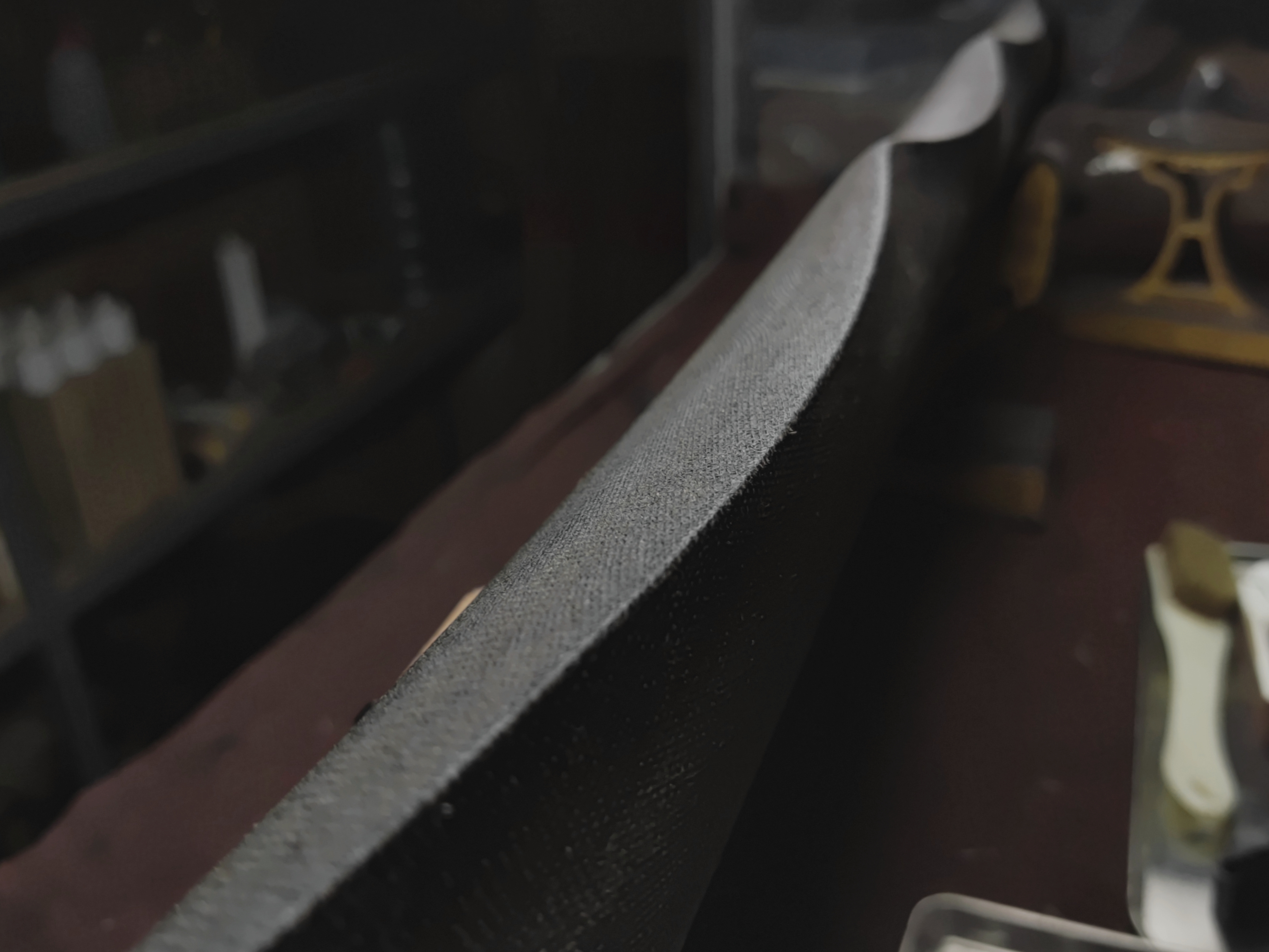
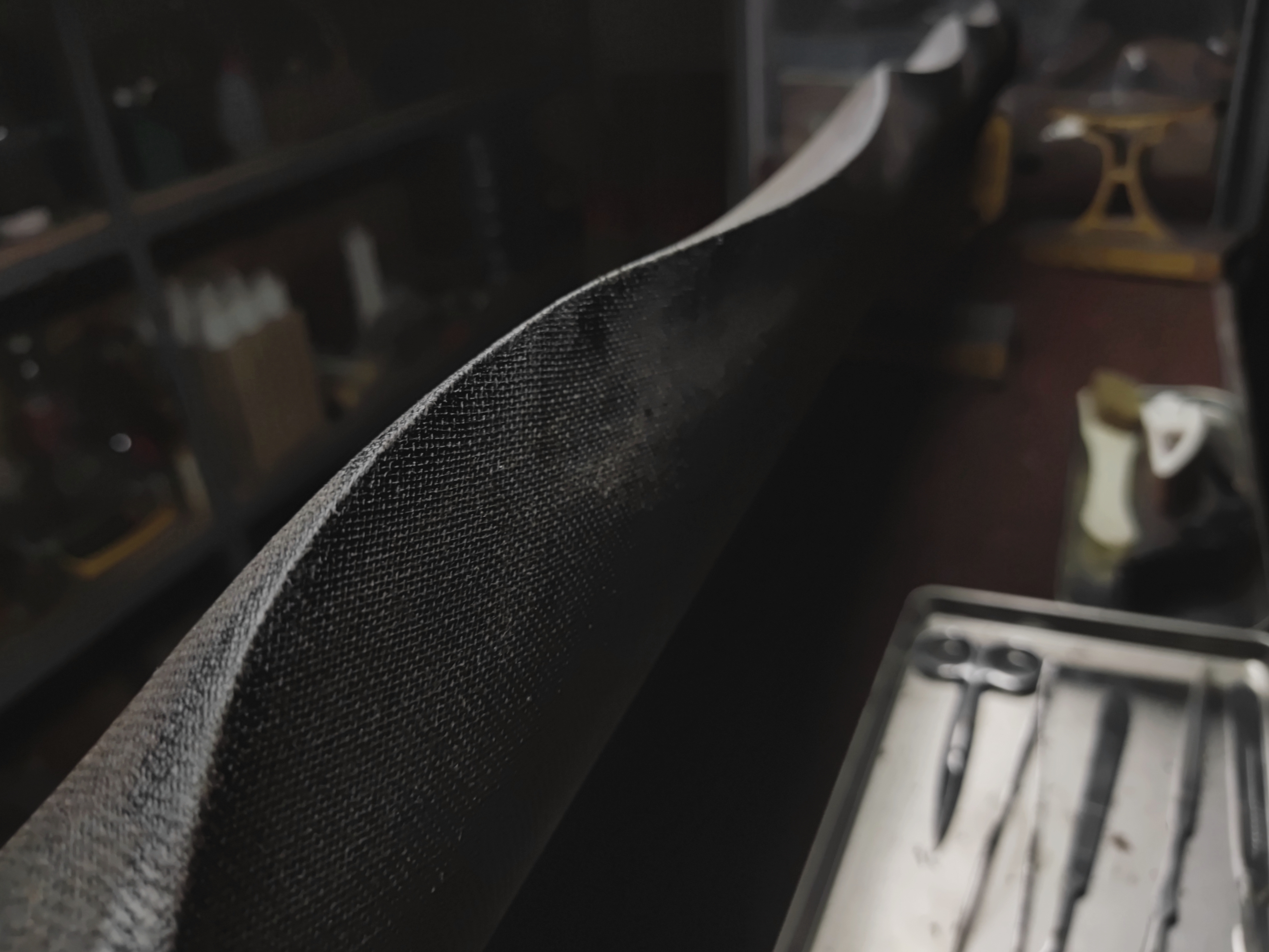
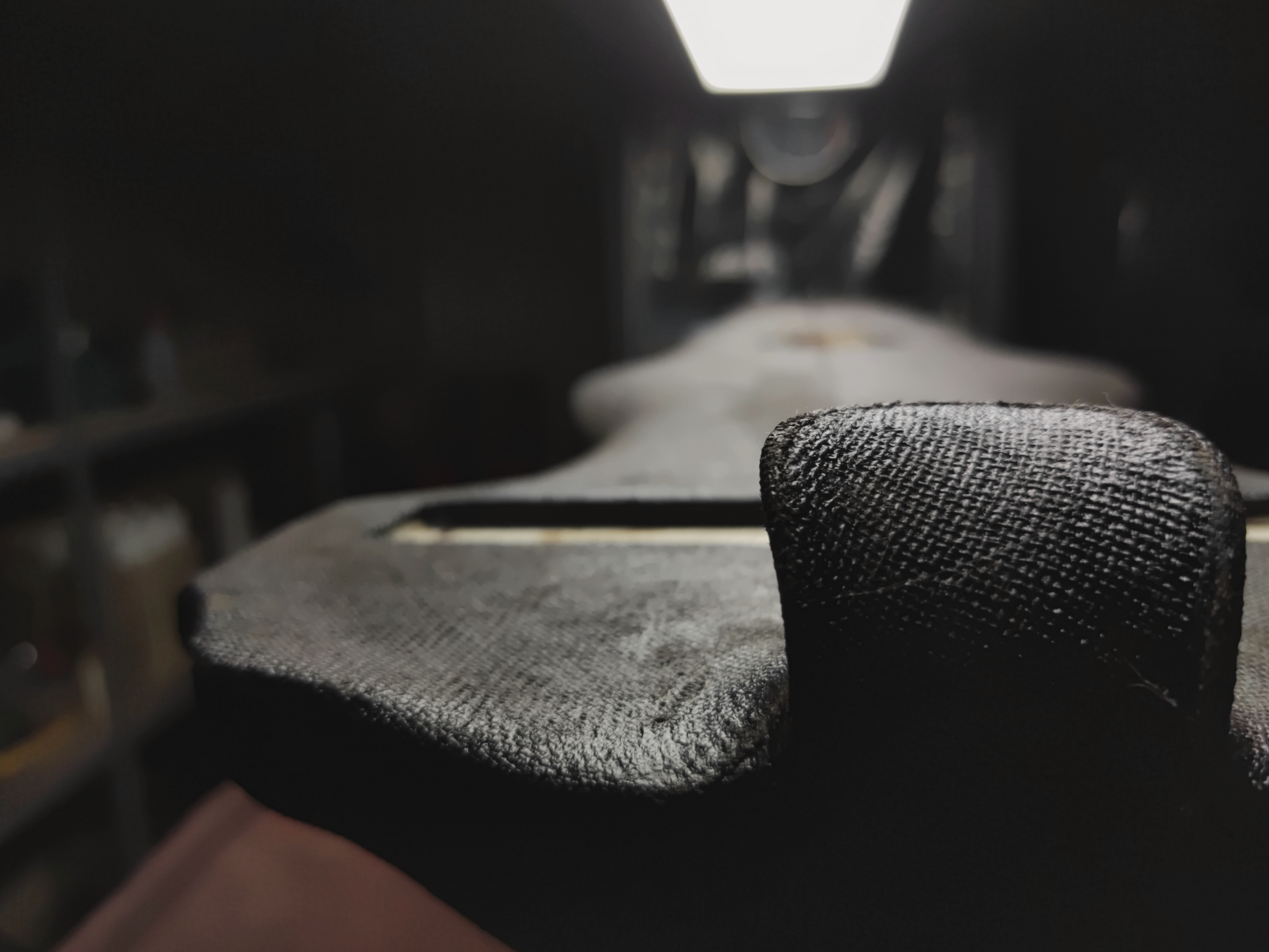
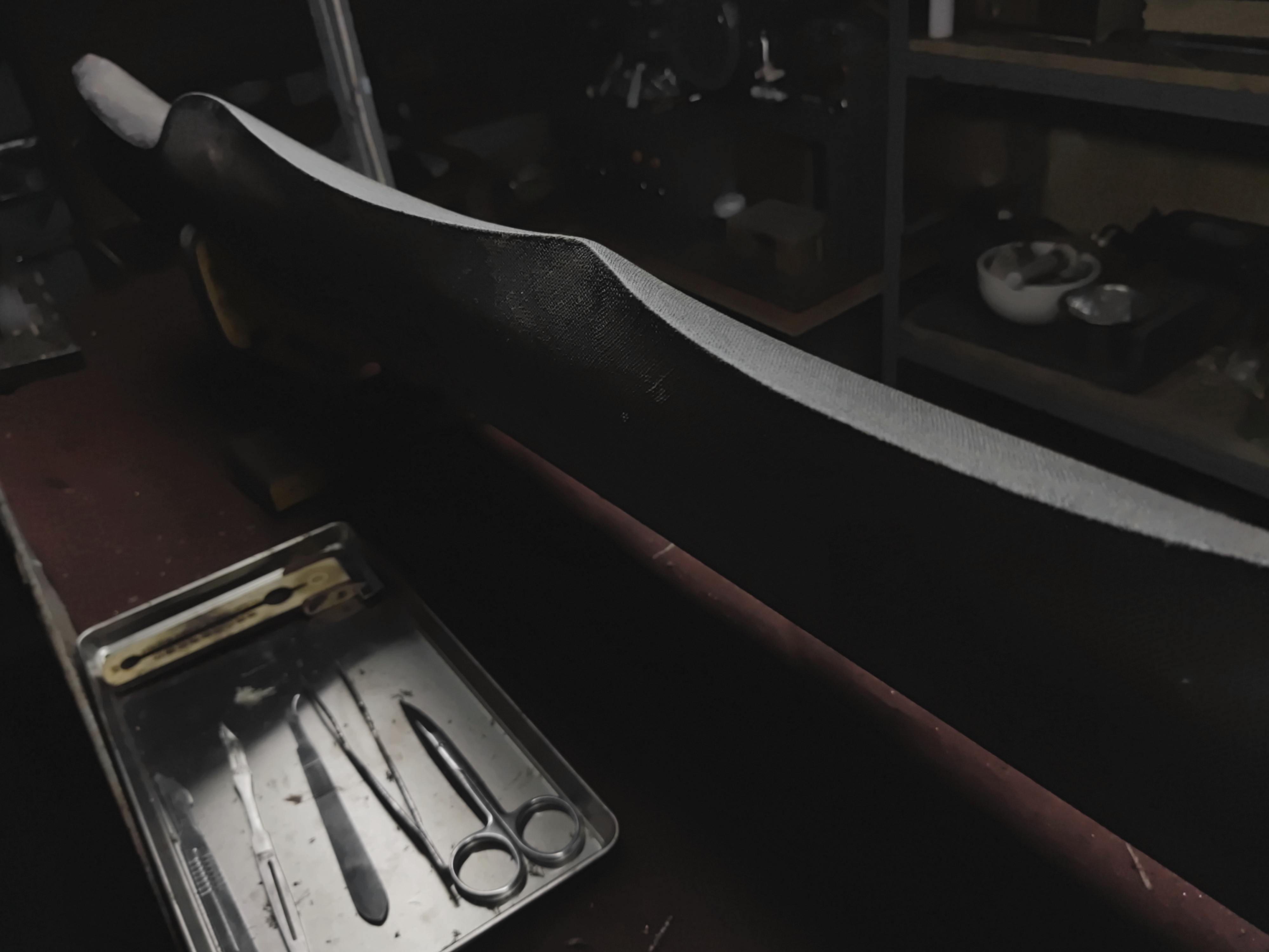
其中蕉葉琴在裹布工作上,其操作難度僅次於洛象琴款。由於蕉葉琴與生俱來的複雜多曲面形態,其裹布工作難度就會大幅提高。裹布前需要規劃古琴的構面分界線並作為布邊縫接處,合理錯開面板與底板的裹布時間,可以大幅減免因盲區、收縮、碰撞、摩擦等原因而產生的潛在瑕疵問題。
Jiaoye Qin cloth wraping
Guqin’s cloth-wrapping connects the woodwork and the lacquerwork. It is a milestone in the whole process of the Guqin crafting, and as the final version of the Guqin shape and temperament. The process of the Guqin wrapping (cloth layer) also affects the accuracy of every details by the following future, and the subsequent work will be dominated by the alternating cycle of lacquerwork and sanding-polishing.
The Guqin’s cloth-wrapping stage can be advanced or postponed according to the Guqin woodwork and tuning, and the three structural surface of the soundboard, bottomboard, and “Bianqiang"(side wall) can also be staggered and proceed independently according to experience or advantages balancing. There are three main operating schemes: 1. The whole body wrapped with cloth at the same time. 2. The soundboard(face up surface) is wrapped first, then the bottomboard 3. Only the string path is wrapped. Although the first two methods are similar, they also have their own advantages in tuning, operation, details, and accuracy.
Among them, the Jiaoye Qin is second only to the “LuoXiang Qin" in the operation difficulty of the cloth wrapping work. Due to the inherently complex poly-curved shape of Jiaoye Qin (Banana Leaf shape), the difficulty of wrapping will be greatly increased. Before the wrapping, it is necessary to plan the boundary line of Guqin and use it as the seam of the cloth edges. Reasonably stagger the wrapping time of the soundboard and the bottomboard, which can greatly reduce the potential flaws caused by blind areas, shrinkage, collision, friction and other reasons.







 {紫雲古琴斵製技藝坊}The Guqinuthiery & Workshop. Since 2014.